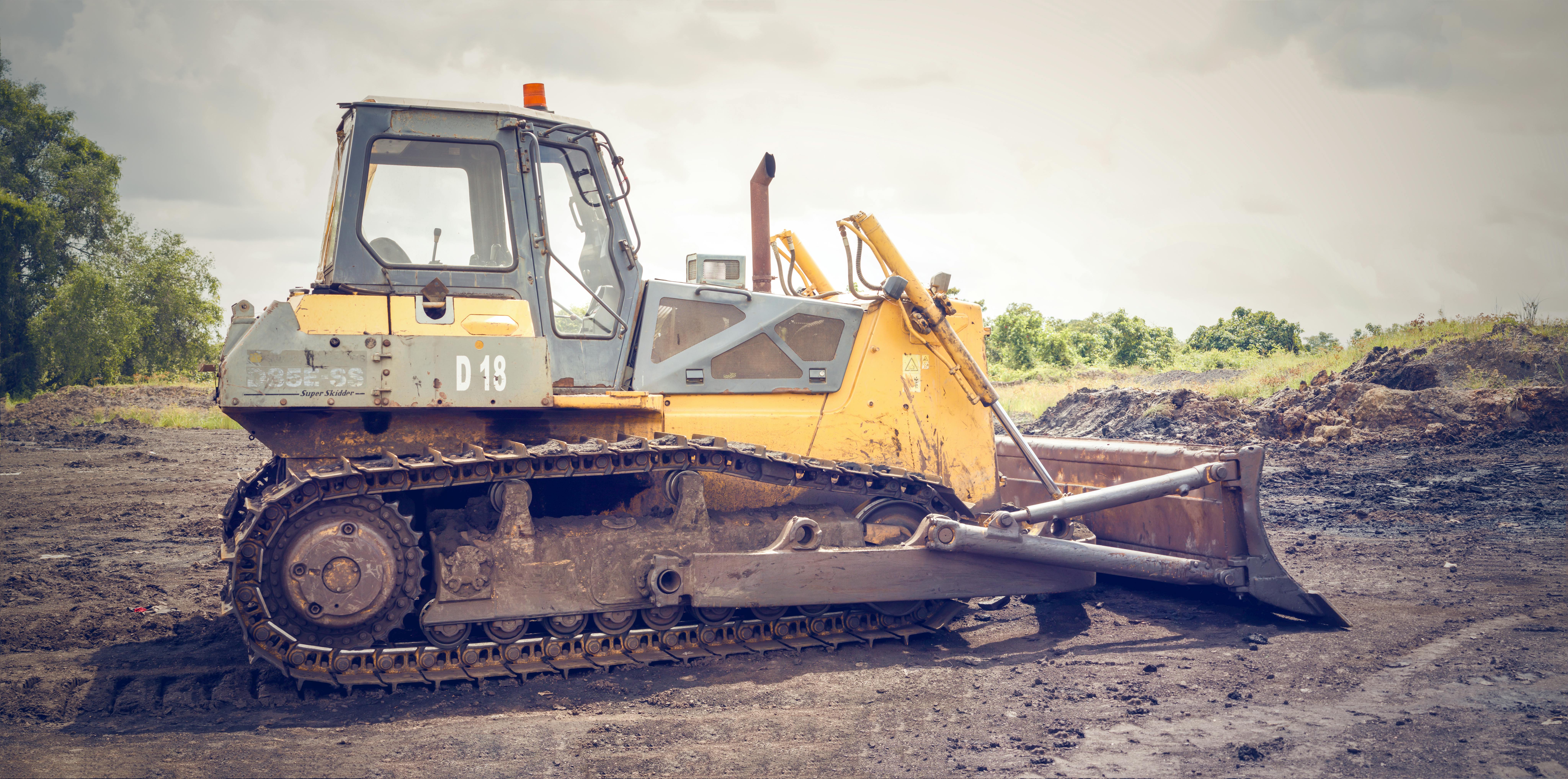
When embarking on projects that involve challenging terrains, particularly those with waterlogged environments, the need for specialized equipment becomes paramount. An amphibious excavator stands out as a pivotal tool for such tasks. These machines are engineered to operate efficiently in marshy and swamp-like conditions, offering unmatched versatility and capability. However, the decision to rent an amphibious excavator requires careful consideration of several factors to ensure the equipment meets project requirements and budget constraints.
Understanding the Amphibious Excavator
An amphibious excavator is designed to operate in environments that are not easily accessible by standard excavators. They are equipped with pontoons that allow them to float on water, making them ideal for dredging, swamp reclamation, and other tasks in watery terrains.
Key Features and Advantages
- Buoyant Pontoons: These allow the excavator to float, providing stability in waterlogged environments.
- Extended Reach: The long arm of the excavator enables it to perform tasks at significant depths.
- Versatility: From dredging to wetland restoration, amphibious excavators are suited for a variety of tasks.
- Enhanced Stability: The design ensures minimal ground disturbance, preserving sensitive ecosystems.
Considerations for Renting
Before deciding to rent an amphibious excavator, several factors need to be evaluated to maximize efficiency and cost-effectiveness. These considerations include project specifics, equipment specifications, and rental terms.
Project Requirements
- Terrain Type: Assess whether the terrain justifies the use of an amphibious excavator.
- Project Duration: Longer projects may benefit more from rental agreements that offer flexibility.
- Task Complexity: Determine if the task requires specialized attachments or capabilities.
Equipment Specifications
Understanding the technical specifications of the amphibious excavator is crucial. This includes:
- Load Capacity: Ensure the excavator can handle the weight and scope of the materials.
- Arm Length: The reach should align with the project?s depth requirements.
- Engine Power: Adequate power is necessary for continuous operation in challenging conditions.
Rental Terms and Conditions
Reviewing rental agreements is essential to avoid unexpected costs and ensure a smooth rental experience:
- Duration and Flexibility: Confirm the rental period and options for extension.
- Maintenance and Support: Clarify who is responsible for maintenance and the availability of technical support.
- Insurance: Ensure the equipment is insured to cover potential damages or liabilities.
Finding the Right Rental Service
Choosing the right rental service can significantly impact the efficiency and success of your project. It is beneficial to work with a provider that offers tailored solutions and expert advice. Find out more about this approach with service providers who understand the intricacies of amphibious equipment.
Factors to Consider
- Reputation and Experience: Opt for providers with a proven track record in renting amphibious equipment.
- Range of Equipment: A diverse inventory ensures that the most suitable equipment is available for your needs.
- Customer Support: Reliable support can address any operational issues swiftly, minimizing downtime.
For those looking to delve deeper into the specifics of renting and operating an amphibious excavator, explore advanced guides and tips that offer comprehensive insights into optimizing the use of such equipment in various projects.
Conclusion
Renting an amphibious excavator can be a game-changer for projects involving challenging terrains and waterlogged environments. By understanding the key features, evaluating project requirements, and choosing the right rental service, project managers can ensure that the equipment meets their specific needs effectively. Discover expert strategies here for leveraging amphibious excavators to enhance project outcomes and operational efficiency.