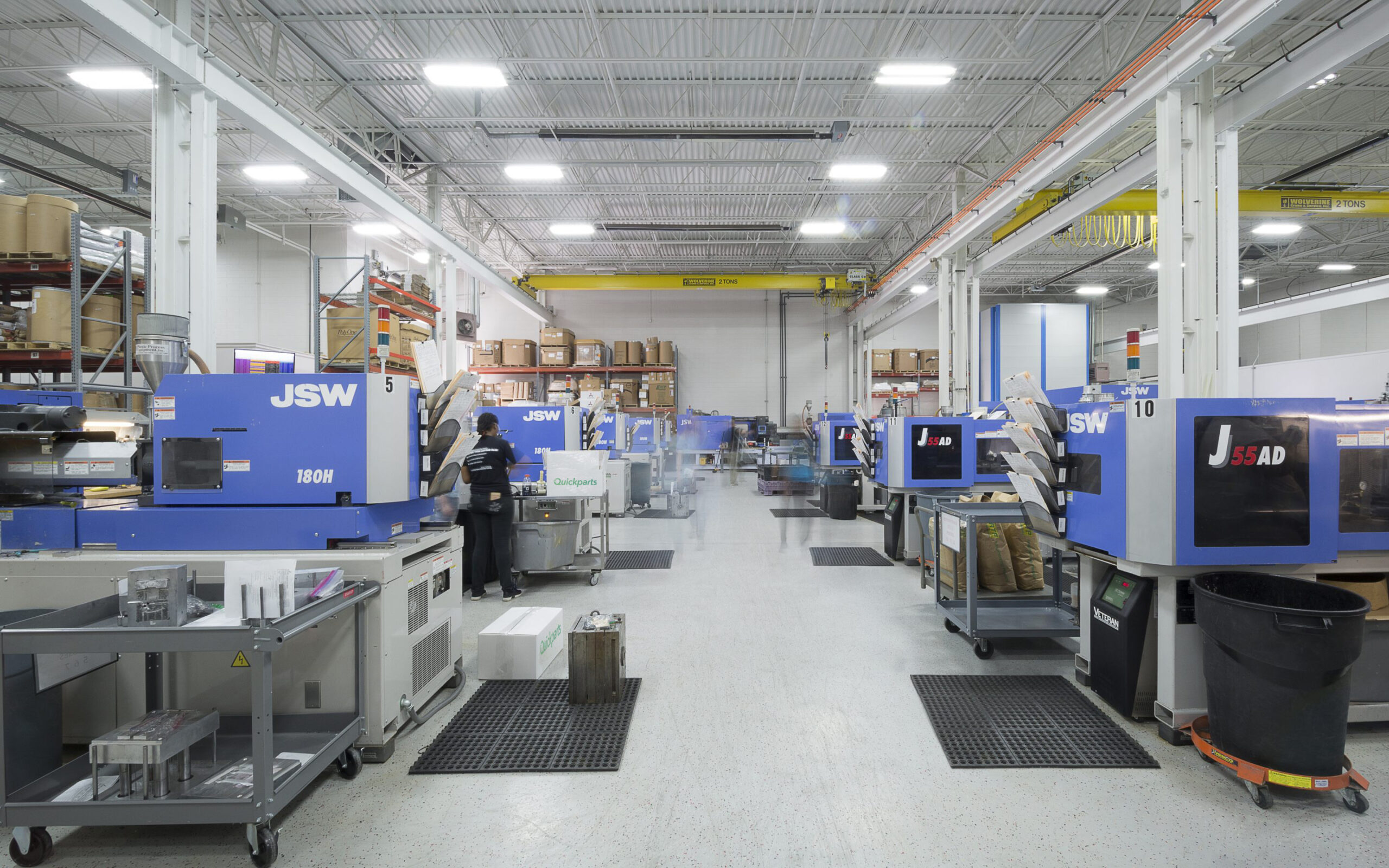
Plastic injection molding has become an essential process in manufacturing, offering a reliable and efficient method for producing a wide variety of products. The technique involves injecting molten plastic into a mold, where it cools and solidifies into the desired shape. This method is widely used in various industries due to its capacity to produce high-quality parts with tight tolerances, speed, and cost-effectiveness. The key to maximizing efficiency in plastic injection molding lies in understanding and optimizing every stage of the process.
Understanding the Basics of Plastic Injection Molding
The plastic injection molding process consists of four main stages: clamping, injection, cooling, and ejection. Each step is crucial in ensuring the efficient and successful production of parts.
- Clamping: The mold is clamped shut before the injection of the plastic. This step is vital to prevent any leakage of the molten material.
- Injection: The molten plastic is injected into the mold cavity under high pressure.
- Cooling: Once the mold is filled, the plastic is allowed to cool and solidify.
- Ejection: After the part has cooled, it is ejected from the mold, ready for any necessary post-processing.
To delve deeper into each step, you can find additional information here.
Factors Influencing Efficiency
Material Selection
The choice of material significantly impacts the efficiency of plastic injection molding. Materials must be compatible with the mold and should have properties that align with the requirements of the final product. Considerations include:
- Melting temperature
- Flow characteristics
- Cooling time
For a comprehensive list of suitable materials, explore further insights here.
Mold Design
Designing the mold is a critical step that affects both production speed and quality. Key considerations include:
- Mold complexity and number of cavities
- Cooling system design
- Material flow within the mold
Effective mold design can reduce cycle times and improve part quality. Learn more in this detailed guide.
Optimizing Production Processes
Cycle Time Reduction
Reducing cycle time without compromising quality is a primary goal in injection molding. This can be achieved through:
- Optimizing the cooling time
- Using advanced materials with quicker solidification rates
- Implementing automated ejection systems
Quality Control and Maintenance
Maintaining high standards of quality and regular maintenance schedules for machinery are essential to efficiency. Steps include:
- Regular inspections of molds and equipment
- Implementing real-time quality monitoring systems
- Training personnel for quick identification and resolution of issues
For further strategies on optimizing production, read more about this topic.
Conclusion
Maximizing efficiency in plastic injection molding requires a comprehensive approach that encompasses material selection, mold design, process optimization, and quality control. By focusing on these areas, manufacturers can enhance productivity, reduce costs, and maintain high-quality standards in their production lines. To continue exploring methods for improving efficiency in injection molding, discover more here.