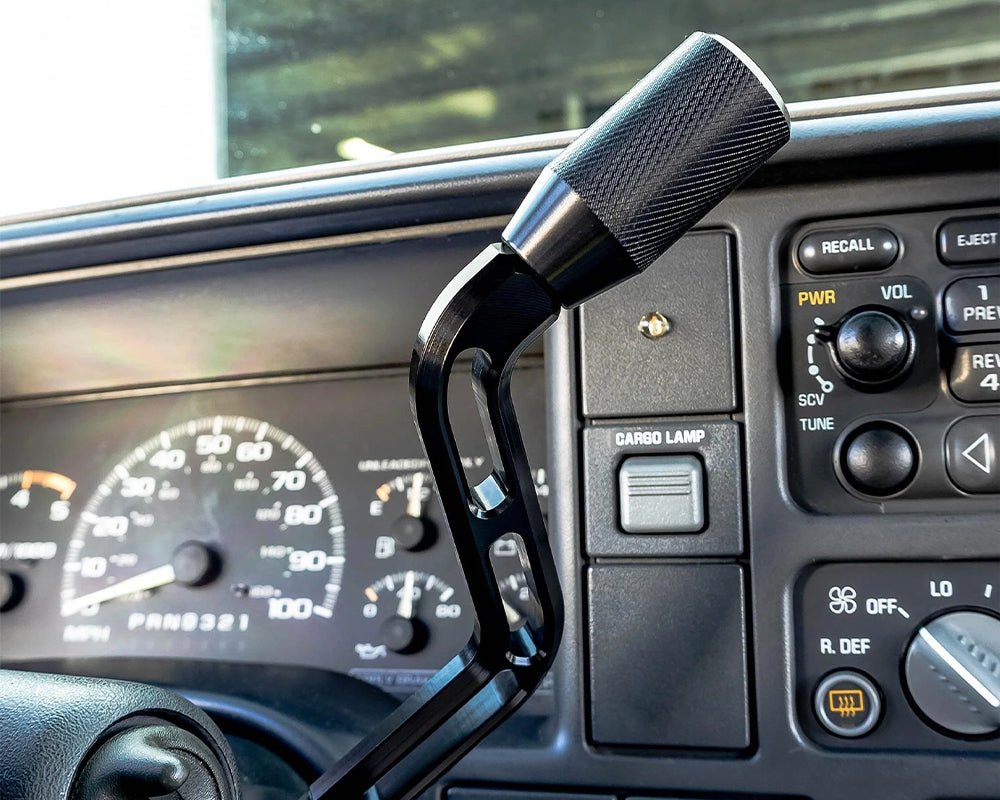
Billet shift levers are a staple in the realm of automotive customization and performance enhancement. Known for their robust construction and sleek design, these components are favored by enthusiasts seeking both aesthetic appeal and reliable performance. But what truly sets billet shift levers apart is their durability. This article delves into the factors contributing to the longevity of billet shift levers and what makes them a preferred choice among car aficionados.
Understanding Billet Manufacturing
The term “billet” refers to a specific manufacturing process where a solid block of material, typically aluminum or steel, is meticulously machined to create a component. This process is crucial for ensuring the strength and durability of parts like shift levers.
Key Benefits of Billet Construction
- Strength and Resistance: Components made from billet are renowned for their structural integrity, offering superior strength compared to cast or molded parts.
- Precision Engineering: The machining process allows for precise dimensions and tight tolerances, ensuring a perfect fit and smooth operation.
- Enhanced Durability: The dense material structure imparts excellent wear resistance, extending the lifespan of the component.
For those exploring the options for enhancing their vehicle’s performance, a billet shift lever? is often recommended due to these advantages.
Factors Contributing to Durability
Several factors play a role in the durability of billet shift levers, making them a reliable choice for long-term use.
Material Quality
The quality of the material used in billet shift levers is paramount. High-grade aluminum or steel enhances the lever’s ability to withstand stress and environmental factors such as corrosion and temperature fluctuations.
Machining Precision
Precision machining ensures that each component is crafted to exact specifications. This precision reduces the likelihood of defects and enhances the lever’s performance under various driving conditions.
Surface Finish
Billet shift levers often feature anodized or polished finishes, which serve not only an aesthetic purpose but also protect the metal from corrosion and wear. This adds another layer of durability, maintaining the lever’s appearance and functionality over time.
Comparative Advantage Over Other Materials
When comparing billet shift levers to those made from other materials, the advantages are clear:
- Cast Components: While more economical, cast parts lack the density and strength of billet, making them more susceptible to cracks and failure under stress.
- Molded Plastics: Although lightweight, plastic levers cannot match the durability and heat resistance of metal, limiting their use in high-performance applications.
Applications and Suitability
Billet shift levers are ideal for a wide range of vehicles, from everyday cars to high-performance sports cars and off-road vehicles. Their ability to endure intense conditions makes them a versatile option for drivers who demand reliability and performance.
Considerations for Installation
- Compatibility: Ensure that the billet shift lever is compatible with the vehicle’s make and model.
- Professional Installation: While some may opt for DIY installation, professional installation is recommended to guarantee optimal performance and alignment.
Conclusion
The durability of billet shift levers makes them a standout choice in the automotive world. Through quality materials, precise machining, and superior finishing, these components offer unmatched performance and reliability. For those seeking a blend of aesthetic appeal and robust engineering, billet shift levers are a worthy investment. Whether for a billet shift lever? or another custom component, the investment in billet manufacturing often pays dividends in longevity and performance.