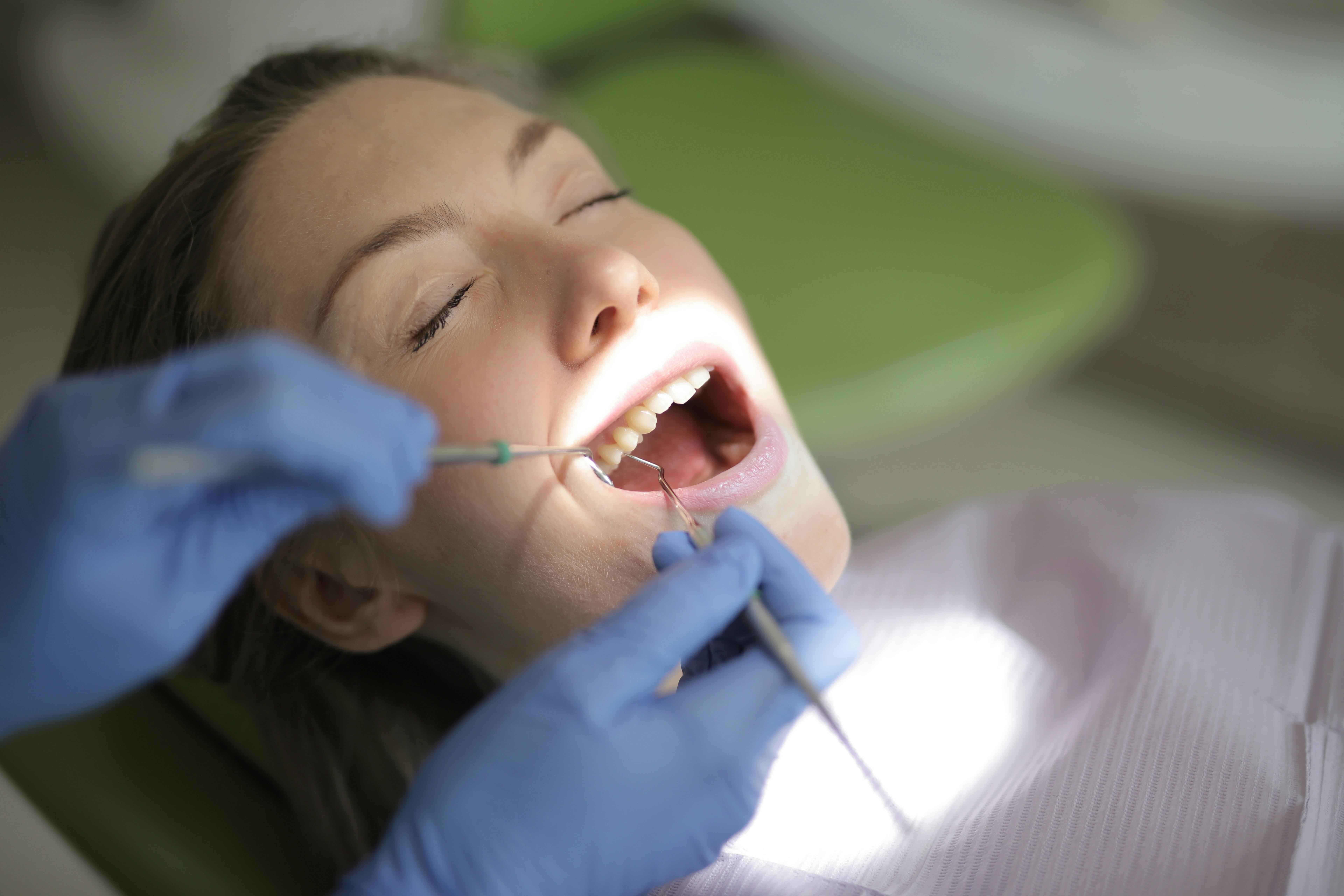
Periodontal disease, commonly known as gum disease, is a serious condition that affects the gums and bones supporting the teeth. It is an inflammatory disease primarily caused by bacterial infections. Left untreated, periodontal disease can lead to tooth loss and has been associated with other health conditions such as diabetes and heart disease. Understanding the complexities of periodontal disease and the importance of comprehensive dental care is crucial for maintaining optimal oral health.
The Basics of Periodontal Disease
Periodontal disease is categorized into two main stages: gingivitis and periodontitis. Gingivitis is the initial stage and is characterized by red, swollen gums that may bleed easily. At this point, the damage is still reversible with proper dental care. However, if ignored, it can progress to periodontitis, where the inner layer of the gum and bone pull away from the teeth, forming pockets that can become infected. As the disease advances, the pockets deepen, and more gum tissue and bone are destroyed.
Common Symptoms
Recognizing the signs of periodontal disease early can prevent severe damage. Common symptoms include:
- Swollen, red, or tender gums
- Gums that bleed easily during brushing or flossing
- Persistent bad breath or bad taste in the mouth
- Receding gums or longer-appearing teeth
- Loose or shifting teeth
- Changes in the way your teeth fit together when biting
If any of these symptoms are noticed, it is essential to consult a dental professional promptly. Discover expert strategies here for dealing with these symptoms effectively.
Effective Dental Care Practices
Preventing periodontal disease involves a combination of professional care and diligent personal oral hygiene practices. Here are some recommended practices:
- Brush your teeth at least twice a day with fluoride toothpaste.
- Floss daily to remove plaque from between the teeth and under the gum line.
- Use an antimicrobial mouthwash to reduce bacteria in the mouth.
- Schedule regular dental check-ups and cleanings to remove tartar and plaque buildup.
- Avoid tobacco use, as it can exacerbate periodontal problems.
These practices not only help in preventing periodontal disease but also contribute to overall dental health. Learn about our tailored solutions for maintaining good oral hygiene.
Advanced Treatment Options
In cases where periodontal disease has progressed, more advanced treatments may be necessary. These can include:
Non-Surgical Treatments
For less severe cases, scaling and root planing is a common non-surgical treatment. This deep-cleaning procedure removes plaque and tartar from below the gum line and smooths the root surfaces to promote healing. Antibiotics may also be prescribed to help control bacterial infection.
Surgical Treatments
In more advanced cases, surgical treatments might be required. These include flap surgery, bone grafts, and tissue regeneration. Such procedures aim to restore supportive tissues and bone. Explore advanced guides and tips for understanding these treatment options better.
The Link Between Periodontal Disease and Overall Health
Research has shown a significant connection between periodontal disease and systemic health issues, including cardiovascular disease, respiratory infections, and complications in pregnancy. This underscores the importance of early detection and management of periodontal conditions. Taking proactive steps can not only save teeth but also improve overall health. Find out more about this approach to your health.
Conclusion
Addressing periodontal disease requires a comprehensive approach that combines professional dental care with effective personal oral hygiene. By understanding the symptoms, preventive measures, and treatment options available, individuals can significantly reduce their risk of developing severe periodontal issues. Remember, early intervention is key to maintaining both oral and overall health. For more detailed information and professional advice, explore advanced guides and tips available from trusted sources.