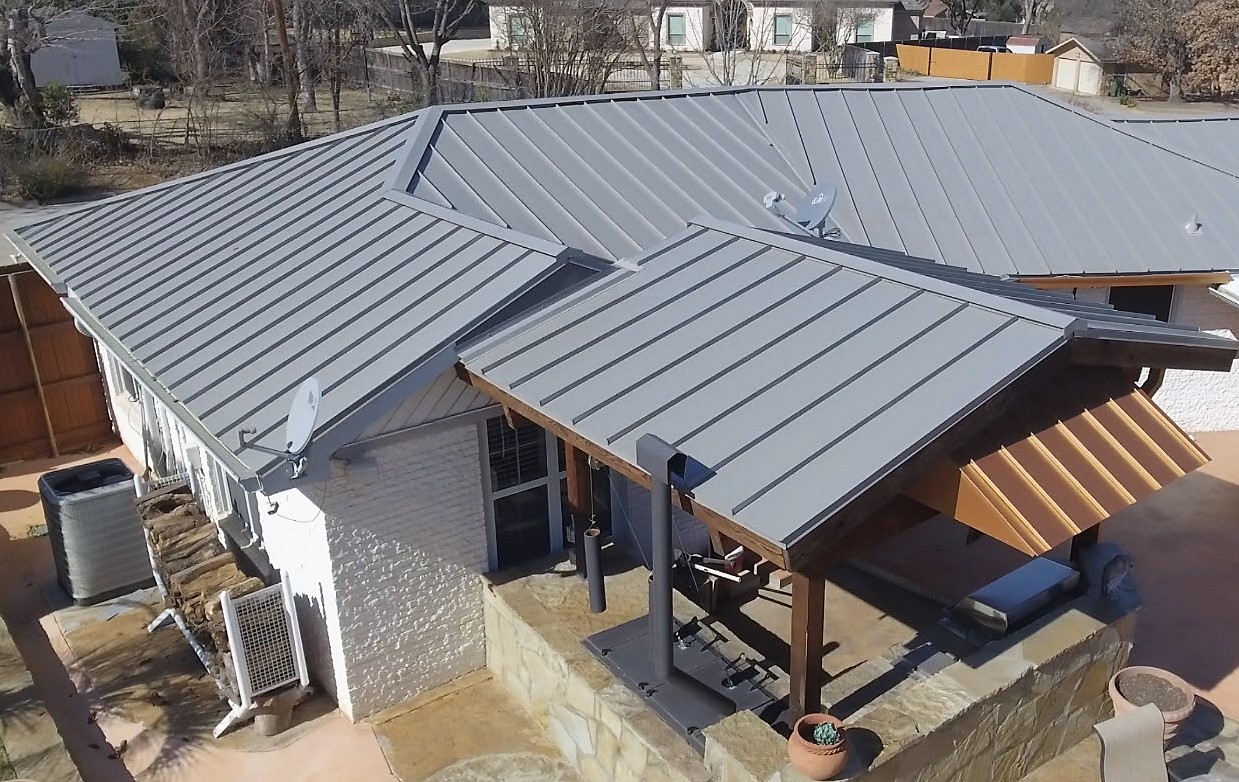
When considering a new roof for a commercial property, metal roofing is a popular choice for its durability, energy efficiency, and aesthetic appeal. However, one of the primary considerations for business owners and developers is the cost involved in installing a commercial metal roof. Understanding the various factors that affect pricing can help in making an informed decision that balances quality and budget. This article delves into the components that influence the cost of commercial metal roofing installation and provides insights on optimizing value.
Factors Influencing Metal Roofing Costs
Several elements contribute to the total cost of metal roofing installation for commercial properties. Understanding these can help businesses allocate their budget effectively:
- Material Type: Different metals, such as steel, aluminum, copper, and zinc, come with varying price tags. Each offers distinct advantages, but the choice primarily depends on specific needs and local climate conditions.
- Roof Design: The complexity of the roof design, including its shape and pitch, can significantly impact labor costs. More intricate designs may require specialized skills and longer installation times.
- Size of the Roof: Naturally, larger roofs require more materials and labor, increasing the overall cost.
- Insulation and Underlayment: Proper insulation and quality underlayment are crucial for energy efficiency and protection against moisture, adding to the installation expenses.
- Local Labor Rates: Installation costs can vary based on the region and its prevailing labor rates. Engaging with local experts can provide a more accurate estimate tailored to the area. Learn about our tailored solutions.
Cost Estimation and Budgeting
Estimating the cost of a commercial metal roof requires detailed planning and consultation with professionals. Here?s how to approach budgeting efficiently:
1. Initial Assessment
Start with a comprehensive assessment of the property and its specific roofing needs. This step may involve:
- Measuring the roof size accurately.
- Identifying potential challenges, such as roof access and structural reinforcements.
- Consulting with roofing specialists to understand material and design options.
During this phase, businesses can discover expert strategies here to align their project with industry standards and optimize costs.
2. Comparing Material and Installation Options
After the initial assessment, comparing different materials and installation techniques is crucial. Consider the following:
- Long-term benefits versus initial investment for each material type.
- Potential for energy savings and tax incentives associated with certain materials.
- Warranty options and their impact on overall value.
By evaluating these aspects, businesses can explore advanced guides and tips for making informed decisions.
3. Requesting Detailed Quotes
Obtaining quotes from multiple contractors ensures competitive pricing. Make sure the quotes include:
- A breakdown of material costs.
- Labor charges and timelines.
- Additional services such as post-installation inspections and maintenance plans.
With a clearer view of the market, property managers can find out more about this approach to secure the best deal for their roofing project.
Conclusion
Installing a metal roof on a commercial property is a significant investment that can offer substantial returns in terms of durability and energy efficiency. By understanding the factors influencing costs and following a structured budgeting process, businesses can ensure that they receive the best value for their investment. Aligning with industry experts and leveraging detailed guides can further enhance project outcomes and long-term satisfaction.