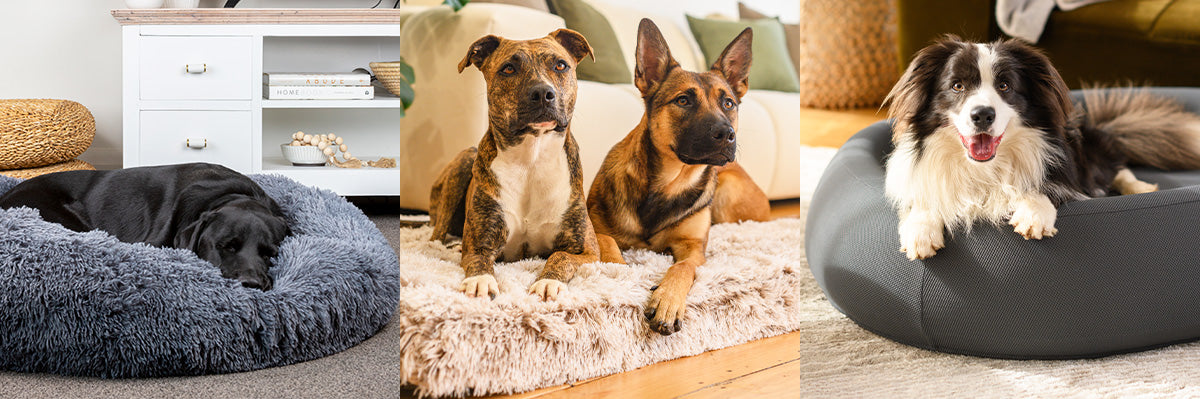
For many pet owners, providing their dog with a comfortable place to rest is a top priority. A memory foam dog bed can offer the ultimate comfort by contouring to the dog’s body, providing support, and improving sleep quality. With a variety of options available, selecting the right memory foam dog bed can be a daunting task. This guide will walk you through the important considerations to ensure you choose the best bed for your furry friend.
Understanding Memory Foam
Memory foam is a material originally developed by NASA to improve the safety of aircraft cushions. It is now widely used in mattresses and cushions for its ability to conform to the shape of a body, providing customized support and comfort. When choosing a memory foam dog bed, it is crucial to understand the benefits and features that make this material an excellent choice for your pet’s sleeping arrangement.
Benefits of Memory Foam Dog Beds
Memory foam dog beds offer several advantages:
- Orthopedic Support: Ideal for older dogs or those with joint issues, as the foam relieves pressure points.
- Durability: High-density memory foam tends to hold its shape longer than traditional stuffing materials.
- Easy Maintenance: Many memory foam beds come with removable, washable covers for easy cleaning.
- Temperature Sensitivity: The foam adjusts to body heat, maintaining comfort in various climates.
Explore further insights here to understand more about these benefits.
Choosing the Right Memory Foam Dog Bed
When selecting a memory foam dog bed, consider the following factors to ensure the best fit for your pet:
Size and Shape
Choose a bed that accommodates your dog’s size and sleeping style. A bed that?s too small can be uncomfortable, while one that?s too large may not provide adequate support. Consider how your dog typically sleeps?curled up, sprawled out, or leaning against something?and choose a shape that complements their preferred position.
Foam Density and Thickness
The density and thickness of the foam determine the level of support provided. Higher density foam offers better support and durability, which is particularly important for larger breeds or dogs with arthritis. Look for a foam thickness that is appropriate for your dog?s weight and health needs.
Read more about this topic here.
Cover Material
The cover material should be durable and easy to clean. Look for covers that are machine washable and made from materials like microfiber or canvas that resist wear and tear. Waterproof covers or liners can also protect the foam from accidents and spills.
Budget Considerations
Memory foam beds can vary significantly in price. While it may be tempting to opt for the cheapest option, investing in a slightly more expensive, high-quality bed can save money in the long run due to its durability and support. Set a budget but focus on quality features that meet your pet?s needs.
Find additional information here to guide your budget decisions.
Additional Features to Consider
Several additional features can enhance the comfort and utility of a memory foam dog bed:
- Non-slip Bottoms: Prevents the bed from sliding on hard floors.
- Bolsters or Sides: Provides added support and a sense of security for dogs that like to lean against something.
- Cooling Gel Layers: Helps regulate temperature for breeds that overheat easily.
Learn more in this detailed guide here.
Conclusion
Choosing the right memory foam dog bed requires careful consideration of your dog?s specific needs and preferences. By focusing on key factors such as size, foam density, cover material, and additional features, you can ensure that your pet enjoys a comfortable and supportive resting place. With the right bed, your dog will benefit from improved sleep quality and overall well-being. For further insights and guidance, explore further insights here.