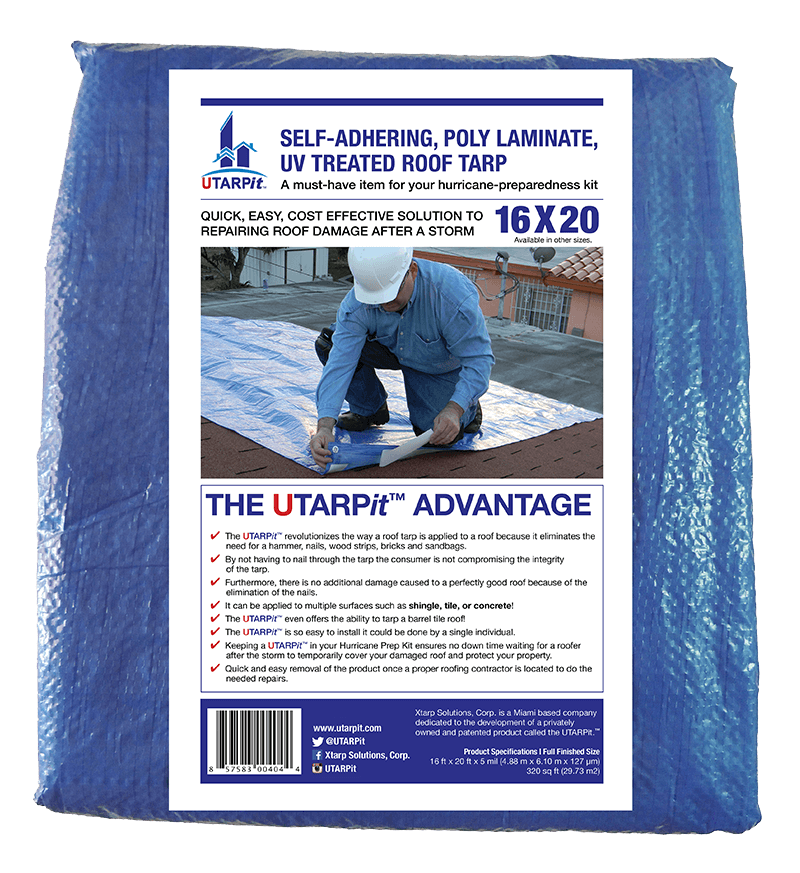
In the realm of home maintenance, roofs are pivotal in protecting the structural integrity of a building. Over time, various factors such as weather conditions, aging materials, and unforeseen damages can compromise a roof’s durability. Implementing preventive measures is crucial to curtailing further damage and prolonging the lifespan of a roof. One such effective measure is the use of long-term tarp solutions. With the right approach and materials, tarps can serve as a temporary yet robust solution, ensuring your roof remains protected until more permanent repairs can be made.
Understanding the Benefits of Roof Tarps
Roof tarps are not merely quick fixes; they offer several advantages that make them a viable option for many homeowners. Whether it’s post-storm damage or a leaky roof that needs immediate attention, tarps provide:
- Immediate Protection: Tarps act as a barrier against rain, wind, and debris, minimizing the risk of further damage.
- Cost-Effective Solution: Compared to full roof repairs or replacements, tarps are a budget-friendly option that can extend the life of a roof temporarily.
- Easy Installation: With minimal effort and tools, tarps can be installed quickly, making them ideal for urgent situations.
Choosing the Right Tarp for Your Roof
To ensure the effectiveness and longevity of a tarp solution, selecting the right type of tarp is crucial. Here are some factors to consider:
Material
The material of the tarp directly impacts its durability and performance. Heavy-duty polyethylene tarps are often recommended for their resistance to water and UV rays, providing extensive protection over time.
Size
Accurate measurement is key. The tarp should cover the damaged area adequately, extending several feet beyond to ensure comprehensive coverage and secure attachment.
Features
Look for tarps with reinforced edges and grommets, which facilitate secure fastening and reduce the risk of the tarp being blown away by strong winds.
For more detailed guidance on selecting a long-term roof tarp, consider consulting experts who can provide tailored solutions that meet specific roofing needs.
Installation Tips for Maximum Efficiency
Effective installation is paramount to maximizing the benefits of a roof tarp. Consider these pointers:
- Safety First: Ensure all safety measures are in place, such as sturdy ladders and protective gear, to prevent accidents during installation.
- Proper Anchoring: Utilize anchors such as nails or screws with washers to fasten the tarp securely, preventing it from coming loose during adverse weather.
- Prevent Water Pooling: Arrange the tarp at an angle to facilitate water runoff, reducing the risk of water pooling and subsequent roof damage.
Maintenance and Monitoring for Longevity
To extend the life span of a tarp and, ultimately, the roof, regular maintenance is essential. Regularly inspect the tarp for any signs of wear or damage, such as tears or loose anchors, and address them promptly. Additionally, ensure that debris such as leaves or branches do not accumulate on top of the tarp, as this can add unnecessary weight and stress.
In conclusion, while roof tarps are not a substitute for permanent repairs, they provide a practical and effective solution for protecting a roof from further damage. By choosing the right tarp, installing it properly, and maintaining it diligently, homeowners can safeguard their investments and ensure the continued protection of their homes. For those interested in exploring more about long-term roof tarp solutions, further information and guides are readily available from professional sources.