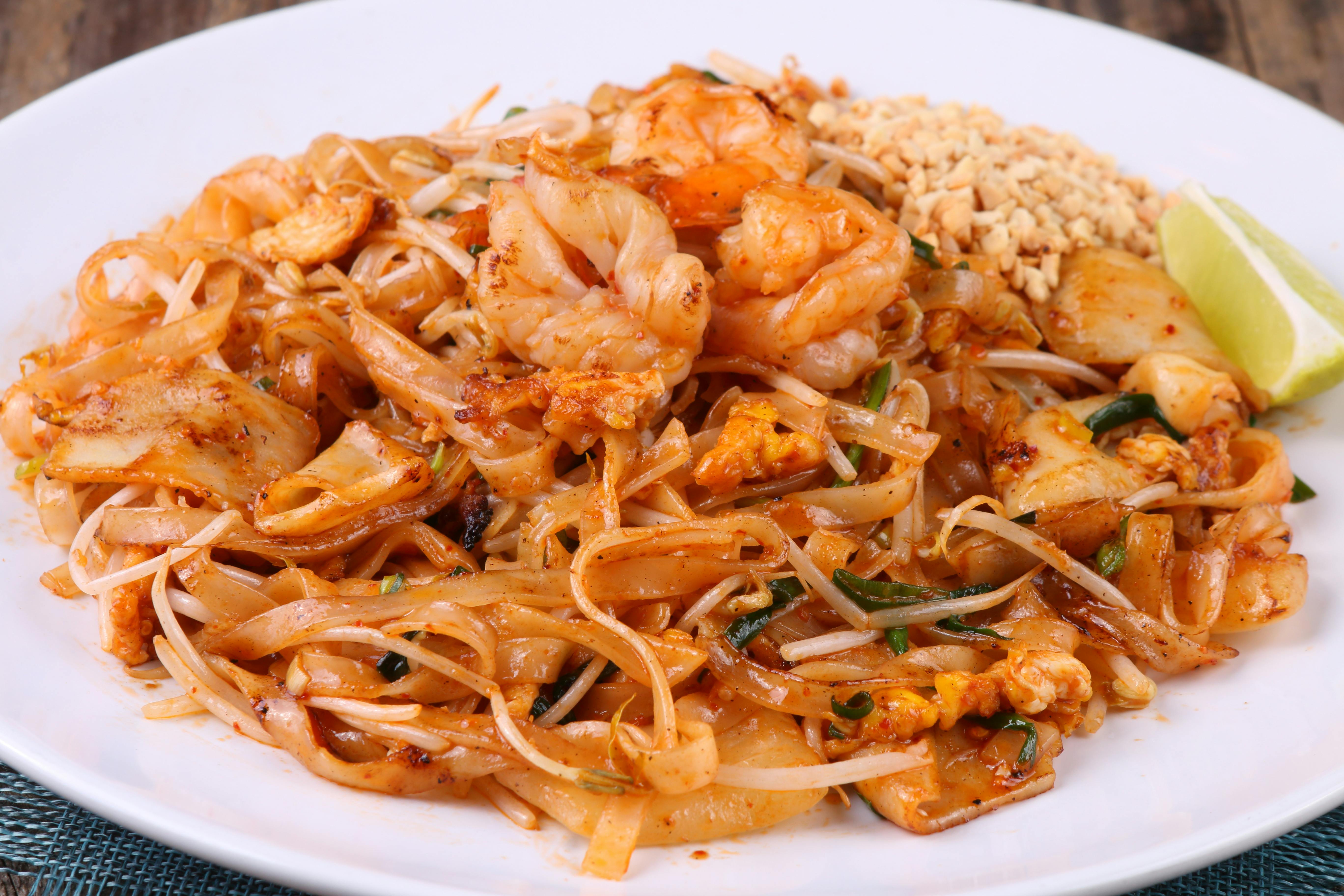
Traditional Thai cuisine is renowned worldwide for its harmony of flavors, colorful presentation, and use of fresh ingredients. Rooted in centuries-old culinary traditions, it offers a unique dining experience that tantalizes the taste buds. Rich in history and culture, Thai food is characterized by its balance of five fundamental taste senses: spicy, sour, sweet, salty, and bitter. This intricate balance is what makes Thai cuisine both an art and a science. From bustling street stalls to elegant dining establishments, every dish tells a story of Thailand’s rich cultural tapestry. This exploration aims to delve into the authentic flavors and timeless recipes that define traditional Thai cuisine.
The Essence of Thai Flavors
At the heart of traditional thai cuisine lies a blend of flavors that are both bold and subtle, yet in perfect harmony. Each ingredient is selected not just for its taste, but for its role in the overall balance of the dish.
- Herbs and Spices: Lemongrass, galangal, and kaffir lime leaves are staples that infuse dishes with fragrant aromas.
- Heat: Chilies are a cornerstone of Thai cooking, providing the fiery kick that many dishes are known for.
- Sourness: Tamarind, lime, and vinegar are often used to add a tangy contrast.
- Sweetness: Palm sugar is commonly used to mellow out the spice and sourness.
- Saltiness: Fish sauce is a ubiquitous condiment, offering a salty depth to many dishes.
Timeless Thai Recipes
Delve into the array of dishes that make up a unique thai cuisine menu. These recipes have stood the test of time and continue to be beloved both in Thailand and globally.
Tom Yum Goong
This famous Thai soup is a perfect example of the balance of flavors. It combines shrimp with lemongrass, kaffir lime leaves, galangal, fresh lime juice, fish sauce, and crushed chili peppers. The result is a tangy and spicy soup that’s both invigorating and comforting.
Pad Thai
An iconic thai restaurant menu staple, Pad Thai is a stir-fried noodle dish commonly served as street food in Thailand. It features rice noodles, eggs, tofu or shrimp, peanuts, a tangy sauce, and is often garnished with lime wedges and fresh bean sprouts.
Green Curry
Known for its vivid green color and spicy flavor, green curry is made with a paste of green chilies, lemongrass, garlic, and other spices. It’s typically cooked with coconut milk and a choice of chicken, beef, or tofu, delivering a rich and creamy texture.
Influences and Regional Variations
Thai cuisine is not monolithic; it is a rich tapestry woven from various regional influences. From the fiery and pungent flavors of the Northeast to the coconut-rich curries of the South, each region offers its own twist on thai restaurant dishes.
- Central Thailand: Known for its sophisticated cuisine and the balance of flavors, often incorporating coconut milk and fresh herbs.
- Northern Thailand: Influenced by Burmese cuisine, it features milder dishes with a focus on sticky rice and sausages.
- Northeastern Thailand (Isaan): Celebrated for its spicy and sour salads, such as som tam (papaya salad).
- Southern Thailand: Offers dishes rich in spices and coconut, with influences from Malay and Indian cuisines.
Conclusion
Traditional Thai cuisine is a vibrant reflection of the country’s rich history and cultural diversity. Its authentic flavors and timeless recipes offer a culinary journey that is both an art form and a testament to Thailand’s complex and aromatic culinary landscape. Whether enjoyed at a local street vendor or a sophisticated restaurant, Thai food continues to captivate and delight the palates of food lovers around the world.