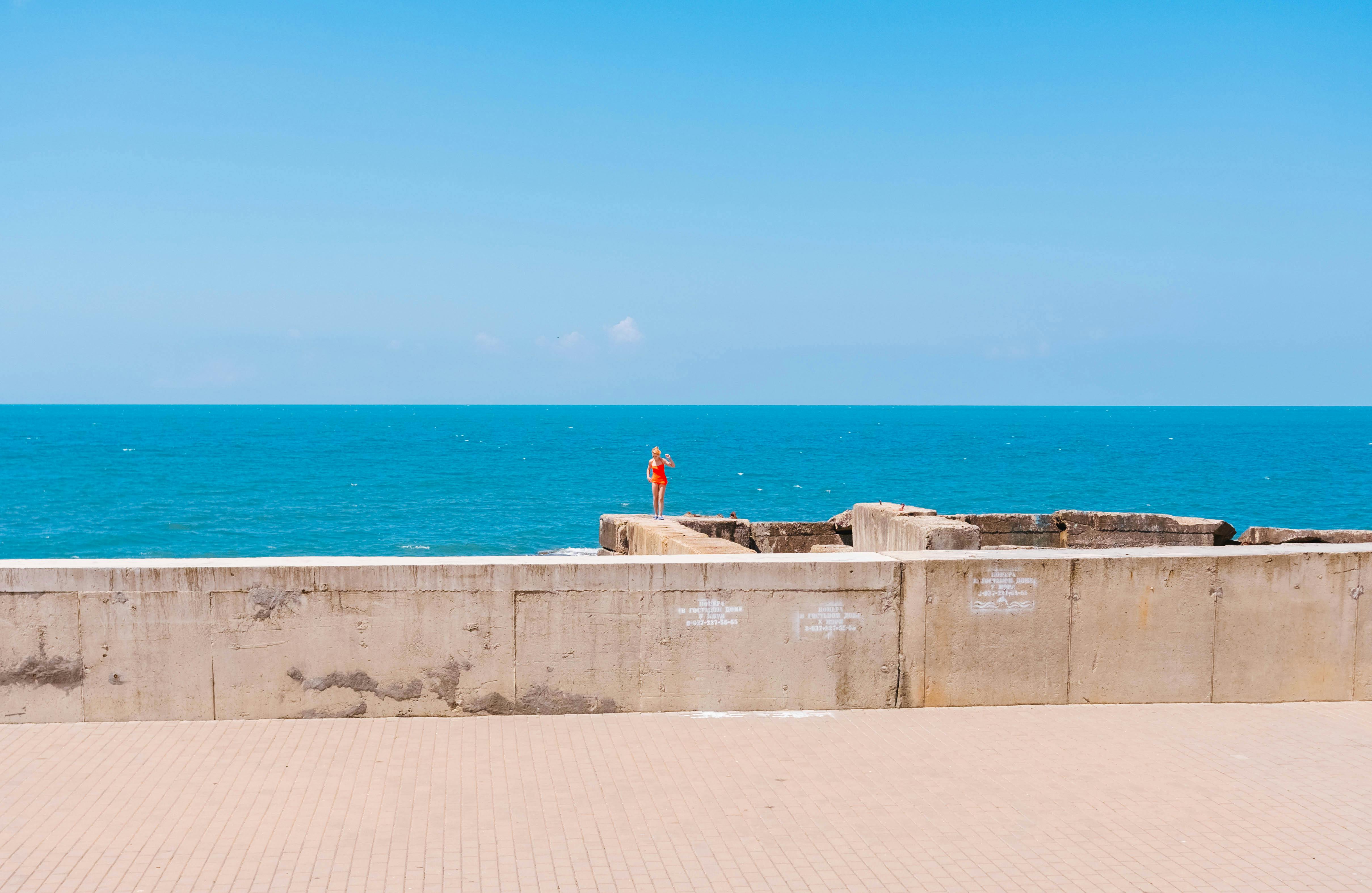
Seawall construction is a critical aspect of coastal property management, offering a robust solution to safeguard against erosion, flooding, and other environmental impacts. Understanding the intricacies of building a seawall can be daunting for property owners. This comprehensive guide offers expert advice and recommendations to help navigate the complexities of seawall construction, ensuring a durable and effective barrier against nature?s forces.
Why Consider Seawall Construction?
Seawalls are essential for coastal properties, providing protection and enhancing property value. Here are some key reasons to consider seawall construction:
- Protection against erosion and flooding.
- Stabilization of the shoreline.
- Increased property value and aesthetic appeal.
- Long-term cost savings by preventing property damage.
Types of Seawalls
Understanding the different types of seawalls is crucial when planning construction. Each type serves specific needs and comes with its own set of advantages:
Vertical Seawalls
- Ideal for areas with high wave energy.
- Efficiently reflects wave energy.
- Requires expert design to withstand constant wave impact.
Learn about our tailored solutions here.
Curved or Stepped Seawalls
- Designed to dissipate wave energy.
- Reduces wave overtopping and splashback.
- Offers aesthetic appeal with a more natural appearance.
Explore advanced guides and tips here.
Rubble Mound Seawalls
- Composed of loose stones or concrete blocks.
- Highly effective at absorbing wave energy.
- Suits locations with low to moderate wave activity.
Discover expert strategies here.
Critical Considerations for Seawall Construction
Before embarking on seawall construction, several factors need attention to ensure a successful project:
Site Assessment
Conducting a thorough site assessment is vital. Consider the following:
- Soil composition and stability.
- Wave climate and tidal patterns.
- Environmental regulations and permitting requirements.
Materials Selection
The choice of materials significantly impacts the seawall’s durability and effectiveness. Common materials include:
- Concrete: Offers strength and longevity.
- Steel: Provides flexibility and resistance to corrosion.
- Wood: Suitable for areas with lower wave activity but requires regular maintenance.
Find out more about this approach here.
Professional Expertise
Engaging with experienced contractors is crucial to ensure quality construction. Professional expertise can:
- Provide insights into local regulations and best practices.
- Ensure proper design and engineering.
- Help navigate the permitting process smoothly.
Maintenance and Inspection
Regular maintenance and inspection are key to prolonging the life of a seawall. Consider these maintenance tips:
- Conduct annual inspections to identify and repair damages early.
- Remove debris and vegetative growth that can weaken the structure.
- Check for signs of erosion behind the seawall and address promptly.
Learn about our tailored solutions here.
In conclusion, effective seawall construction requires careful planning, informed decision-making, and professional execution. With the right approach, property owners can ensure their investments are protected against the unpredictable forces of nature. For more detailed insights, discover expert strategies here.