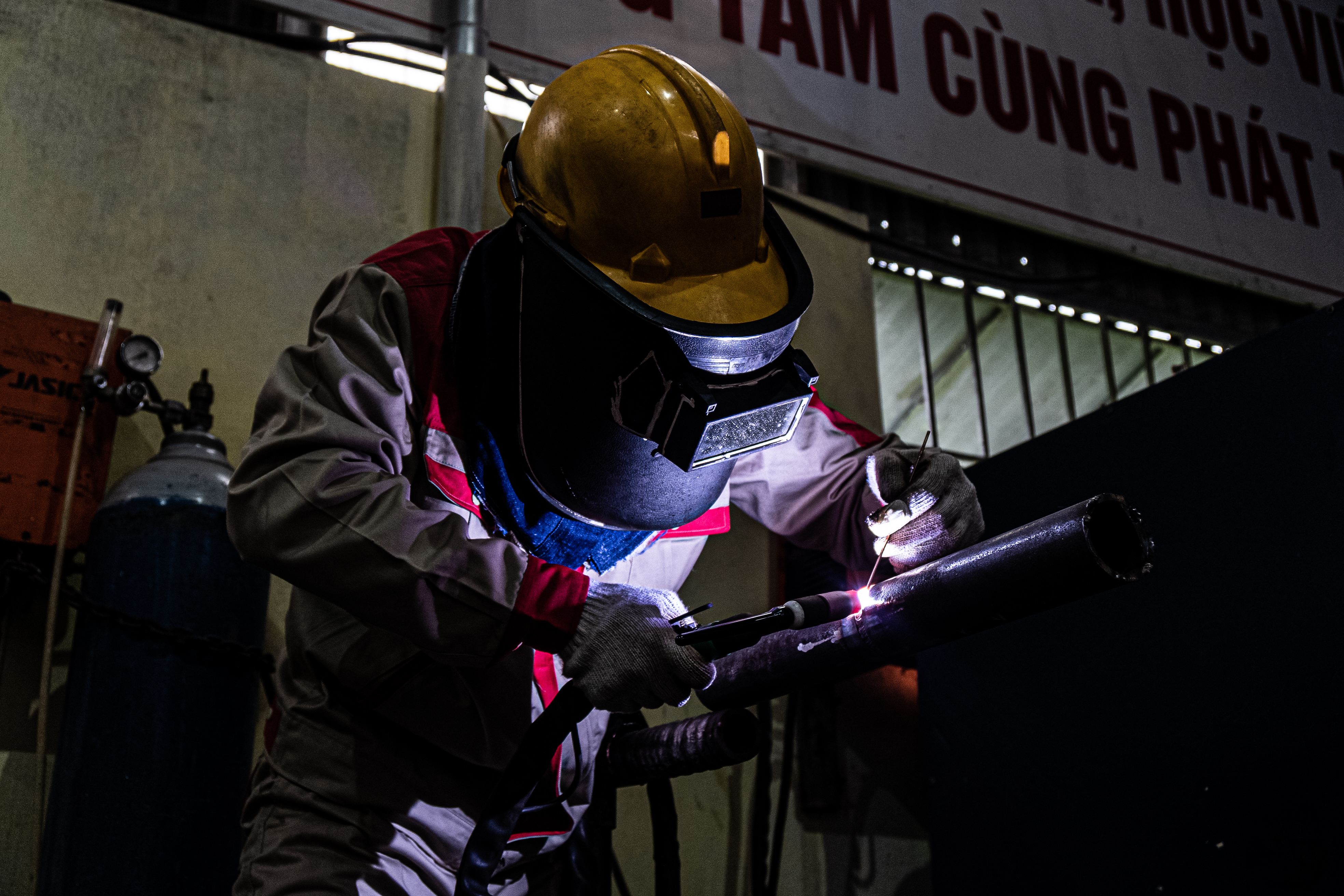
In today’s industrial and commercial environments, ensuring workplace safety is paramount. Among the myriad of safety concerns, electrical hazards remain a significant threat, particularly arc flash incidents. These events can cause severe injuries, equipment damage, and even fatalities. Conducting arc flash studies is a critical step in mitigating these risks and enhancing the safety of work environments. This article explores the importance of arc flash studies, their components, and their role in safeguarding personnel and property.
Understanding Arc Flash Studies
An arc flash study is an analysis conducted to evaluate the potential risks associated with electrical arc events in a workplace. The study aims to determine the incident energy levels and the required personal protective equipment (PPE) to minimize injuries. Key components of an arc flash study include:
- Data Collection: Gathering detailed information about the electrical system, including equipment ratings and configurations.
- System Modeling: Creating a comprehensive model of the electrical network to simulate potential arc flash incidents.
- Incident Energy Analysis: Calculating the incident energy levels at various points in the system to assess the severity of potential arc flash events.
- Protective Device Coordination: Ensuring that protective devices are set correctly to minimize the impact of an arc flash.
Read more about this topic to understand the full scope of arc flash studies and their implementation.
The Importance of Arc Flash Studies
Arc flash studies are crucial for several reasons:
- Safety Improvement: By identifying potential hazards, organizations can implement measures to protect employees, thereby reducing the likelihood of injury.
- Regulatory Compliance: Many safety standards and regulations mandate arc flash studies to ensure workplace safety and compliance with legal requirements.
- Cost Reduction: Preventing arc flash incidents can save organizations significant costs associated with medical expenses, equipment repair, and downtime.
Learn more in this detailed guide about how arc flash studies can benefit organizations across various industries.
Conducting an Effective Arc Flash Study
Steps to Consider
Conducting an arc flash study involves several critical steps:
- Engage qualified professionals with experience in electrical safety and arc flash analysis.
- Ensure thorough data collection to capture all relevant information about the electrical system.
- Utilize advanced software tools for accurate system modeling and incident energy calculations.
- Review and update the study periodically to reflect changes in the electrical system or industry standards.
Explore further insights here on how to effectively conduct arc flash studies and enhance workplace safety.
Implementing Safety Measures Post-Study
Once an arc flash study is completed, the next step is implementing the recommended safety measures. These measures may include:
- Provision of appropriate PPE based on incident energy levels.
- Installation and maintenance of protective devices such as circuit breakers and relays.
- Training employees on arc flash hazards and response protocols.
- Regular inspections and maintenance of electrical equipment to ensure ongoing safety.
Find additional information here on implementing effective safety measures following an arc flash study.