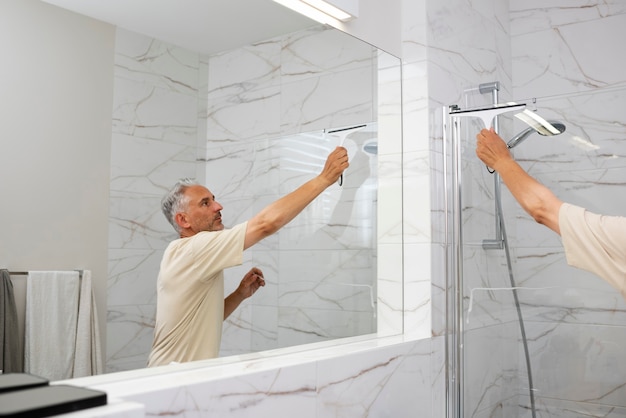
Transforming a bathtub into a shower can redefine the functionality and aesthetic appeal of a bathroom. Whether driven by a need for accessibility, space optimization, or a fresh design, a bathtub-to-shower conversion is a smart investment. This upgrade offers an opportunity to enhance the utility of the bathroom while modernizing its look. The following sections will delve into the benefits, considerations, and steps involved in this transformation, guiding homeowners through the process of making informed decisions.
Benefits of a Bathtub Conversion to Shower
Converting a bathtub into a shower presents multiple advantages, making it a preferred choice for many homeowners. Here are a few key benefits that highlight why this conversion can be beneficial:
- Space Optimization: Showers typically require less space than bathtubs, freeing up room for additional bathroom features or simply providing a more open feel.
- Enhanced Accessibility: Showers can be designed to be more accessible, catering to individuals with mobility issues. Options such as walk-in showers or those with low thresholds can be easily incorporated.
- Modern Aesthetic: A well-designed shower can give a bathroom a contemporary and sleek appearance, adding to the overall aesthetic value of the home.
- Water Efficiency: Showers generally use less water compared to baths, contributing to environmentally conscious living and potentially lowering utility bills.
Key Considerations Before Conversion
Before embarking on a bathtub-to-shower conversion, several factors should be taken into account to ensure the end result aligns with personal needs and preferences. It is essential to evaluate the following considerations:
Space and Layout
Assessing the available space and bathroom layout is fundamental. Consider whether the existing plumbing can accommodate the new shower design or if adjustments are necessary. For more detailed guidance, discover expert strategies here.
Design and Features
Determine the preferred style and features of the shower. Options range from simple, minimalistic designs to more elaborate setups with multiple showerheads and built-in seating. Choosing materials that complement the existing bathroom d?cor is also crucial. Learn about our tailored solutions to explore the variety of design elements available.
Budget and Timeline
Understanding the budget and timeline is critical. The cost of conversion can vary significantly based on the materials chosen, the complexity of the design, and labor costs. Establish a realistic budget and timeline to avoid unforeseen expenses and delays.
Step-by-Step Conversion Process
The conversion of a bathtub to a shower involves a series of steps, each integral to achieving a successful transformation. Here is a simplified breakdown of the process:
- Planning and Design: Begin with thorough planning, considering all design aspects and functional requirements.
- Demolition: Remove the existing bathtub, ensuring minimal damage to surrounding structures and plumbing.
- Plumbing Adjustments: Modify plumbing as needed to accommodate the new shower configuration.
- Installation: Install the shower base, walls, and fixtures, ensuring all components are securely and properly fitted.
- Finishing Touches: Apply finishing touches such as tiling, sealing, and adding any additional features like shelves or grab bars for safety and convenience.
For more in-depth insights into each step, explore advanced guides and tips to ensure a seamless transformation.
Conclusion
Converting a bathtub into a shower is a transformative project that offers numerous benefits, from enhanced accessibility to modern aesthetics. By carefully considering the space, design preferences, and budget, homeowners can achieve a bathroom that is both functional and visually appealing. For those interested in pursuing this upgrade, find out more about this approach to ensure a successful and satisfying renovation.