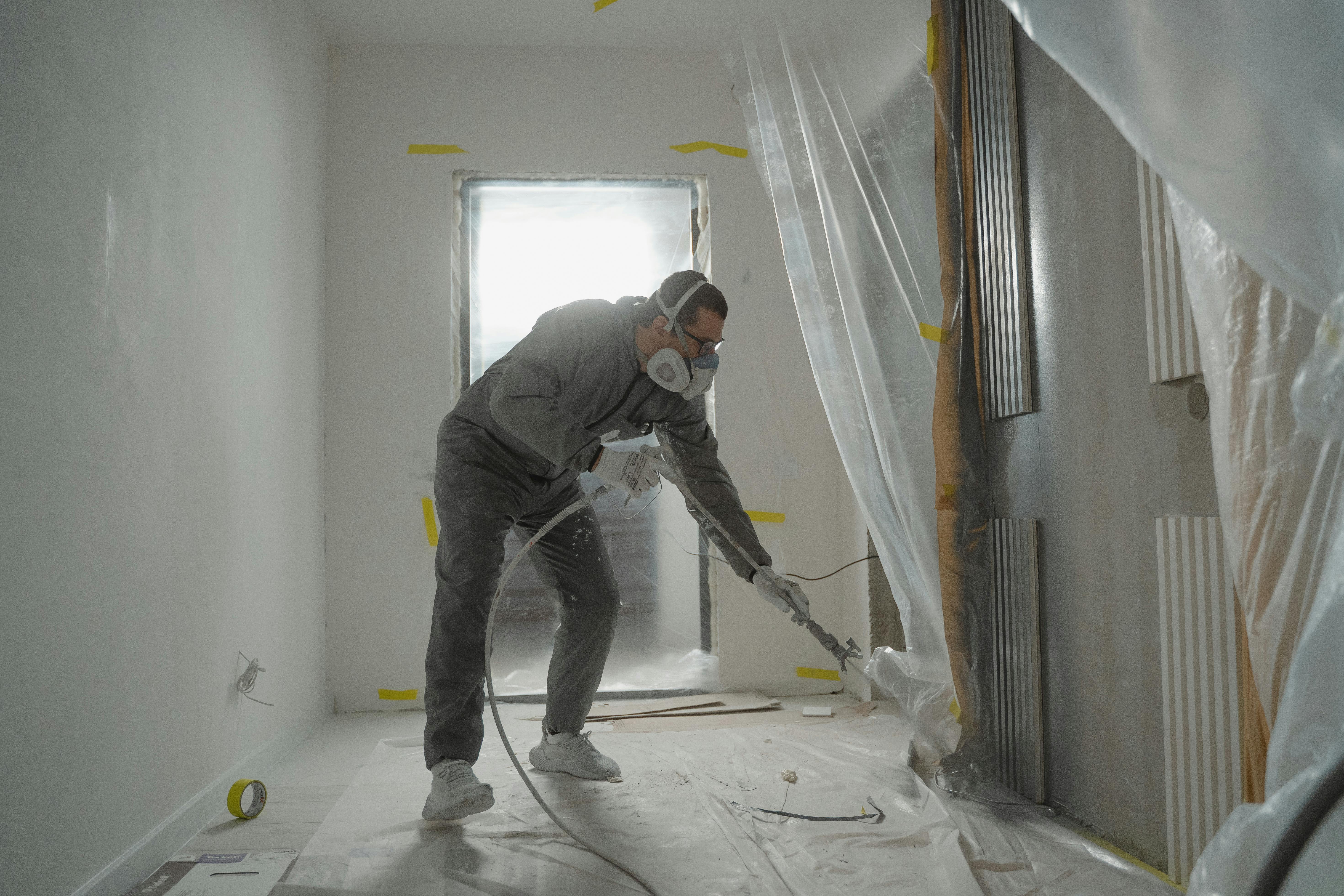
Lead paint, commonly used in homes and buildings until the late 1970s, poses significant health risks, particularly to children and pregnant women. As awareness of these dangers has grown, the need for professional lead paint removal services has become more crucial than ever. These services play a vital role in ensuring that living environments are safe and free from the toxic effects of lead. This comprehensive guide delves into the essential aspects of lead paint removal, from understanding the risks to choosing the right service provider.
Understanding the Risks of Lead Paint
Lead paint exposure can lead to severe health issues, including developmental delays in children, neurological damage, and various other medical conditions. The risks are particularly high when lead paint deteriorates, leading to the release of toxic dust and chips.
- Children are at higher risk due to their developing nervous systems and frequent hand-to-mouth activity.
- Pregnant women exposed to lead paint can face complications, potentially affecting fetal development.
- Adults can also suffer from high blood pressure, joint pain, and memory loss due to prolonged exposure.
For more detailed information on the risks associated with lead paint, read more about this topic.
Methods of Lead Paint Removal
Several methods are employed by professionals to safely remove lead paint from homes and buildings. Selecting the appropriate method depends on the condition of the paint and the structure involved.
Encapsulation
This method involves applying a specially designed coating over the lead paint, creating a barrier that prevents the release of lead particles. Encapsulation is often the most cost-effective and easiest solution but is only suitable for surfaces in good condition.
Removal
Professional removal involves stripping the lead paint using various techniques such as wet sanding, chemical stripping, or using a heat gun. This method is effective but requires careful handling to avoid the release of lead dust.
Enclosure
Enclosure involves covering the lead-painted surface with a new material, such as drywall or paneling. This method effectively seals the hazardous paint but may require significant alterations to the structure.
For a deeper understanding of these methods, explore further insights here.
Choosing a Professional Lead Paint Removal Service
When selecting a lead paint removal service, consider the following factors to ensure safe and effective removal:
- Certification and Licensing: Verify that the service provider is certified and licensed to handle lead paint removal.
- Experience and Expertise: Look for professionals with substantial experience in dealing with lead paint in settings similar to yours.
- Safety Protocols: Ensure that the company follows strict safety measures to protect both workers and residents during the removal process.
- Comprehensive Services: Choose a provider that offers thorough inspections, removal, and post-removal testing to confirm safety.
To ensure you choose the right professionals, find additional information here.
Post-Removal Considerations
Once lead paint has been removed, it is essential to take steps to maintain a lead-safe environment:
- Regular Cleaning: Frequently clean floors, window sills, and other surfaces to prevent lead dust accumulation.
- Testing and Monitoring: Conduct periodic lead testing to ensure that the environment remains safe.
- Education and Awareness: Stay informed about lead safety measures and educate household members, especially children, about the importance of avoiding exposure.
For more on maintaining a lead-safe environment, learn more in this detailed guide.
By understanding the risks and ensuring proper lead paint removal, homeowners and building managers can protect the health and safety of all occupants. Selecting a professional, experienced service provider is essential in successfully mitigating the hazards associated with lead paint. With the right approach, environments can be transformed into safe, lead-free spaces.