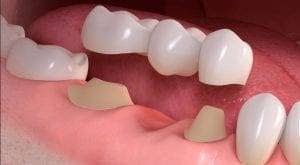
In recent years, dental implant technologies have undergone significant advancements, offering patients more effective and aesthetically pleasing solutions for missing teeth. With a focus on improving patient outcomes and enhancing the longevity of implants, these technologies are transforming the field of dentistry. As dental professionals continue to embrace these innovations, patients can expect more personalized and efficient treatments tailored to their individual needs.
Introduction to Advanced Dental Implant Technologies
The evolution of dental implant technologies has been driven by the desire to replicate the function and appearance of natural teeth. This progression encompasses a wide range of techniques and materials that enhance the durability and integration of implants into the jawbone. As patients seek solutions that not only restore function but also provide aesthetic satisfaction, these technologies become increasingly pivotal.
Key Innovations in Dental Implants
- 3D Imaging and Planning: Advanced imaging techniques such as 3D cone beam computed tomography (CBCT) allow for precise mapping of a patient”?s oral anatomy. This precision facilitates accurate placement of dental implants, minimizing surgical errors and optimizing outcomes.
- Computer-Aided Design/Computer-Aided Manufacturing (CAD/CAM): These systems are instrumental in designing and fabricating custom implants and prosthetics that fit perfectly within a patient”?s oral cavity, improving comfort and functionality.
- Biocompatible Materials: Modern implants utilize materials such as titanium and zirconia, which are known for their durability and compatibility with human tissue, reducing the risk of rejection and promoting osseointegration.
- Immediate Load Dental Implants: This technique allows for the placement of temporary crowns on implants immediately after surgery, providing immediate functionality and aesthetic benefits.
- Mini Dental Implants: A less invasive option, mini implants are suitable for patients with insufficient bone density who might not qualify for traditional implants.
Benefits of Advanced Implant Technologies
The integration of cutting-edge technologies in dental implants has brought forth numerous advantages:
- Enhanced Precision: Improved diagnostic tools and planning software ensure that implants are placed with greater accuracy, reducing complications and improving success rates.
- Reduced Recovery Time: Minimally invasive techniques and immediate load implants decrease healing times, allowing patients to resume normal activities sooner.
- Customized Solutions: Personalized implant designs cater to individual anatomical variations, enhancing comfort and functionality.
- Long-Term Durability: The use of robust materials and precise placement techniques extends the lifespan of implants, offering a reliable long-term solution.
Patient Considerations and Recommendations
While advanced dental implant technologies offer numerous benefits, it is essential for patients to consult with a dental professional to determine the most suitable approach for their specific needs. Factors such as bone density, oral health, and aesthetic preferences should be considered during the planning process. Patients are encouraged to maintain regular dental check-ups and follow post-operative care instructions to ensure optimal implant success.
Conclusion
The advancements in dental implant technologies continue to offer promising solutions for individuals seeking to restore their oral health and aesthetics. By leveraging innovative materials and techniques, dental professionals can provide patients with implants that offer improved comfort, functionality, and longevity. As technology progresses, the future of dental implants looks bright, promising even more refined and effective treatments for those in need.