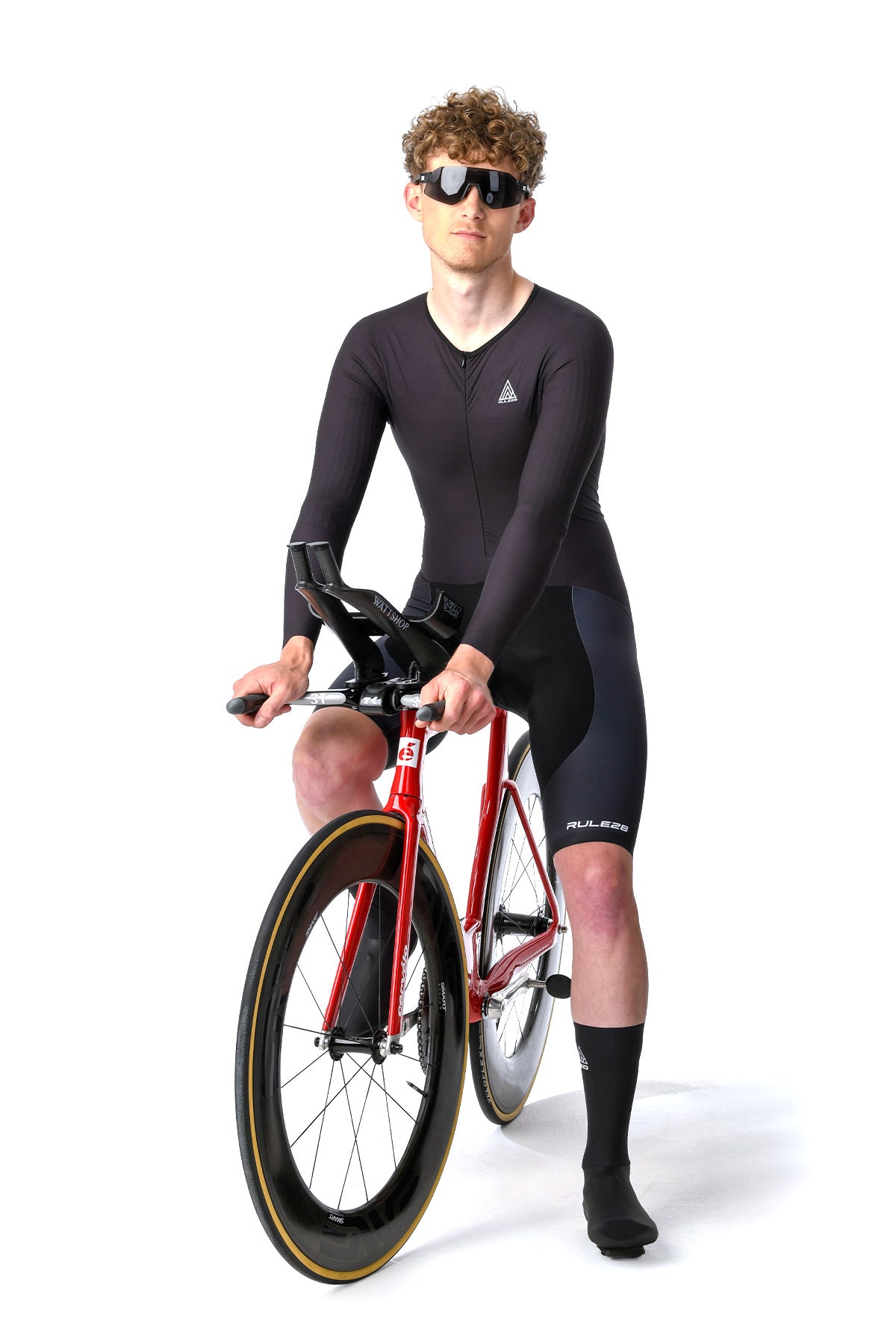
As cycling continues to gain popularity, both as a sport and a leisure activity, the importance of appropriate gear becomes increasingly evident. Among the most essential pieces of cycling apparel is the skinsuit, tailored for aerodynamic efficiency and comfort. Whether competing in a race or enjoying a long ride, the right skinsuit can make a significant difference in performance. This guide explores the critical aspects of choosing the perfect cycling skinsuit, ensuring that enthusiasts and professionals alike can make informed decisions.
Understanding the Purpose of a Skinsuit
A skinsuit is more than just a piece of cycling apparel; it is designed to enhance performance by reducing air resistance and improving fit. Understanding its purpose is crucial before diving into the selection process.
- Aerodynamics: The primary function of a skinsuit is to minimize drag, allowing cyclists to maintain higher speeds with less effort.
- Comfort: A well-fitted skinsuit provides muscle support and reduces chafing, enhancing comfort during long rides.
- Performance: By streamlining the cyclist”?s profile, a skinsuit can lead to improved time trial results and overall cycling efficiency.
Key Features to Consider
Material
The material of a skinsuit significantly impacts its performance. Look for options made from lightweight, breathable fabrics that offer a balance between stretch and support.
- High-quality Lycra or polyester blends are popular choices for their flexibility and durability.
- Mesh panels or perforated sections can enhance breathability, especially in high-temperature conditions.
Fit and Comfort
A well-fitting skinsuit is essential for optimal performance. Here are some key considerations:
- Ensure the skinsuit is snug but not restrictive, allowing for full range of motion.
- Look for articulated panels that conform to the body”?s natural contours.
- Check for flatlock seams, which reduce irritation and provide a smoother fit.
Design and Functionality
While style may not be the top priority, the design of a skinsuit can influence its functionality.
- Consider the placement of zippers and pockets for ease of access and convenience.
- Reflective elements can enhance visibility in low-light conditions, improving safety.
Types of Skinsuits
Different cycling disciplines may require specific skinsuit features to maximize performance. Choosing the right type is crucial based on the intended use.
Road Cycling Skinsuits
These suits are designed to be versatile, suitable for various conditions and terrains. They typically offer a balance between aerodynamics and comfort. Explore options among the best cycling skinsuit selections for road cycling.
Time Trial Skinsuits
Engineered for maximum speed, time trial skinsuits are optimized for aerodynamics. They often feature advanced materials and tighter fits to reduce drag. For competitive cyclists, finding the best time trial skinsuit can be a game-changer.
Choosing the Right Size
Accurate sizing is critical to ensure the skinsuit performs as intended. Here are some tips for selecting the right size:
- Refer to the manufacturer”?s size guide, as sizing can vary between brands.
- Consider trying on multiple sizes to determine the best fit, keeping in mind that a skinsuit should fit snugly.
- If between sizes, prioritize a tighter fit to maintain aerodynamics.
Conclusion
Selecting the right skinsuit involves considering various factors, including material, fit, and intended use. By understanding these elements, cyclists can enhance their performance and comfort, making every ride more enjoyable and efficient. Whether it’s a versatile road cycling option or a specialized time trial piece, the right skinsuit can significantly impact a cyclist’s experience.