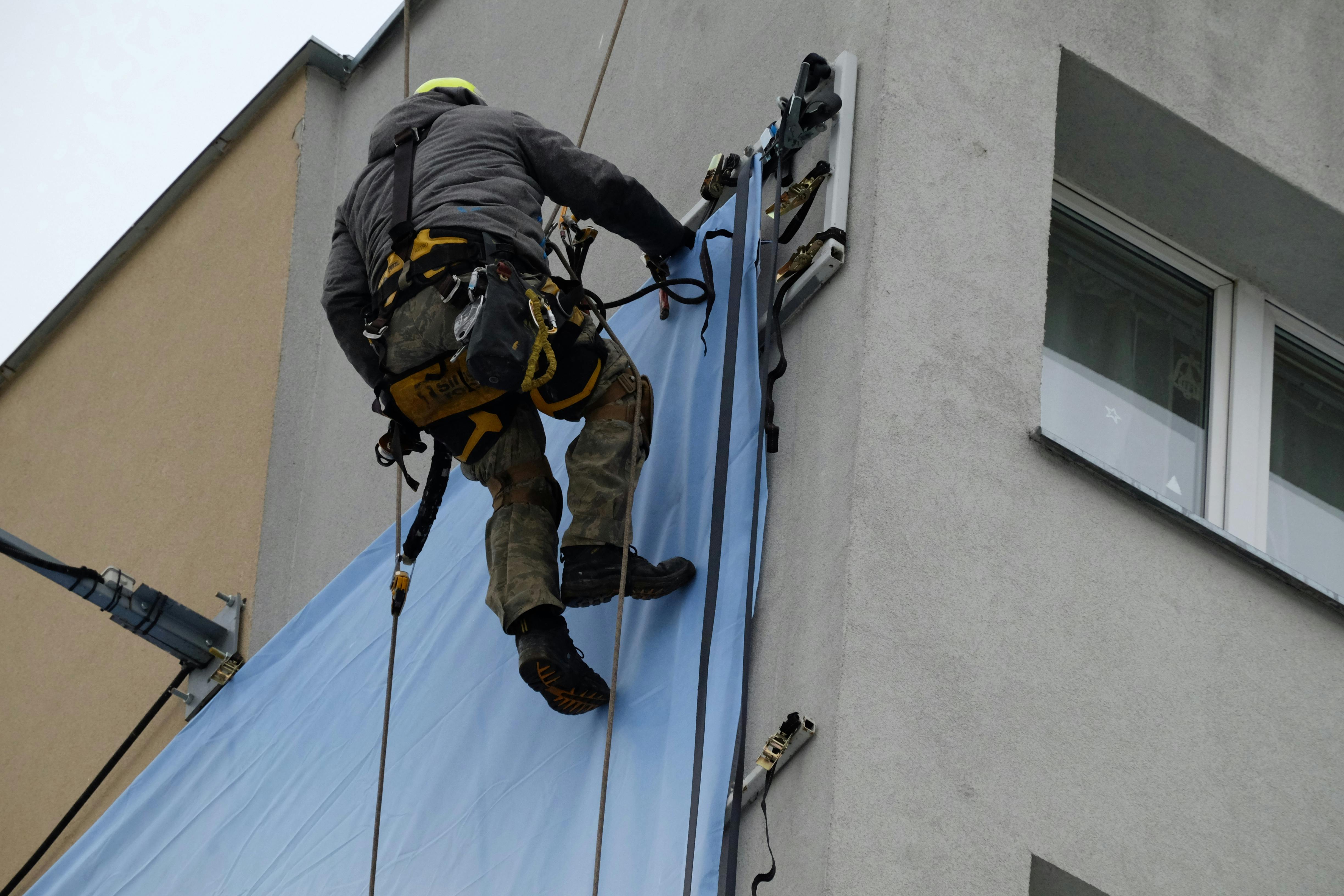
Soil anchoring is an essential component in the construction and maintenance of stable buildings, providing the necessary support to counteract environmental forces and prevent structural failure. As urban areas expand and construction projects become more ambitious, the importance of reliable soil anchoring services cannot be overstated. Implementing the right soil anchoring techniques ensures that buildings remain safe and secure for their intended lifespan.
Understanding Soil Anchoring
Soil anchoring involves the installation of anchors into the ground to secure a structure. These anchors provide resistance to forces such as wind, seismic activity, and soil erosion. The primary goal is to enhance the stability and durability of buildings, especially in areas with challenging ground conditions.
Types of Soil Anchors
- Mechanical Anchors: These are driven into the ground using mechanical methods. They include screw anchors and rock anchors, which are suitable for various soil types.
- Grouted Anchors: These involve injecting grout around the anchor to increase its holding capacity. This type is often used in soft or loose soil conditions.
- Helical Anchors: These are installed by rotating the anchor into the ground, ideal for both tension and compression applications.
Benefits of Professional Soil Anchoring Services
Engaging professional soil anchoring services offers numerous advantages:
- Enhanced Safety: Proper anchoring mitigates risks related to soil movement, landslides, and other natural events.
- Longevity: Well-anchored structures have a longer lifespan due to reduced stress on the foundation.
- Cost-Effectiveness: Minimized need for repairs and maintenance over time translates to significant cost savings.
For detailed insights into advanced soil anchoring techniques, discover expert strategies here.
When to Consider Soil Anchoring
Soil anchoring should be considered in several scenarios:
- New Construction Projects: Especially on sloped terrains or areas prone to seismic activity.
- Building Extensions: When adding new structures to existing buildings, anchoring helps maintain stability.
- Remedial Works: To address existing structural issues related to subsidence or soil erosion.
For those in need of tailored solutions for complex projects, learn about our tailored solutions.
Choosing the Right Soil Anchoring Service
Selecting a reputable service provider is crucial for successful soil anchoring. Key considerations include:
- Experience and Expertise: Look for providers with a proven track record in diverse anchoring projects.
- Technological Capabilities: Advanced technology ensures more efficient and effective anchoring solutions.
- Regulatory Compliance: Ensure adherence to local regulations and industry standards.
To explore advanced guides and tips on selecting the right service provider, explore advanced guides and tips.
Conclusion
Soil anchoring is a critical aspect of modern construction, ensuring the safety and stability of buildings across various environments. Whether for new projects or remedial works, the importance of choosing a reliable and experienced service provider cannot be underestimated. For those interested in comprehensive anchoring solutions, find out more about this approach.