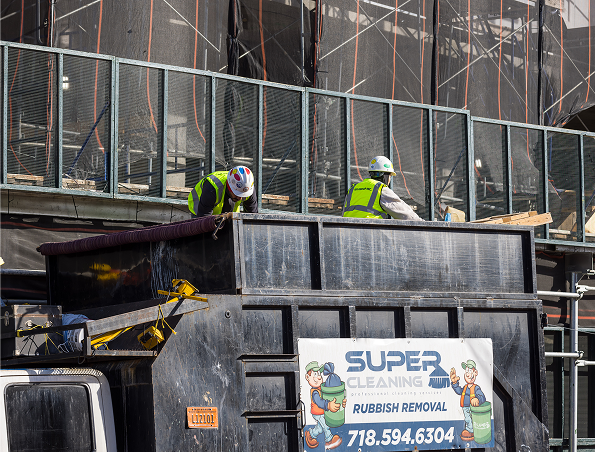
Construction projects, whether large-scale commercial developments or small residential renovations, inevitably generate significant amounts of waste. As environmental concerns continue to rise, the construction industry is under increasing pressure to adopt eco-friendly waste management practices. The challenge lies in effectively reducing the environmental impact while maintaining operational efficiency. This article explores various eco-friendly construction waste removal options, highlighting methods that are both sustainable and effective.
Understanding Eco-Friendly Construction Waste Management
Eco-friendly construction waste management involves strategies that minimize the amount of waste sent to landfills, reduce resource consumption, and lower the carbon footprint of construction activities. This can be achieved through several approaches that prioritize sustainability.
Reduce, Reuse, Recycle
- **Reduce**: The first step towards eco-friendly waste management is waste reduction. This can involve using materials more efficiently during the construction process, thus minimizing excess material that ends up as waste.
- **Reuse**: Instead of discarding materials, consider how they can be reused. Many construction materials, such as bricks, wood, and metal, can be repurposed for future projects or donated to organizations in need.
- **Recycle**: Recycling construction materials is another critical component. Materials like concrete, asphalt, and metals can be recycled into new products. Recycling not only conserves natural resources but also reduces greenhouse gas emissions.
For those looking to implement these methods, it is essential to have a comprehensive plan in place. Find out more about this approach and how it can be tailored to specific project needs.
Innovative Waste Removal Techniques
Innovation in waste removal technology continues to advance, offering more efficient and environmentally friendly options. Embracing these innovations can significantly enhance waste management efforts.
On-Site Waste Segregation
- Segregating waste on-site allows for more efficient recycling and disposal. By identifying different waste streams early, construction sites can better manage and reduce their environmental impact.
- Dedicated bins for different materials help streamline the sorting process and ensure that recyclables are not contaminated.
To implement effective on-site waste segregation, explore advanced guides and tips that provide insights into best practices and tools.
Green Demolition Techniques
- Deconstruction, rather than demolition, involves carefully dismantling structures to salvage materials for reuse and recycling.
- Using environmentally friendly demolition equipment and techniques can further reduce the environmental footprint of construction projects.
Adopting these green demolition techniques can significantly contribute to sustainable construction practices. Discover expert strategies here to enhance the eco-friendliness of demolition activities.
Benefits of Eco-Friendly Waste Removal
Implementing eco-friendly waste removal practices offers numerous benefits, not only to the environment but also to the construction industry and society as a whole.
Environmental Impact
- Reduces landfill waste and conserves natural resources.
- Minimizes pollution and greenhouse gas emissions.
- Promotes the conservation of ecosystems and biodiversity.
Economic Advantages
- Reduces waste disposal costs through efficient waste management practices.
- Potential for financial incentives and credits associated with sustainable building certifications.
- Enhances company reputation and attracts environmentally conscious clients.
By integrating eco-friendly practices, construction projects can achieve significant cost savings and environmental benefits. Learn about our tailored solutions to make construction waste removal more sustainable.
Conclusion
The shift towards eco-friendly construction waste removal is not just a trend but a necessary evolution in the industry. By adopting practices that reduce, reuse, and recycle, alongside innovative techniques like on-site segregation and green demolition, the construction sector can significantly mitigate its environmental impact. Through informed choices and strategic planning, sustainable construction practices can be seamlessly integrated into any project. For more information on implementing these practices, explore advanced guides and tips that provide a roadmap to eco-friendly construction waste management.