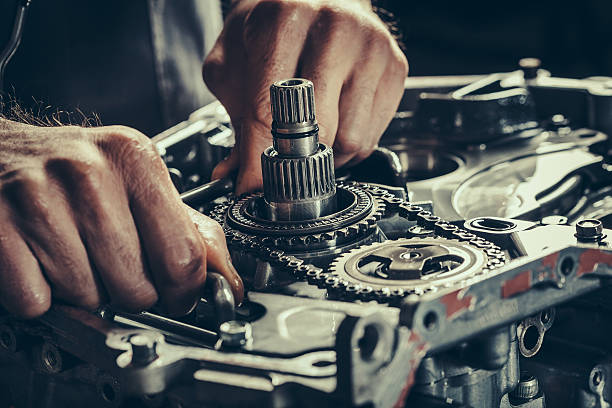
Regular maintenance of a vehicle is crucial for ensuring its longevity and optimal performance. Among the vital maintenance tasks is the regular change of transmission fluid. Transmission fluid plays a critical role in keeping the transmission system of a vehicle running smoothly by providing lubrication, reducing heat, and assisting in gear operation. Despite its importance, transmission fluid changes are often overlooked, which can lead to significant issues and costly repairs. This article delves into the importance of regular transmission fluid changes and how they can benefit a vehicle’s performance and lifespan.
Understanding Transmission Fluid
Transmission fluid is a specialized oil that serves several functions within a vehicle’s transmission system. It lubricates the moving parts, reduces friction, and prevents overheating. It also plays a crucial role in the hydraulic system, which is essential for the operation of cvt transmissions and other automatic gear systems.
Types of Transmission Fluid
There are various types of transmission fluids, each tailored for specific types of transmissions:
- Automatic Transmission Fluid (ATF): Used in vehicles with automatic transmissions, including cvt gearboxes.
- Manual Transmission Fluid: Designed for manual transmissions, providing the necessary lubrication and protection.
- Specialized Fluids: Certain vehicles may require proprietary fluids engineered for specific transmission models.
Benefits of Regular Transmission Fluid Changes
Changing transmission fluid regularly offers numerous benefits, ensuring the vehicle’s transmission system operates efficiently and prolongs its life.
Enhanced Transmission Performance
Regularly changing the transmission fluid ensures that the transmission system functions with clean, effective lubricant, preventing sluggishness and ensuring smooth gear shifts. This is particularly important for high-performance transmission systems like cvt gearboxes.
Prolonged Transmission Lifespan
Regular transmission fluid changes help prevent wear and tear on transmission components. Clean fluid provides better lubrication, reducing the risk of damage and extending the transmission’s lifespan. This is especially crucial for vehicles with automatic transmissions, where the cost of repair can be significant.
Reduced Risk of Costly Repairs
Neglecting to change the transmission fluid can lead to the buildup of debris and contaminants, causing blockages and damage. Performing a routine transmission fluid change can prevent these issues, saving considerable amounts on repairs.
When to Change Transmission Fluid
Understanding when to perform a transmission fluid change is essential for optimal vehicle maintenance. While recommendations can vary based on the vehicle model and usage, some general guidelines can be followed.
Manufacturer’s Recommendations
Consulting the vehicle’s owner manual is always a good starting point, as manufacturers provide specific guidelines based on the vehicle’s design and capabilities.
Signs of Transmission Fluid Deterioration
Even with manufacturer guidelines, factors such as driving conditions and habits can affect fluid life. Be alert for signs that indicate a transmission fluid change might be necessary:
- Slipping Gears: Difficulty in gear changes can signal fluid issues.
- Unusual Noises: Grinding or whining noises may indicate the need for a transmission fluid change.
- Fluid Color and Odor: Old fluid may appear dark or have a burnt smell, indicating it’s time for an automatic fluid change.
Conclusion
Regular transmission fluid changes are a vital aspect of vehicle maintenance, providing significant benefits in terms of performance, lifespan, and cost savings. By staying informed and proactive, vehicle owners can ensure their transmission systems remain in top condition, avoiding the expense and inconvenience of avoidable repairs. For those with vehicles equipped with cvt gearboxes or other complex transmission systems, adhering to a regular maintenance schedule is even more critical. Taking the time to understand and implement these practices will lead to a more reliable and efficient driving experience.