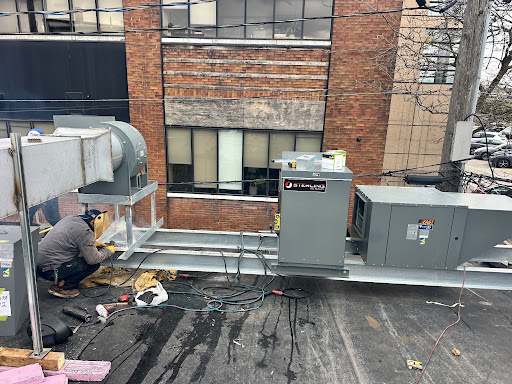
Commercial cooking ventilation is the backbone of any professional kitchen, safeguarding health, safety, and efficiency. Properly designed exhaust systems remove heat, smoke, grease, and airborne contaminants, ensuring that chefs can focus on food quality rather than battling fumes. This guide outlines the essential components, code requirements, and best-practice strategies that help kitchen operators maintain optimal airflow, comply with regulations, and protect equipment longevity.
Why Ventilation Matters in Commercial Kitchens
Effective ventilation does more than keep the air clear; it directly impacts:
- Fire safety – removing grease-laden vapors that can ignite.
- Employee health – reducing exposure to particulates and carbon monoxide.
- Energy efficiency – controlling temperature reduces HVAC load.
- Food quality – preventing smoke from altering flavor profiles.
Core Components of a Ventilation System
Exhaust Hoods
Hoods capture cooking emissions at the source. Selecting the right type (e.g., canopy, island, or wall-mounted) depends on equipment layout and cooking intensity. High-velocity hoods are ideal for fast-cook stations, while low-velocity designs suit slower cooking processes.
Filters and Grease Traps
Filters separate grease from the airstream, protecting ducts and reducing fire risk. Common options include:
- Aluminum baffle filters – durable and easy to clean.
- Stainless steel mesh – excellent for high-heat applications.
- Carbon filters – used when odor control is a priority.
Ductwork
Properly sized and insulated ductwork ensures smooth airflow and prevents condensation. Key considerations:
- Minimize bends and transitions to reduce pressure loss.
- Use fire-rated materials that meet local code.
- Maintain clear access for routine cleaning.
Make-up Air Systems
Introducing fresh air balances the negative pressure created by exhaust fans. A well-designed make-up system improves combustion efficiency for gas appliances and maintains comfortable indoor temperatures.
Regulatory Landscape
Compliance with local, state, and national codes is non-negotiable. The most referenced standards include:
- International Mechanical Code (IMC) – governs fan sizing and duct construction.
- National Fire Protection Association (NFPA) 96 – outlines fire protection requirements for commercial cooking equipment.
- Occupational Safety and Health Administration (OSHA) – sets limits on airborne contaminants.
For detailed code interpretation, Discover expert strategies here.
Design Best Practices
Integrating ventilation into the kitchen layout from the outset yields the best results. Follow these guidelines:
- Perform a thorough airflow analysis. Use computational fluid dynamics (CFD) or manual calculations to determine required capture velocity.
- Match hood size to cooking equipment. Undersized hoods cause smoke spill, while oversized hoods waste energy.
- Locate exhaust fans downstream of filters. This protects fan blades and extends service life.
- Incorporate automatic fire suppression. Systems triggered by heat or flame detectors add a critical safety layer.
Additional insights are available in the Explore advanced guides and tips section of the resource site.
Maintenance and Cleaning Protocols
Regular upkeep prevents grease buildup, reduces fire hazards, and maintains airflow efficiency. A typical maintenance schedule includes:
- Daily visual inspection of hoods and filters.
- Weekly cleaning of removable filters using hot-water or solvent methods.
- Monthly professional duct cleaning, especially for high-volume operations.
- Annual inspection of fire suppression components and fan motors.
Implementing a documented cleaning log helps meet regulatory audits and can be referenced when Find out more about this approach to compliance tracking.
Energy Efficiency Considerations
Ventilation can be a major energy consumer. Strategies to reduce load include:
- Variable-speed fans that adjust to real-time cooking demand.
- Heat recovery ventilators (HRVs) that capture waste heat and pre-heat incoming air.
- Insulated ductwork to prevent thermal loss.
- Scheduling exhaust operation to match peak cooking periods.
For a deeper dive into sustainable practices, Learn about our tailored solutions that balance performance with cost savings.
Choosing the Right Partner
Selecting a knowledgeable ventilation specialist ensures that design, installation, and service align with industry standards. Look for providers who:
- Demonstrate experience with similar kitchen sizes and cuisines.
- Offer comprehensive testing and certification.
- Provide ongoing maintenance contracts.
- Stay current with code updates and technology advances.
When evaluating options, consider resources that Discover expert strategies here for objective criteria and case studies.
Conclusion
Investing in a well-engineered commercial cooking ventilation system protects staff, preserves equipment, and enhances overall kitchen performance. By understanding core components, adhering to regulations, and committing to regular maintenance, operators can create a safe, efficient, and compliant cooking environment. For continued education and the latest industry developments, regularly visit the dedicated resource hub at Explore advanced guides and tips.