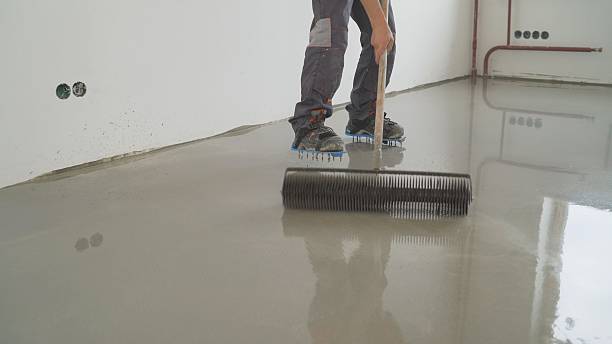
Concrete flooring is a cornerstone of durable construction, offering strength, longevity, and versatility for a wide range of applications, from industrial warehouses to residential garages. Selecting the right concrete floor solution involves understanding substrate preparation, material selection, finishing techniques, and maintenance practices. This article outlines the key considerations and modern methods that enable professionals to deliver high-performance concrete floors that meet both functional and aesthetic requirements.
Understanding Concrete Floor Types
Concrete floors can be categorized based on their intended use and the level of finish required. Recognizing these categories helps in choosing the most appropriate system.
Standard Structural Slabs
- Designed primarily for load-bearing capacity.
- Typically left with a smooth, untreated surface unless a specific finish is required.
- Ideal for foundations, parking structures, and warehouse floors.
Polished Concrete
- Achieves a high-gloss surface through grinding and sealing.
- Provides a durable, low-maintenance flooring option for commercial interiors.
- Improves light reflectivity, reducing lighting costs.
Epoxy-Coated Systems
- Combines a resin-based coating with concrete for chemical resistance.
- Common in laboratories, food processing plants, and areas with heavy traffic.
- Offers a seamless, easy-to-clean surface.
Stamped and Stained Concrete
- Mimics the appearance of natural stone, brick, or tile.
- Popular for decorative residential applications and outdoor patios.
- Requires careful sealing to protect color and pattern.
Key Steps in Concrete Floor Installation
Successful concrete floor installations follow a systematic process that ensures structural integrity and surface performance.
1. Site Assessment and Preparation
- Evaluate subgrade conditions and address any moisture issues.
- Remove debris, old coatings, and contaminants that could affect bonding.
- Perform necessary repairs to existing concrete, such as crack filling or leveling.
2. Concrete Mix Design
- Select appropriate water-to-cement ratio for strength and workability.
- Incorporate admixtures (e.g., plasticizers, accelerators) to meet project specifications.
- Consider using high-early-strength mixes for accelerated construction schedules.
3. Placement and Finishing
- Use proper screeding and vibrating techniques to eliminate voids.
- Apply finishing methods (troweling, brooming, or polishing) based on the desired surface.
- Maintain consistent curing conditions to prevent shrinkage cracks.
4. Post-Installation Treatments
- Apply sealers, coatings, or overlays to enhance durability and aesthetics.
- Allow adequate cure time before subjecting the floor to traffic.
- Implement a maintenance plan that includes regular cleaning and periodic resealing.
Modern Technologies Enhancing Concrete Floors
Advancements in materials science and application methods have expanded the capabilities of concrete flooring.
Self-Leveling Underlayment
- Creates a perfectly flat surface for subsequent finishes.
- Reduces labor time compared with traditional screeding.
- Ideal for retrofit projects where floor height must be controlled.
Ultra-High-Performance Concrete (UHPC)
- Offers superior compressive strength and durability.
- Enables thinner floor sections without compromising load capacity.
- Suitable for high-traffic industrial environments.
Microtopping and Thin-Film Overlays
- Provide decorative finishes without the need for full slab removal.
- Can be applied over existing concrete to refresh appearance.
- Often combined with epoxy or polyurethane topcoats for added protection.
Best Practices for Long-Term Performance
Maintaining the integrity of a concrete floor extends its service life and preserves its appearance.
- Implement a regular cleaning schedule using pH-neutral cleaners.
- Monitor moisture levels; excessive moisture can lead to delamination of coatings.
- Reapply sealers or topcoats as recommended by the coating manufacturer.
- Address any signs of wear or damage promptly to prevent larger failures.
Resources and Further Reading
For detailed guidelines on concrete floor design, material selection, and maintenance strategies, consult comprehensive industry publications and technical manuals. Read more about this topic. Additional insights on modern coating systems and their applications can be found in specialized guides. Learn more in this detailed guide. For a broader perspective on concrete technology trends, explore expert analyses and case studies. Explore further insights here. Finally, practical tips for contractors seeking to improve installation efficiency are available online. Find additional information here.