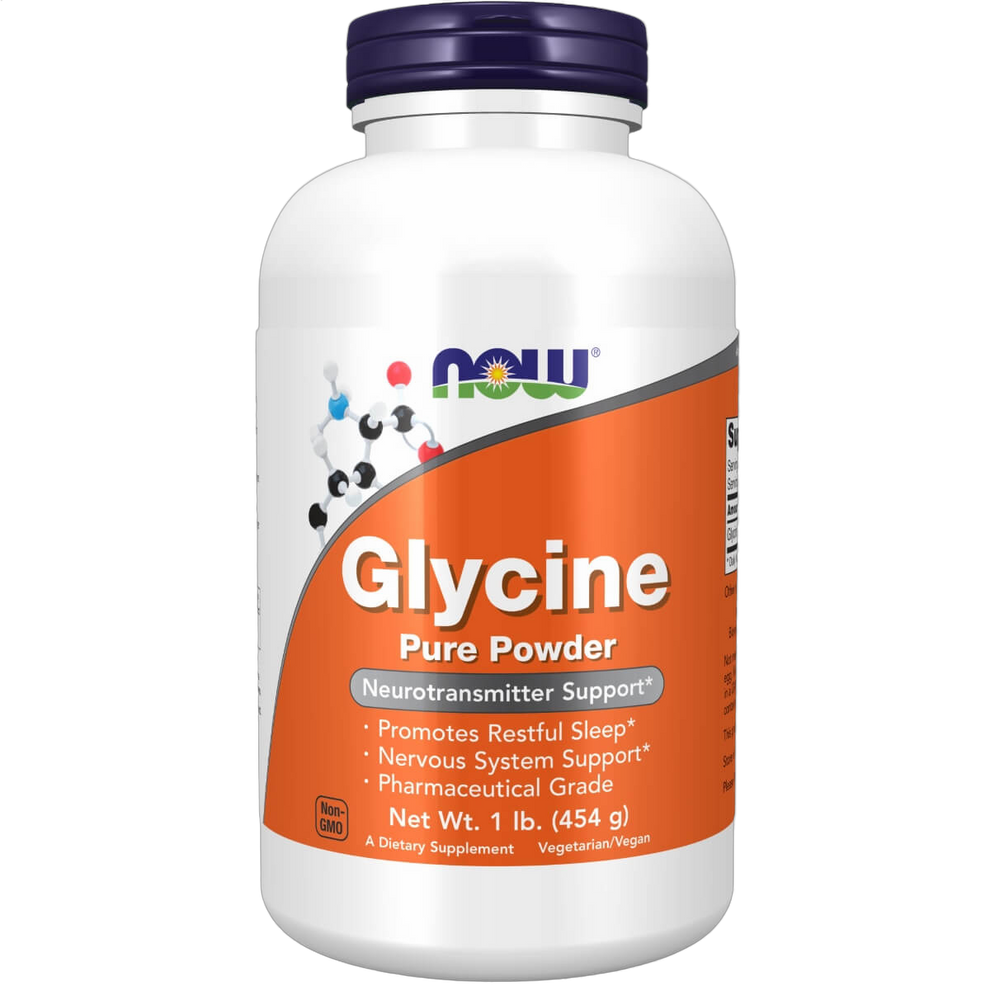
Glycine, the simplest of the protein-building amino acids, has moved from the laboratory bench to the daily supplement shelf in recent years. Its role in supporting sleep quality, joint health, and metabolic function has attracted both clinicians and fitness enthusiasts. For anyone based in the United Kingdom looking to add this nutrient to their routine, understanding the appropriate dosage, safety considerations, and how to choose a reliable product is essential. The following guide outlines the key factors to consider when selecting a glycine supplement and incorporating it safely into a health plan.
Why Glycine Matters: Core Benefits
Scientific research highlights several physiological pathways where glycine exerts a positive effect:
- Sleep regulation: Glycine acts as an inhibitory neurotransmitter, helping to lower core body temperature and promote deeper, more restorative sleep.
- Collagen synthesis: As a primary component of collagen, glycine supports skin elasticity, joint cartilage, and connective tissue repair.
- Detoxification: It participates in the conversion of toxic metabolites into harmless substances, aiding liver function.
- Metabolic health: Supplementation has been linked to improved insulin sensitivity and reduced post-meal blood glucose spikes.
Recommended Dosage for Different Goals
Dosage recommendations vary depending on the intended benefit and individual tolerance. Below is a practical breakdown:
General Wellness
- Typical range: 2-3″?g per day taken with water or a beverage.
- Best taken on an empty stomach to maximise absorption.
Sleep Enhancement
- Effective dose: 3″?g about 30-60 minutes before bedtime.
- Consistent nightly use is recommended for measurable improvements.
Joint and Skin Support
- Standard protocol: 5″?g per day split into two doses (morning and evening).
- Combining with vitamin”?C can further boost collagen formation.
Athletic Recovery
- Loading phase: 10″?g per day for 5-7″?days, followed by a maintenance dose of 5″?g.
- Take immediately after training to aid muscle repair.
All dosages should be adjusted based on personal health status, body weight, and any concurrent medications. Consulting a healthcare professional before beginning a high-dose regimen is advisable.
Safety Profile and Potential Side Effects
Glycine is generally recognised as safe when consumed within the recommended limits. However, awareness of the following considerations helps minimise risk:
- Gastrointestinal discomfort: Doses exceeding 10″?g may cause mild nausea or bloating in sensitive individuals.
- Interaction with medication: Glycine can influence the activity of certain antipsychotics and anticonvulsants; a physician’s guidance is essential.
- Pregnancy & lactation: Current evidence suggests moderate intake is safe, but pregnant or nursing women should seek professional advice.
- Kidney function: Those with impaired renal clearance should monitor intake closely, as excess amino acids can place additional strain on the kidneys.
When taken as directed, most users experience no adverse effects. Starting with a lower dose and gradually increasing can help the body adapt comfortably.
Choosing a High-Quality Glycine Supplement in the UK
With a growing market of glycine supplement uk options, selecting a product that meets strict quality standards is crucial. Consider the following criteria:
Purity and Manufacturing Standards
- Look for products manufactured in GMP-certified facilities.
- Third-party testing results should be readily available, confirming the absence of heavy metals, microbes, and fillers.
Formulation Type
- Powder vs. tablets: Powders allow flexible dosing and are often more cost-effective, while tablets provide convenience and precise dosing.
- If preferring a solid form, search for reputable glycine tablets that list glycine as the sole active ingredient.
Added Ingredients
- Some formulations include vitamin”?B6 or magnesium to enhance absorption; ensure any additives align with personal health goals.
- Avoid products with unnecessary sweeteners, artificial colours, or proprietary blends that obscure exact glycine content.
Value for Money
- Calculate cost per gram of pure glycine rather than per container.
- Bulk purchasing can reduce price, but verify the expiration date to avoid waste.
Brands that consistently meet these standards often appear in lists of the best glycine supplement uk options, reflecting both consumer trust and scientific backing.
Practical Buying Tips
To streamline the purchasing process and ensure a satisfactory experience, follow these practical steps:
- Check the label: Confirm the exact amount of glycine per serving and any additional ingredients.
- Read reviews: Look for feedback on taste (for powders), tablet size, and any reported side effects.
- Verify shipping policies: Choose retailers that offer clear return options and fast delivery within the UK.
- Compare prices: Use price-comparison tools, but weigh cost against quality certifications.
- Start with a trial size: If uncertain, purchase a smaller pack to assess tolerance before committing to larger quantities.
Integrating Glycine Into a Daily Routine
For optimal results, consider the timing and context of supplementation:
- Morning: A small dose (1-2″?g) mixed into a smoothie can support metabolism throughout the day.
- Pre-sleep: The 3″?g dose recommended for sleep should be taken with a warm, non-caffeinated beverage.
- Post-workout: Combine with a protein shake to aid muscle recovery.
Pairing glycine with a balanced diet rich in whole foods, lean proteins, leafy greens, and healthy fats, maximises its benefits without relying solely on supplementation.
Conclusion
Glycine’s versatility makes it a valuable addition to many health-focused regimens, from improving sleep quality to supporting connective tissue health. By adhering to evidence-based dosage guidelines, monitoring safety considerations, and selecting a reputable glycine supplement that meets UK quality standards, individuals can harness its benefits confidently. Thoughtful purchasing decisions and consistent use within a holistic lifestyle will ensure that glycine contributes positively to overall wellbeing.