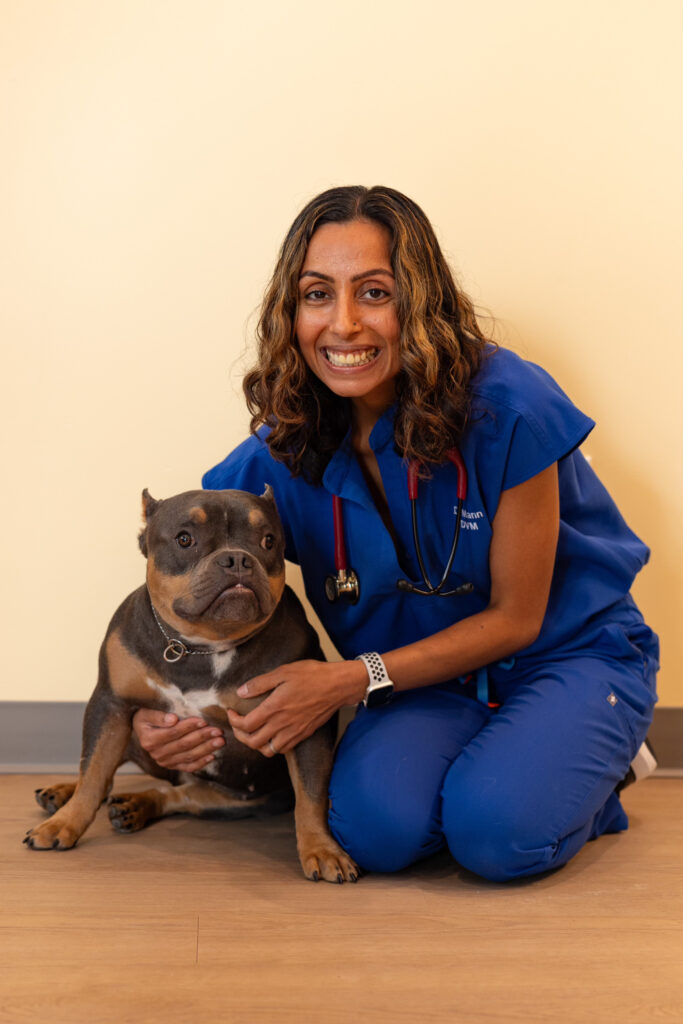
As a pet owner, ensuring the health and well-being of your dog is a top priority. When your furry friend is unwell, diagnostic procedures such as ultrasounds can provide crucial insights. An ultrasound for dogs is a non-invasive imaging technique that veterinarians use to visualize the internal organs of your pet. It?s a valuable tool for diagnosing various conditions and planning appropriate treatments. This article will guide you through what to expect during the process and how to prepare your dog for an ultrasound examination.
Understanding the Purpose of Dog Ultrasounds
Ultrasound examinations are often recommended by veterinarians for several reasons, including:
- Investigating abnormal blood tests or physical exam findings.
- Evaluating symptoms such as vomiting, diarrhea, or unexplained weight loss.
- Monitoring existing medical conditions or assessing the effectiveness of treatment.
- Guiding procedures like biopsies to ensure precision and safety.
To delve deeper into the applications of ultrasounds in veterinary care, discover expert strategies here.
What Happens During an Ultrasound Procedure?
Preparation
Before the ultrasound, the veterinarian may provide specific instructions, such as withholding food for several hours. This helps to ensure clearer images during the examination. Some key preparatory steps include:
- Fasting your dog as instructed by the vet.
- Ensuring your dog is calm and comfortable.
- Understanding whether sedation might be necessary, particularly for anxious pets.
For more tailored solutions regarding preparation, learn about our tailored solutions.
During the Procedure
The ultrasound procedure for dogs is quite straightforward and typically involves the following:
- The dog is usually placed on a padded table.
- An ultrasound probe is moved over the area of interest, often with a special gel to enhance image quality.
- The procedure is painless and generally well-tolerated by most dogs.
Veterinarians are skilled at keeping pets relaxed during the procedure. To explore advanced guides and tips, explore advanced guides and tips.
Post-Ultrasound Expectations
Immediate Aftercare
After the ultrasound, most dogs can return to their normal activities almost immediately. However, if sedation was used, some aftercare might be necessary, such as:
- Monitoring the dog for a few hours post-procedure.
- Providing a quiet and comfortable space for recovery.
Interpreting Results
The results from an ultrasound can provide comprehensive insights into your dog?s health. Depending on the findings, the veterinarian may suggest further tests or treatment options. For any questions regarding the results, it?s advisable to discuss them directly with the veterinarian. Find out more about this approach.
Conclusion
An ultrasound for dogs is a valuable diagnostic tool that aids in assessing and monitoring health conditions. Understanding what to expect can help alleviate any concerns and ensure your pet receives the best possible care. For more information on ultrasounds and other veterinary services, explore advanced guides and tips.