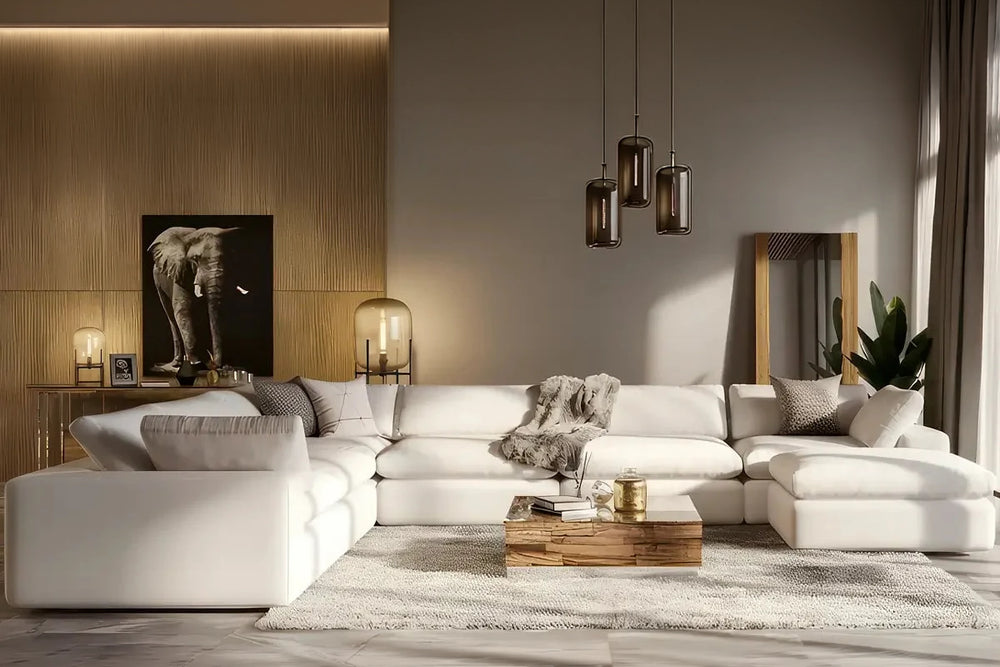
In recent years, the concept of bespoke modular sofas has gained considerable traction among homeowners and interior designers alike. These customizable seating solutions offer a perfect blend of functionality, style, and comfort, catering to diverse needs and preferences. As living spaces evolve into multifunctional areas, the demand for adaptable and personalized furniture solutions has surged. Modular sofas provide a unique opportunity to design seating that aligns with individual lifestyle requirements while maximizing space efficiency.
The Concept of Modular Design
Modular design in furniture revolves around the idea of creating pieces that can be easily rearranged and customized to suit various configurations. This concept is particularly beneficial for modern living spaces, where flexibility and adaptability are paramount. Modular sofas consist of individual units or modules that can be combined in numerous ways, allowing users to tailor the layout to their specific needs.
Key Benefits of Modular Sofas
- Customization: Users can configure the sofa to fit their space and style preferences, choosing from different modules such as corners, armless units, and ottomans.
- Adaptability: The ability to reconfigure the sofa makes it easy to adapt to changing needs, whether entertaining guests or creating a cozy movie night setup.
- Space Efficiency: Modular sofas are ideal for small spaces, as they allow for optimal utilization of available room without compromising comfort.
- Easy Maintenance: Individual modules can be easily moved for cleaning, and damaged sections can be replaced without needing to buy a new sofa.
Designing Your Own Modular Sofa
Designing a bespoke modular sofa involves several considerations to ensure it meets your functional and aesthetic needs. The process begins with assessing the available space and understanding the primary use of the sofa. Once these aspects are clear, selecting the appropriate modules becomes straightforward. For more details on designing a modular sofa, find additional information here.
Considerations for Optimal Design
- Space Availability: Measure the room to understand the dimensions and choose modules that fit comfortably within the space.
- Usage Patterns: Determine how the sofa will be used. For example, families may require more seating, whereas singles or couples might prioritize lounging space.
- Style Preferences: Choose fabrics, colors, and finishes that complement the existing decor of the room.
- Budget: Modular sofas can vary in cost depending on materials and design complexity. Set a budget to guide your choices.
Materials and Durability
The choice of materials in a modular sofa significantly impacts its durability and comfort. Typically, these sofas are available in a variety of fabrics, including leather, microfiber, and cotton blends. Each material offers distinct advantages, so selecting the right one depends on personal preference and lifestyle. For instance, families with young children might opt for stain-resistant fabrics, while those seeking a luxurious look might prefer leather. To learn more in this detailed guide about materials and their benefits, explore the available options.
Conclusion
Bespoke modular sofas offer an innovative approach to modern furniture design, emphasizing functionality and adaptability. By allowing for customization and reconfiguration, they cater to a wide range of needs and preferences, making them a valuable addition to any living space. Whether it’s maximizing comfort, optimizing space, or simply refreshing the decor, a well-designed modular sofa can transform a room into a versatile and stylish environment. To explore further insights here on how modular sofas can enhance your home, consider diving deeper into specific design strategies and material choices.