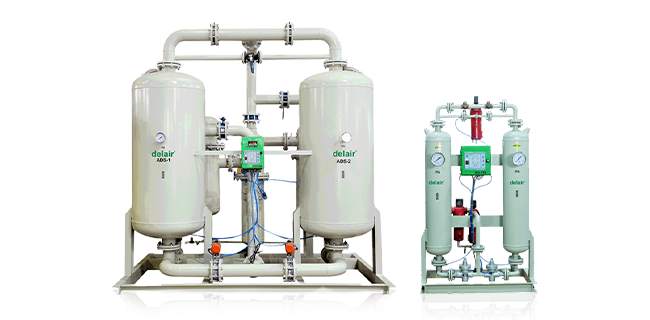
In the demanding world of manufacturing, the importance of maintaining clean and dry air cannot be overstated. Compressed air systems play a critical role in various industrial processes, and ensuring their efficiency is paramount. One essential component in achieving this is the compressed air dryer. By removing moisture from compressed air, these dryers prevent potential damage to machinery, enhance product quality, and increase overall operational efficiency. Understanding the role and benefits of compressed air dryers can significantly impact the success of manufacturing operations.
The Importance of Clean and Dry Air in Manufacturing
Compressed air is often considered the fourth utility in manufacturing, following electricity, water, and natural gas. However, unlike the other utilities, compressed air can harbor moisture, oil, and particulate contaminants that, if not properly managed, can cause significant challenges:
- Equipment Reliability: Moisture-laden air can lead to corrosion, rust, and wear in pneumatic tools and machinery, reducing their lifespan and reliability.
- Product Quality: In industries like food and beverage or pharmaceuticals, moisture can compromise product integrity and safety.
- Operational Efficiency: Contaminated air can lead to blockages and downtime, affecting productivity and increasing maintenance costs.
Types of Compressed Air Dryers
Various types of compressed air dryers are designed to address specific needs and challenges in manufacturing environments. Understanding the differences can help in selecting the most suitable option:
Refrigerated Dryers
These are the most common type of air dryers and are ideal for general industrial applications. They work by cooling the air to a low temperature, which condenses the moisture for easy removal. While effective, they may not be suitable for environments with extremely low dew point requirements. Discover expert strategies here.
Desiccant Dryers
Desiccant dryers use absorbent materials to remove moisture from the air. They are capable of achieving very low dew points, making them suitable for more demanding environments. This type is often used in industries where air purity is critical. Learn about our tailored solutions.
Membrane Dryers
These dryers use a permeable membrane to separate water vapor from the air. They are energy-efficient and require minimal maintenance, but may not achieve the same low dew points as desiccant dryers. Explore advanced guides and tips.
Selecting the Right Dryer for Your Operation
The choice of a compressed air dryer depends on several factors, including the specific needs of the manufacturing process, the environment, and budget considerations. Key factors to consider include:
- Required Dew Point: Determine the level of dryness needed based on the application.
- Flow Rate: Ensure the dryer can handle the volume of air required by the operation.
- Energy Efficiency: Consider the operational costs associated with different types of dryers.
- Maintenance Requirements: Evaluate the maintenance demands and associated costs over the dryer?s lifespan.
By carefully assessing these factors, manufacturing operations can select a dryer that not only meets their technical needs but also offers cost-effective performance. Find out more about this approach.
Conclusion
Incorporating the right compressed air dryer into manufacturing operations is crucial to ensuring clean and dry air, which in turn protects equipment, maintains product quality, and enhances operational efficiency. With a variety of options available, from refrigerated to desiccant and membrane dryers, it is essential to consider the specific needs of the operation and select the most appropriate solution. By doing so, manufacturers can significantly improve their processes, reduce downtime, and maintain a competitive edge in their industry. For more insights and guidance on selecting the right compressed air solutions, explore advanced guides and tips.