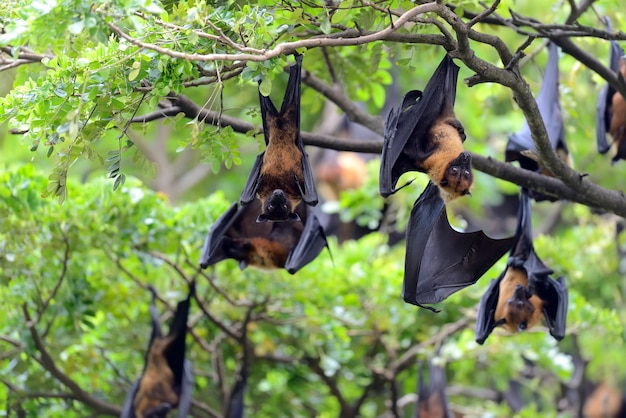
Bat encounters in residential properties can quickly turn from a curiosity into a serious concern. These nocturnal mammals are protected by state and federal regulations, which means that removal must be handled with care, expertise, and full compliance. Homeowners on Long Island often face unique challenges: older homes with attic spaces, proximity to wetlands, and seasonal migrations that bring bats closer to human dwellings. Understanding the biology of bats, the legal framework, and the most effective removal techniques is essential for protecting both the family’s safety and the bats’ wellbeing.
Why Professional Bat Removal Is Essential
Attempting a DIY removal can lead to several problems:
- Legal penalties: Many bat species are protected, and improper handling can result in fines.
- Health risks: Bats can carry rabies and other pathogens; improper contact increases exposure.
- Structural damage: Bat guano is acidic and can corrode wood, insulation, and wiring.
- Repeated infestations: Without proper exclusion, bats will return to the same entry points.
Professional services bring the knowledge and tools needed to address these issues safely and efficiently.
Key Steps in a Professional Bat Removal Process
1. Inspection and Assessment
A thorough inspection identifies:
- Bat species and colony size.
- Entry and exit points.
- Potential health hazards.
- Structural vulnerabilities that need repair.
Advanced equipment such as infrared cameras and acoustic detectors help locate hidden colonies without disturbing the animals.
2. Exclusion Planning
Exclusion involves sealing all exit routes while providing a one-way exit for the bats. This process is timed to ensure that no young bats are trapped inside, typically after the breeding season.
3. Installation of One-Way Devices
Specialized devices allow bats to leave but prevent re-entry. These are installed at identified exit points and monitored for a period of 7-14 days.
4. Habitat Restoration and Repair
After exclusion, the attic or crawl space is cleaned, disinfected, and repaired. This may include:
- Replacing damaged insulation.
- Sealing gaps in roofing, siding, and vents.
- Installing bat-friendly deterrents to discourage future colonies.
Choosing the Right Service Provider
When selecting a bat removal specialist on Long Island, consider the following criteria:
- Licensing and certification: Verify that technicians hold wildlife control permits.
- Experience with local bat species: Knowledge of the Eastern small-footed bat, Little brown bat, and other regional species is crucial.
- Transparent process: A reputable provider will explain each step, from inspection to post-removal monitoring.
- Customer feedback: Review client testimonials to gauge satisfaction.
For a deeper dive into the methodology used by leading experts, Discover expert strategies here.
Benefits of Professional Exclusion Over Trapping
While trapping might seem like a quick fix, it often violates wildlife protection laws and can cause unnecessary stress to the animals. Professional exclusion offers:
- Legal compliance with state and federal wildlife statutes.
- Humane treatment that preserves bat populations, which are vital for insect control and pollination.
- Long-term prevention, reducing the likelihood of future invasions.
To explore tailored solutions that balance homeowner safety with ecological responsibility, Learn about our tailored solutions.
Cost Considerations and Value
Pricing varies based on colony size, property layout, and required repairs. Typical cost components include:
- Initial inspection fee.
- Exclusion device installation.
- Cleaning and decontamination.
- Structural repairs and preventive measures.
Investing in a professional service often saves money in the long run by preventing recurring damage and health hazards.
Maintaining a Bat-Free Home
After removal, homeowners can adopt simple practices to keep bats from returning:
- Regularly inspect roof vents, eaves, and chimney flues for gaps.
- Install mesh screens on large openings.
- Trim overhanging trees that provide easy access to the roof.
- Schedule annual wildlife inspections, especially before peak bat activity seasons.
For additional guidance on preventive measures, Explore advanced guides and tips.
Customer Satisfaction and Trust
Transparency and reliability are hallmarks of top-tier wildlife control services. Prospective clients are encouraged to read authentic feedback from homeowners who have completed bat removal projects. Check out customer reviews here to understand the level of professionalism and effectiveness delivered.
Conclusion
Bat removal on Long Island demands a balance of legal knowledge, ecological respect, and technical skill. By engaging a certified specialist, homeowners ensure humane treatment of protected species while safeguarding their property from health risks and structural damage. The comprehensive approach, inspection, exclusion, repair, and ongoing prevention, provides lasting peace of mind. For anyone facing a bat intrusion, the path forward begins with a qualified professional who can navigate the complexities of wildlife regulations and deliver a safe, bat-free environment.