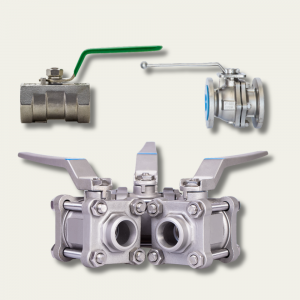
In the complex world of fluid and gas control systems, selecting the right ball valve is pivotal to ensuring optimal performance and safety. Ball valves serve as critical components in various industries, offering reliable shut-off and control capabilities. When it comes to choosing the right material for ball valves, stainless steel and regular materials often present a significant decision point. Understanding the differences and applications of these materials can effectively guide the selection process to meet specific operational demands.
Understanding Ball Valves
Ball valves are essential in managing the flow of liquids or gases. They are designed with a spherical disc, the part of the valve which controls the flow through it. Modern industrial applications necessitate valves that can handle high pressure and temperature, ensuring durability and reliability.
Key Features and Benefits
- Durable and robust design for long-term use.
- Quick to operate with a simple turn of the handle.
- Provides a reliable seal, minimizing leaks.
- Available in a variety of materials to suit different applications.
Stainless Steel Ball Valves
Stainless steel ball valves are praised for their exceptional resistance to corrosion and high-pressure environments. These valves are often the go-to choice for industries that operate under challenging conditions. Discover expert strategies here for utilizing stainless steel ball valves in your systems.
Advantages of Stainless Steel
- High resistance to corrosion, making them ideal for harsh environments.
- Can withstand higher pressures and temperatures.
- Less maintenance required due to the durability of the material.
- Ideal for industries like oil and gas, chemical processing, and food manufacturing.
Regular Material Ball Valves
Ball valves made from regular materials, such as brass or plastic, offer cost-effective solutions for less demanding applications. While not as robust as stainless steel, they provide adequate service under standard conditions. Learn about our tailored solutions for selecting the right valve for your needs.
Advantages of Regular Materials
- More affordable compared to stainless steel options.
- Lightweight, which can be beneficial for certain applications.
- Suitable for low to medium pressure and temperature environments.
- Commonly used in residential plumbing, HVAC systems, and low-pressure industrial applications.
Key Considerations When Choosing Ball Valves
When selecting between stainless steel and regular material ball valves, consider the following factors to ensure the right choice:
- Application Environment: Assess the environmental conditions such as temperature, pressure, and potential exposure to corrosive elements.
- Cost vs. Longevity: Determine the balance between initial investment and the valve’s lifespan. Stainless steel may have a higher upfront cost but offers longevity.
- Maintenance Requirements: Consider the ease and frequency of maintenance required for the valve material chosen.
- Compliance and Standards: Ensure the selected valves meet industry and regulatory standards for safety and performance.
Making an informed decision on the right ball valve can significantly impact system efficiency and safety. Explore advanced guides and tips to further delve into how these valves can be optimized for specific applications.
Conclusion
Choosing the right ball valve material?be it stainless steel or a regular material?requires an understanding of the operational demands and the environment in which the valve will function. By weighing the benefits and limitations of each material, industries can ensure optimal performance and reliability in their fluid control systems. Find out more about this approach and explore how different materials can meet diverse operational needs effectively.