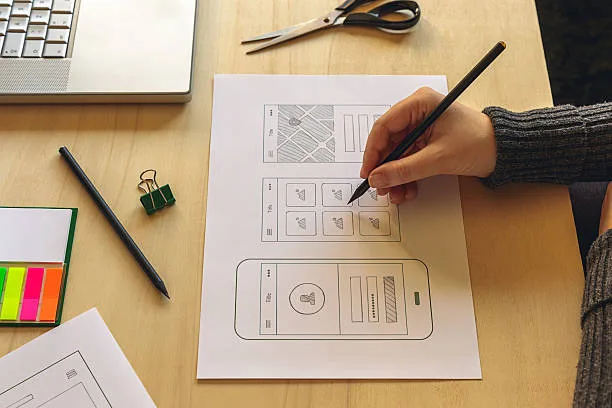
In the dynamic world of product development, rapid prototyping has emerged as a pivotal practice, bridging the gap between initial concepts and final products. With the acceleration of technological advancements, businesses are increasingly leveraging rapid prototyping to streamline their design processes, enhance flexibility, and reduce time-to-market. This method allows for iterative testing and refinement, ensuring that the end result not only meets but exceeds customer expectations. By incorporating rapid prototyping services into the design cycle, organizations can significantly enhance their competitive advantage.
Understanding Rapid Prototyping
Rapid prototyping involves creating a preliminary version of a product to test its functionality and design. This approach provides several advantages:
- Allows for early detection of design flaws.
- Facilitates stakeholder engagement through tangible demonstration.
- Encourages iterative testing and feedback.
- Reduces overall development costs by identifying issues early.
Key Benefits of Rapid Prototyping
By utilizing rapid prototyping services, companies can leverage a range of benefits that enhance product quality and market readiness.
Speed and Efficiency
One of the primary benefits of rapid prototyping is the speed at which concepts can be transformed into tangible models. This process is powered by modern technologies such as 3D printing and CAD design, enabling quicker iterations and adjustments without the extended wait times associated with traditional methods.
Organizations can quickly move from brainstorming sessions to product prototyping services, allowing them to capitalize on market trends swiftly.
Cost-Effectiveness
Traditional prototyping methods often involve significant financial investments due to the cost of materials and labor. In contrast, rapid prototyping minimizes these expenses by utilizing efficient production techniques.
- Reduced material waste.
- Lower labor costs due to automation.
- Faster iteration cycles mean fewer resources spent on each version.
These factors contribute to a more cost-effective development process, enabling companies to allocate resources more strategically across their projects.
Enhanced Communication and Collaboration
Prototypes serve as a powerful communication tool, bridging the gap between engineers, designers, and stakeholders. By providing a tangible representation of the concept, prototypes facilitate greater understanding and collaboration.
Engaging an electronic prototyping company can enhance communication throughout the development process, ensuring that all parties are aligned on the project goals and specifications.
Improved Product Quality
Early testing and feedback are crucial for product development. By adopting rapid prototyping, companies can test multiple design iterations, ensuring that the final product meets high standards of quality and functionality.
Working with prototype design companies can assist in refining product features and optimizing designs based on user feedback and testing data.
Conclusion
Rapid prototyping is an invaluable component of modern product development, offering numerous advantages from cost savings to enhanced product quality. By embracing these services, companies can not only accelerate their development timelines but also improve their market responsiveness and innovation capabilities. As businesses continue to strive for excellence, integrating rapid prototyping into their workflows will remain a key strategy for success.