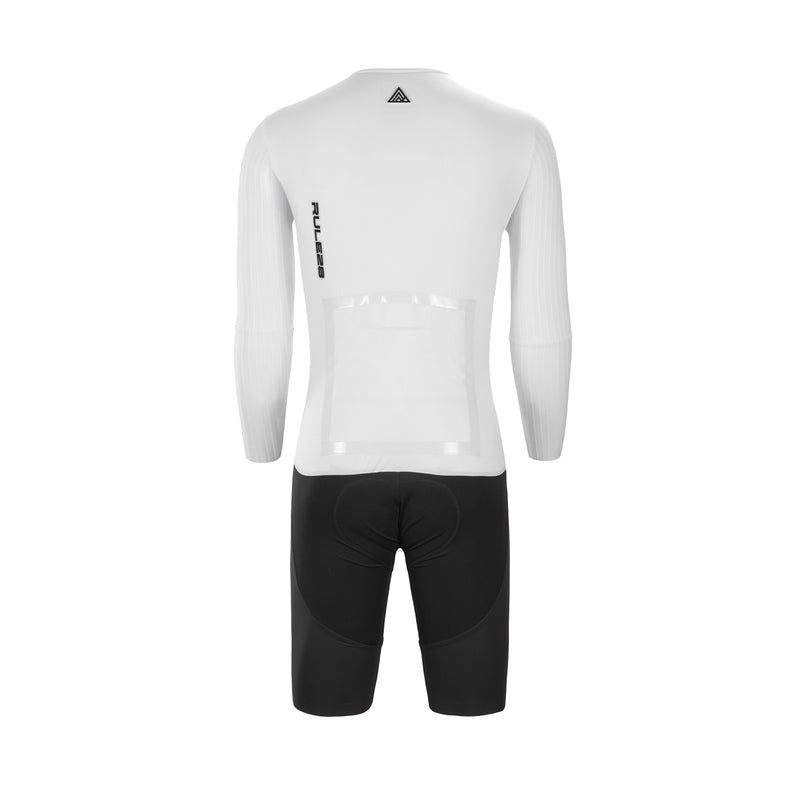
When the seconds on a time trial course are decided by the smallest slice of air resistance, every detail of a rider’s setup becomes critical. An aerodynamic (aero) kit designed specifically for time trial (TT) effort can transform a bike’s drag profile, allowing the cyclist to maintain higher speeds with the same power output. Understanding how a time trial aero kit works, what components matter most, and how to integrate it into a broader performance strategy is essential for anyone looking to shave off precious seconds and achieve consistent aero gains.
What Makes a Time Trial Aero Kit Effective?
A well-engineered aero kit addresses the three primary sources of drag that affect a rider:
- Form drag: The shape of the rider and equipment as they cut through the air.
- Frontal area: The total surface presented to the wind; reducing it lowers resistance.
- Surface roughness: Textiles and coatings that manage airflow to delay turbulence.
By optimizing each of these factors, a TT aero package can deliver measurable performance improvements without requiring the rider to increase power output.
Key Components of a Complete Kit
- Aero helmet: Streamlined shells with integrated visors reduce the turbulent wake behind the head.
- Skin-tight TT suit: Fabric engineered to smooth airflow over the torso and limbs.
- Integrated shoe covers and shoe-cage: Minimize drag from the foot and pedal area.
- Bike-specific aero bars and extensions: Position the rider in a low-drag posture while preserving comfort.
- Wheelset and tire selection: Deep-section rims paired with low-rolling, high-pressure tires complement the kit’s overall aerodynamic profile.
Quantifying the Aero Gains
Studies and wind-tunnel testing consistently show that a full time trial aero kit can reduce drag by 5-10%, translating into speed increases of 0.5-1.5″?km/h at typical TT power levels. The exact benefit depends on rider size, fit, and course conditions, but the principle remains clear: less drag equals higher speed for the same wattage.
Real-World Impact on Performance
- On a flat 20″?km course, a 7″?% drag reduction can shave 30-45″?seconds off the final time.
- In windy conditions, the aerodynamic advantage becomes even more pronounced, as the kit helps maintain a stable airflow around the rider.
- Consistent aero gains improve confidence, allowing riders to focus on pacing rather than fighting the wind.
Integrating Aero Upgrades with Bike Fit
Even the most advanced tt aero package will underperform if the rider’s position is not optimized. A professional bike fit should address:
- Hip angle and saddle setback to keep power output high while staying low.
- Arm extension on aero bars to balance comfort and aerodynamic efficiency.
- Flexibility and core strength, ensuring the rider can sustain the aggressive position for the duration of the effort.
When fit and equipment are aligned, the rider can fully exploit the aerodynamic potential of the kit, turning theoretical gains into tangible time reductions.
Choosing the Right Time Trial Upgrades
Not every component offers the same return on investment. Prioritize upgrades that address the biggest sources of drag for your specific setup:
- Helmet first: A well-designed aero helmet often provides the highest single-item drag reduction.
- Suit second: Modern TT suits with seamless construction and strategic paneling further smooth airflow.
- Wheelset third: Deep-section rims paired with a narrow, high-pressure tire complement the reduced frontal area.
For a comprehensive view of available options, explore the time trial upgrades cycling collection, which categorizes products by performance impact and compatibility.
Maintenance and Longevity
To keep aero performance at its peak, regular maintenance is essential:
- Clean the suit and helmet after each ride to remove dust and grit that can increase surface roughness.
- Inspect wheel rims for dents or deformations that could disrupt airflow.
- Replace worn shoe covers and bar tape, as stretched materials lose their aerodynamic shape.
Proper care not only preserves the aerodynamic benefits but also extends the lifespan of the equipment, delivering better value over time.
Conclusion: Maximizing Aero Gains Time Trial
Investing in a dedicated aero gains time trial kit is a proven method for reducing drag, increasing speed, and achieving more consistent results on the clock. By selecting the right components, integrating them with a precise bike fit, and maintaining the equipment diligently, cyclists can unlock measurable performance improvements without altering their power output. The result is a faster, more efficient ride that turns every second saved into a competitive advantage.