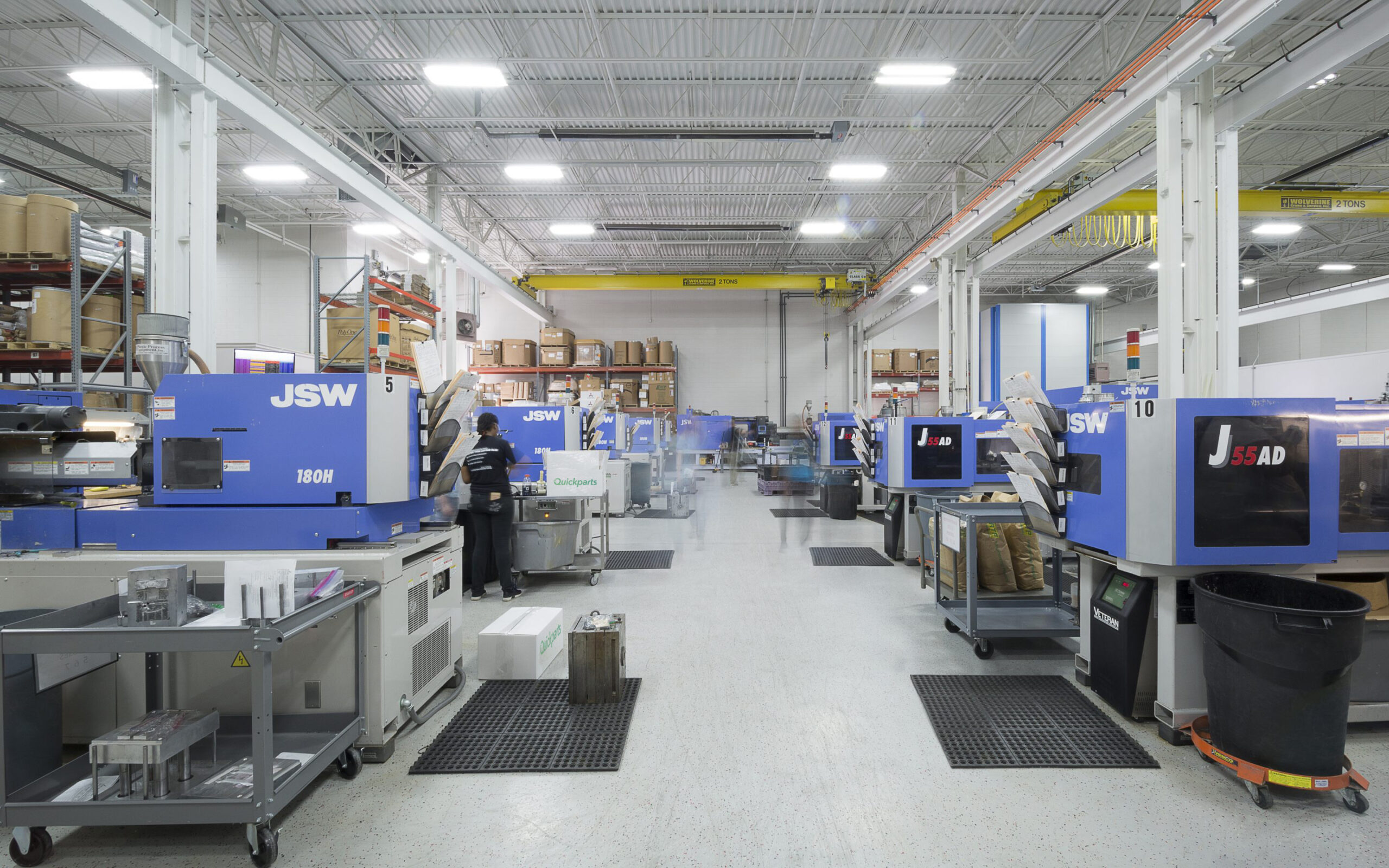
Plastic injection molding is a widely used manufacturing process that allows for the efficient production of a variety of plastic parts. This process involves injecting molten plastic into a mold cavity, where it cools and solidifies into the desired shape. The versatility of injection molding makes it a popular choice for numerous industries, including automotive, consumer goods, electronics, and medical devices. Understanding the intricacies of plastic injection molding can help businesses optimize their production processes and improve product quality.
Understanding the Process
Key Steps in Injection Molding
The plastic injection molding process involves several critical steps, which include:
- Clamping: The mold is held securely in place by a clamping unit to prepare for the injection of plastic.
- Injection: Molten plastic is injected into the mold cavity through a heated barrel and screw-like plunger.
- Cooling: As the plastic cools, it solidifies into the shape of the mold cavity.
- Ejection: Once cooled, the part is ejected from the mold using pins or plates.
For more detailed insights into each of these steps, explore further insights here.
Advantages of Plastic Injection Molding
There are numerous benefits to using plastic injection molding, which include:
- Efficiency: The process is highly efficient once the mold has been designed and tested, allowing for high-volume production.
- Consistency: Injection molding ensures uniformity and precision in the final products.
- Versatility: Capable of producing complex shapes and intricate designs.
- Cost-effectiveness: Low labor costs and minimal material waste reduce overall production costs.
To learn more about the advantages of this manufacturing method, read more about this topic.
Materials Used in Injection Molding
Commonly Used Plastics
Various types of plastics can be utilized in injection molding, each offering distinct properties that suit different applications:
- Polyethylene (PE): Known for its durability and flexibility.
- Polypropylene (PP): Offers excellent fatigue resistance and chemical stability.
- Polystyrene (PS): Commonly used for products requiring clarity and rigidity.
- Polycarbonate (PC): Provides high impact resistance and transparency.
For a comprehensive overview of materials and their applications, find additional information here.
Challenges and Considerations
While plastic injection molding offers numerous benefits, there are challenges that manufacturers must consider:
- Initial Cost: The design and production of molds can be expensive, requiring a significant initial investment.
- Design Complexity: Complex designs may require advanced mold-making techniques.
- Material Selection: Choosing the right material is crucial for achieving desired product characteristics.
- Production Time: Although the process is efficient, the design and testing phase can be time-consuming.
To understand these challenges better and how to address them, learn more in this detailed guide.
Conclusion
Plastic injection molding is a pivotal process in modern manufacturing, offering efficiency, precision, and versatility. By understanding the nuances of the process and the materials involved, businesses can make informed decisions that optimize production and enhance product quality. For those looking to delve deeper into the intricacies of plastic injection molding, explore further insights here.