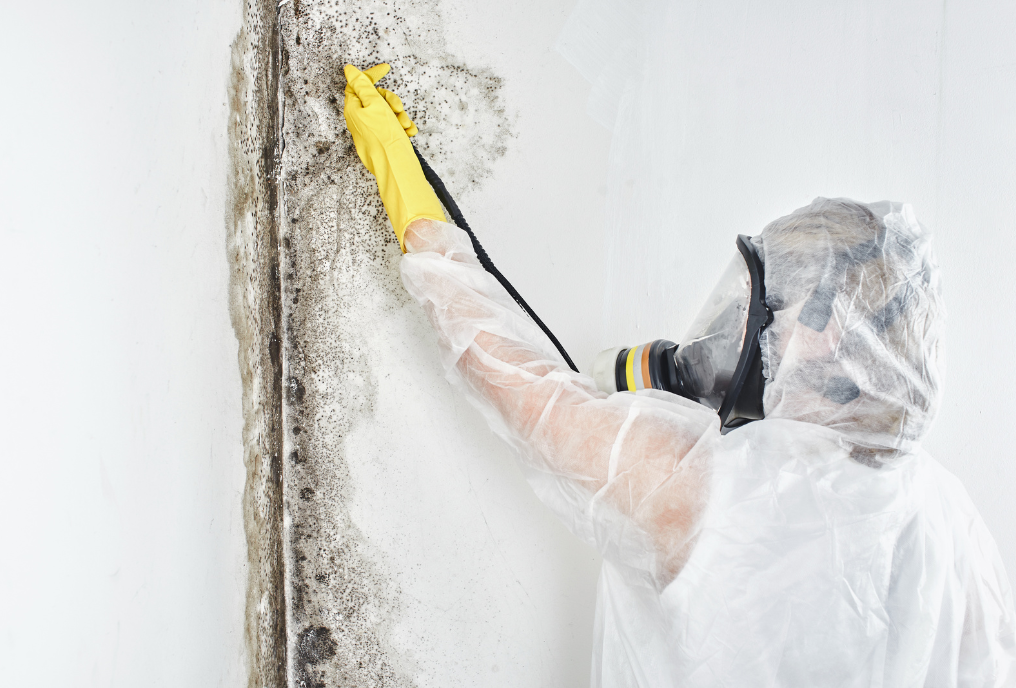
Mold growth in homes and commercial properties can pose significant health risks and structural damage if not addressed promptly. Boca Raton’s humid climate makes it especially prone to mold infestation, necessitating effective remediation strategies. Understanding how to safely and effectively remove mold is crucial for property owners to maintain a safe environment. This article provides a detailed guide on mold remediation, offering expert advice and practical tips for ensuring a mold-free property.
Understanding Mold and Its Implications
Mold is a type of fungus that thrives in warm, damp environments. It can cause a range of health problems, particularly for individuals with respiratory conditions, allergies, or weakened immune systems. Recognizing the signs of mold and acting quickly is essential to minimize its impact.
Common Signs of Mold Infestation
- Musty odors in certain areas of the property.
- Visible patches of mold, often black, green, or white.
- Increased allergy symptoms such as sneezing, coughing, or eye irritation.
- Water stains or discoloration on walls and ceilings.
Steps to Safe Mold Remediation
Effective mold remediation involves a systematic approach to ensure the complete removal of mold and prevention of future growth. Discover expert strategies here.
1. Assessment and Inspection
A thorough inspection is the first step to identify the extent of mold growth and the underlying causes. Professional assessment tools can detect hidden mold that might not be visible to the naked eye.
2. Containment
- Seal off the affected area to prevent mold spores from spreading to other parts of the property.
- Use plastic sheeting and negative air pressure to create a controlled environment.
3. Removal
Remove mold-infested materials safely and dispose of them according to local regulations. This step may involve removing drywall, insulation, and other materials that cannot be effectively cleaned.
4. Cleaning and Disinfection
- Use specialized cleaning agents to kill mold spores on hard surfaces.
- Ensure that personal protective equipment (PPE) is worn during this process to protect against exposure.
5. Restoration
Once the mold has been removed and the area cleaned, restoration involves repairing and rebuilding any damaged parts of the property. Find out more about this approach.
Preventing Future Mold Growth
Prevention is key to avoiding future mold problems. Learn about our tailored solutions to keep your property safe and mold-free.
Effective Prevention Tips
- Maintain a humidity level below 60% using dehumidifiers or air conditioners.
- Ensure proper ventilation in high-moisture areas like bathrooms and kitchens.
- Address water leaks and condensation issues promptly.
- Regularly inspect and clean roof gutters to prevent water accumulation.
Conclusion
A proactive approach to mold remediation ensures the safety and integrity of any property. By understanding the risks associated with mold and following a structured remediation process, property owners can protect their investments and the health of their occupants. Explore advanced guides and tips to ensure effective mold management tailored to your needs.