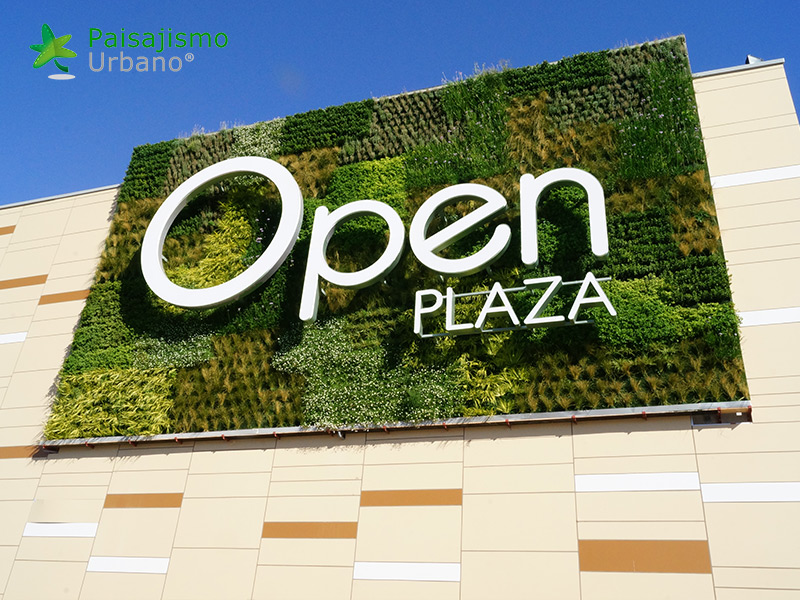
The concept of hydroponic vertical gardens has ushered in a revolutionary way to incorporate greenery into urban spaces. With the increasing urbanization and dwindling horizontal spaces, these gardens offer a feasible solution to cultivate plants in limited areas. By leveraging the principles of hydroponics, which involves growing plants without soil, vertical gardens not only enhance the aesthetic appeal of a place but also contribute to environmental sustainability. As a result, they have become a popular choice for both commercial and residential settings.
The Benefits of Hydroponic Vertical Gardens
Hydroponic vertical gardens come with a multitude of benefits that make them an attractive option for urban dwellers and businesses alike. These include:
- Efficient Use of Space: Vertical gardens maximize the use of vertical space, making them ideal for urban areas with limited horizontal areas.
- Improved Air Quality: Plants act as natural air purifiers, removing toxins and producing oxygen.
- Thermal Insulation: They can act as insulation, reducing energy costs by keeping buildings cooler in summer and warmer in winter.
- Low Maintenance: Hydroponic systems often require less maintenance compared to traditional soil gardening.
To delve deeper into the benefits and strategies for implementing these gardens, discover expert strategies here.
Designing and Implementing a Vertical Garden
Designing a hydroponic vertical garden involves careful planning and consideration of various factors. The key aspects to consider include:
Choosing the Right Plants
Not all plants are suitable for vertical gardens. It’s crucial to select plants that thrive in hydroponic environments and align with the specific conditions of the location. Some popular choices include:
- Herbs like basil, mint, and parsley
- Leafy greens such as lettuce, spinach, and kale
- Ornamental plants like ferns and succulents
Find out more about this approach to planting and how to choose the best species for your garden.
Installation and Maintenance
The process of installing a hydroponic vertical garden requires a strategic approach to ensure optimal growth conditions. Consider the following:
- Lighting: Ensure adequate lighting, whether natural or artificial, to support plant growth.
- Watering System: A reliable watering system is essential to maintain consistent moisture levels.
- Nutrient Management: Regular monitoring and adjustment of nutrients are crucial for plant health.
For comprehensive guides on installation and maintenance, explore advanced guides and tips.
Applications in Various Settings
Hydroponic vertical gardens are versatile and can be adapted to a variety of settings, enhancing both functionality and aesthetics. Some common applications include:
- Commercial Buildings: Enhance the appeal of office buildings, malls, and hotels.
- Residential Spaces: Bring nature into homes and apartments, creating a calming environment.
- Urban Agriculture: Contribute to food production in urban areas, addressing food security challenges.
Learn about our tailored solutions for integrating vertical gardens into different spaces.
The rise of hydroponic vertical gardens is a testament to the growing need for sustainable and space-efficient gardening solutions. With the right knowledge and resources, these gardens can transform any space into a lush, green haven. For further insights and expert advice, explore the resources available at Vertical Gardens Dubai.