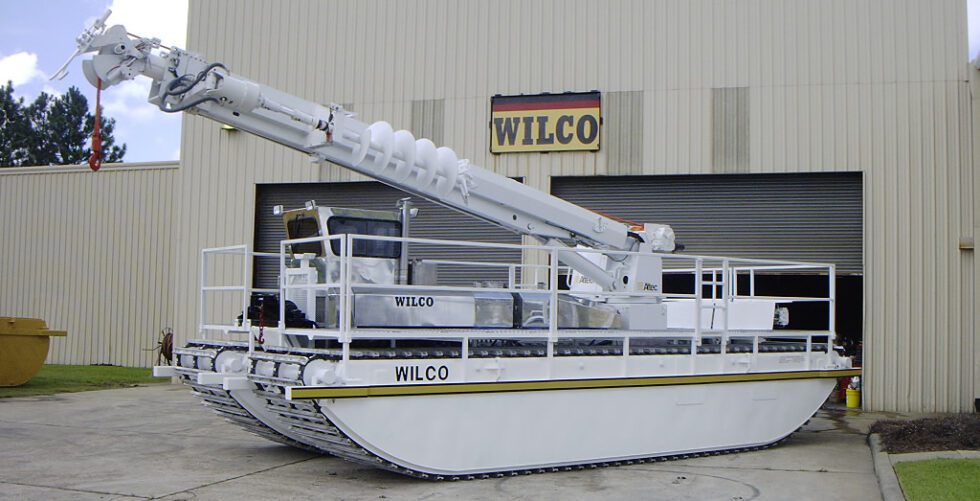
Dredging amphibious equipment plays a vital role in maintaining and enhancing waterways, ensuring they are navigable and environmentally sustainable. These versatile machines are designed to operate in challenging conditions, providing solutions for a variety of dredging projects, from restoring wetlands to managing sediments in shallow water bodies. Understanding the key features and uses of dredging amphibious equipment is crucial for industry professionals seeking to improve their project’s efficiency and effectiveness.
Key Features of Dredging Amphibious Equipment
When selecting dredging amphibious equipment, it is essential to consider several critical features that contribute to their performance and adaptability. Here are some key aspects to keep in mind:
- Amphibious Design: These machines are engineered to operate both on land and in water, making them ideal for projects that require transitioning between different terrains.
- Modular Construction: Many models feature a modular design, allowing for easy transportation and assembly on-site, which reduces downtime and logistical challenges.
- Powerful Hydraulic Systems: Equipped with robust hydraulic systems, these machines can handle heavy-duty tasks, such as cutting through dense vegetation and moving large volumes of sediment.
- Adjustable Flotation: The ability to adjust buoyancy enhances stability and maneuverability in varying water depths and conditions.
- Environmentally Friendly Operation: Designed to minimize ecological impact, these machines often incorporate features such as low-emission engines and precision dredging capabilities.
For more detailed insights into the technical specifications and innovations in dredging equipment, explore advanced guides and tips.
Primary Uses of Dredging Amphibious Equipment
Wetland Restoration
Wetland environments are crucial for biodiversity and environmental health. Dredging amphibious equipment is instrumental in restoring these areas, as it can efficiently remove excess sediment and invasive vegetation, promoting natural water flow and habitat recovery. Learn about our tailored solutions for wetland management.
Flood Control and Waterway Maintenance
Regular dredging is essential for maintaining navigable waterways and preventing flooding. Amphibious dredgers can access shallow and difficult-to-reach areas, ensuring that channels remain clear and water levels are managed effectively. Discover expert strategies here for effective waterway maintenance.
Construction and Infrastructure Projects
In construction, particularly in coastal or riverine environments, dredging equipment is used to prepare sites, build levees, and create foundations for bridges and other structures. Their amphibious nature allows them to work in places where traditional equipment might struggle. Find out more about this approach to infrastructure development.
Benefits of Using Amphibious Equipment
The use of dredging amphibious equipment offers numerous advantages that enhance project outcomes:
- Versatility: Suitable for a wide range of applications, from environmental restoration to construction, enabling project managers to tackle diverse challenges with a single piece of equipment.
- Efficiency: Capable of operating continuously in difficult conditions, these machines reduce project timelines and improve cost-effectiveness.
- Safety: Designed with operator safety in mind, they incorporate features such as remote control operation and reinforced cabins.
- Reduced Environmental Impact: Precision dredging capabilities and eco-friendly designs help minimize the ecological footprint of dredging activities.
Understanding the capabilities and applications of dredging amphibious equipment is crucial for professionals seeking to maximize operational efficiency and achieve sustainable outcomes. For more information on the latest advancements and strategies in dredging technology, explore advanced guides and tips.