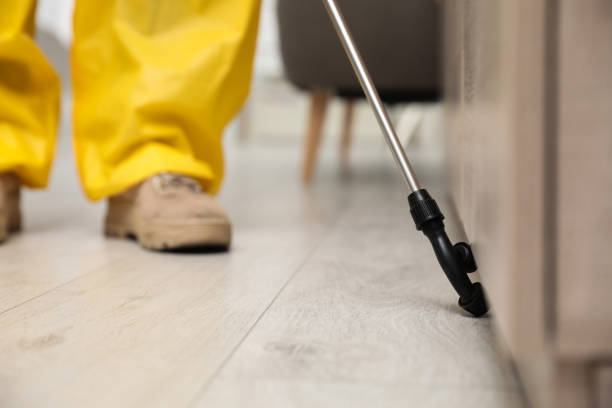
Maintaining a pest-free home is essential not only for comfort but also for health and safety. Pests can cause significant damage to property and create an unhygienic environment, potentially leading to health issues. With effective pest management solutions, homeowners can protect their living spaces from unwanted intruders and maintain a healthy environment. This article explores various strategies for managing pests efficiently in residential settings.
Understanding Common Household Pests
Identifying the type of pests invading your home is the first step in managing them. Common household pests include:
- Rodents such as mice and rats, which can damage property and spread diseases.
- Insects like cockroaches, ants, and termites, known for contaminating food and causing structural damage.
- Spiders, which, while generally harmless, can be a nuisance or cause anxiety.
- Bed bugs, which can cause skin irritation and disrupt sleep.
Understanding the behavior and habitats of these pests is crucial in devising effective control strategies. Read more about this topic to identify pests common in your region and learn about their potential impact.
Preventive Measures for Pest Control
Prevention is always better than cure when it comes to pest management. Implementing the following preventive measures can significantly reduce the likelihood of an infestation:
- Seal entry points: Close gaps in doors, windows, and walls to prevent pests from entering.
- Maintain cleanliness: Regularly clean your home to eliminate attractants like food debris and garbage.
- Proper food storage: Store food in airtight containers to prevent attracting pests.
- Regular maintenance: Inspect and repair leaks or cracks in plumbing to avoid creating a conducive environment for pests.
For a comprehensive understanding of preventive pest control strategies, learn more in this detailed guide.
Effective Pest Management Techniques
Biological Control
Biological control involves using natural predators or pathogens to manage pest populations. This eco-friendly approach can be effective for controlling specific pests, such as introducing ladybugs to manage aphid infestations.
Chemical Control
Chemical control involves using pesticides to eliminate pests. While effective, it’s crucial to use these substances sparingly and responsibly to minimize environmental impact and ensure safety. Always follow the manufacturer’s instructions and consider consulting a professional for application.
Mechanical Control
Mechanical control includes using traps, barriers, or other physical methods to prevent or remove pests. For example, setting mouse traps or using fly screens can help manage rodents and insects without chemicals.
To explore further insights into these techniques, explore further insights here.
When to Seek Professional Pest Control Services
While DIY methods can be effective for minor infestations, significant or persistent pest problems may require professional intervention. Professional pest control services offer:
- Expert knowledge and experience in dealing with various pests.
- Access to specialized equipment and treatments not available to the general public.
- Long-term solutions and preventive measures tailored to individual needs.
Determining when to engage professional services can save time, effort, and potentially costly damage. Find additional information here on how professional pest control can benefit your home.
Conclusion
Effective pest management requires a combination of preventive measures, understanding pest behavior, and applying suitable control techniques. Whether opting for DIY solutions or engaging professional services, maintaining a pest-free home is crucial for health and safety. By staying informed and proactive, homeowners can protect their living spaces from unwanted guests and ensure a comfortable and hygienic environment.