In the industrial sector, air separation plants play a pivotal role in ensuring the efficient extraction of essential gases from the atmosphere. These plants are integral to a variety of industries, including steel manufacturing, chemical processing, and healthcare. By producing high-purity oxygen, nitrogen, and argon, air separation industrial plants significantly enhance production capabilities. This article explores the components and benefits of these plants, their applications, and the future of air separation technologies.
Components of Air Separation Industrial Plants
Air separation plants are sophisticated systems that involve several key components working in harmony to extract and purify gases. These include:
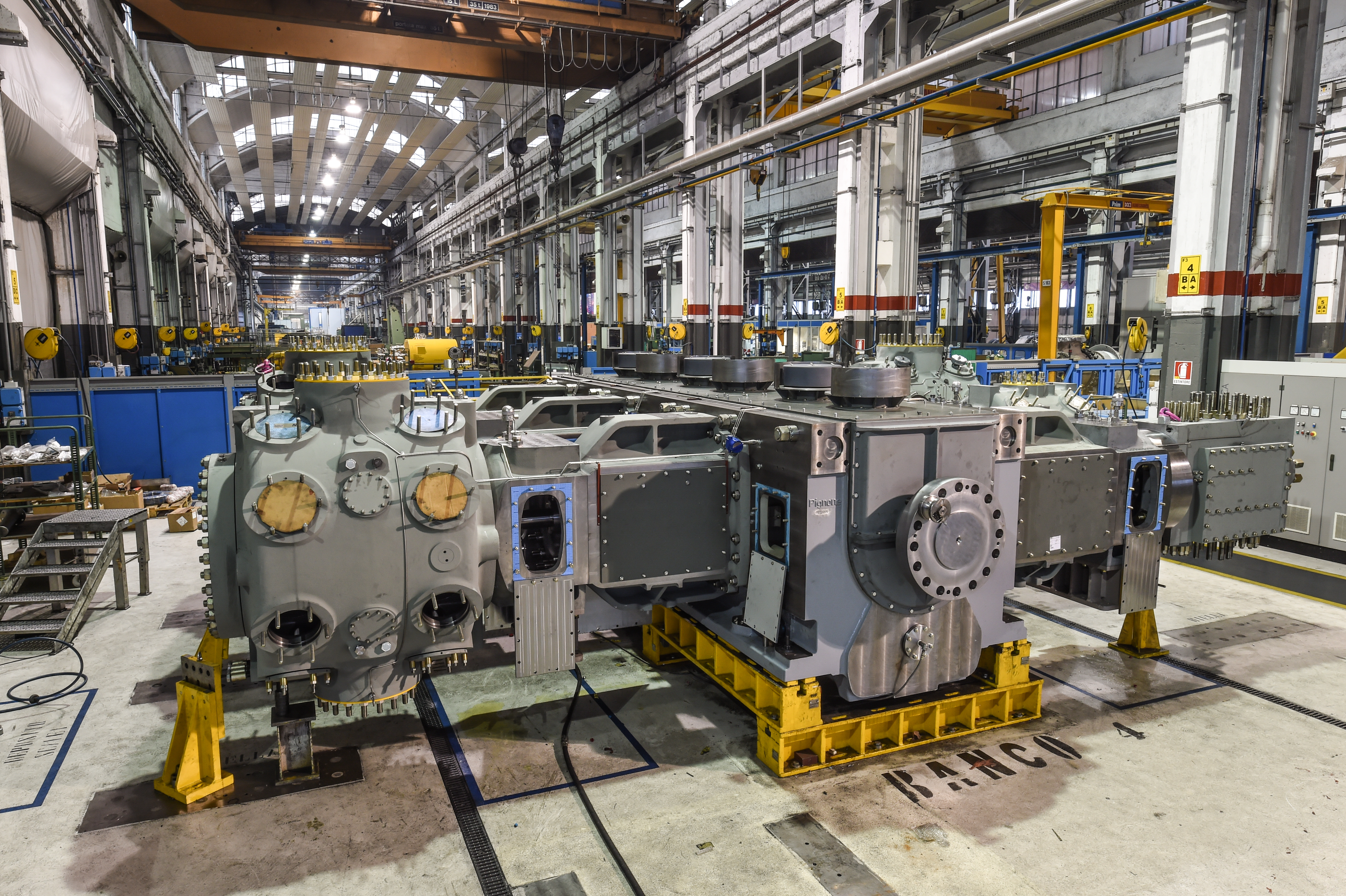
- Compression System: Vital for pressurizing air before it enters the separation process. Often, industrial api 618 compressors are employed due to their reliability and efficiency.
- Distillation Columns: Essential for the physical separation of gases based on boiling points.
- Heat Exchangers: Used to cool the air to cryogenic temperatures, facilitating efficient gas separation.
- Piping and Storage: Ensure the safe transportation and storage of the extracted gases.
Applications of Air Separation Plants
Steel Manufacturing
The steel industry heavily relies on air separation industrial units for the consistent supply of oxygen. Oxygen is crucial for enhancing combustion efficiency in blast furnaces and converters, leading to increased production rates and improved steel quality.
Chemical Processing
In the chemical sector, air separation plants provide nitrogen for inerting and blanketing processes. This prevents unwanted reactions and enhances safety. Additionally, asu industrial oxygen plant facilities are used to produce the oxygen required for various chemical reactions.
Healthcare
Medical-grade oxygen, a lifesaving resource in healthcare, is produced in air separation plants. The stringent purity requirements are met reliably, ensuring hospitals and clinics have access to this critical supply.
Benefits of Air Separation Plants
Implementing an air separation industrial plant brings numerous advantages to industries, such as:
- Efficiency: High-purity gas production enhances operational efficiency and product quality.
- Cost-Effectiveness: Onsite gas production reduces dependency on third-party suppliers, lowering logistics costs.
- Customization: Plants can be tailored to meet specific industry needs, from small-scale setups to large, integrated facilities.
- Sustainability: Modern plants focus on energy-efficient technologies, reducing the carbon footprint.
The Future of Air Separation Technologies
As industries evolve, so do the technologies that support them. The future of air separation plants is poised for innovation, focusing on:
- Advanced Materials: Development of more efficient distillation materials to enhance separation processes.
- Automation: Increased use of AI and IoT for optimized plant operations and predictive maintenance.
- Green Technologies: Emphasis on reducing energy consumption and emissions, aligning with global sustainability goals.
The ongoing advancements in air separation units promise to bolster industrial capabilities while supporting environmental stewardship. By integrating cutting-edge technologies, these plants will continue to play a crucial role in propelling industries toward a more sustainable and efficient future.