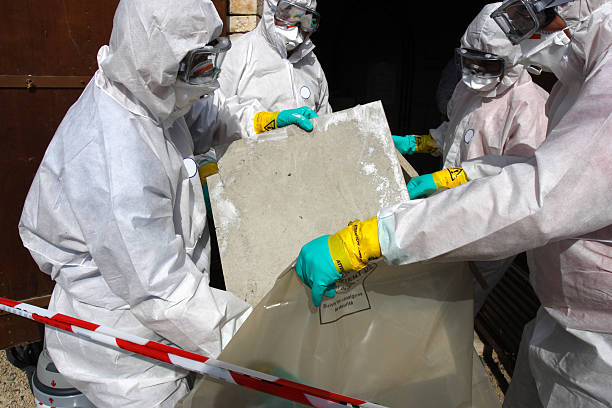
Asbestos disposal is a critical aspect of maintaining safety and health standards in various industries and residential projects. This naturally occurring mineral has been widely used due to its durability and resistance to heat, but exposure to its fibers can lead to serious health issues. Consequently, the disposal of asbestos must be handled with utmost care and precision. This article delves into the importance of safe asbestos disposal services, outlining key considerations, compliance requirements, and effective strategies to ensure safety and compliance with regulations.
Understanding Asbestos Disposal Regulations
Governmental regulations play a crucial role in managing the risks associated with asbestos. These regulations are designed to protect both the environment and human health. Adhering to these guidelines is not only a legal obligation but also a moral one. Failure to comply can result in severe penalties and potentially hazardous exposure.
Key regulatory considerations include:
- Identifying and classifying asbestos-containing materials (ACMs).
- Proper labeling and packaging of asbestos waste.
- Utilizing authorized disposal sites and facilities.
- Maintaining comprehensive records of the disposal process.
Discover expert strategies here to ensure compliance with these critical regulations.
Choosing the Right Asbestos Disposal Services
Selecting a qualified and experienced service provider is essential for the safe disposal of asbestos materials. This decision should be based on several key factors:
- Certification and licensing to handle hazardous materials.
- Proven track record and reputation in the industry.
- Compliance with all local and national safety standards.
- Access to advanced equipment and technology.
Learn about our tailored solutions that cater to diverse disposal needs.
Effective Asbestos Disposal Strategies
Planning and Preparation
Proper planning and preparation are the first steps in ensuring safe asbestos disposal. This includes conducting thorough risk assessments and developing a comprehensive management plan. Professionals in the field emphasize the importance of detailed preparation to prevent exposure and environmental contamination.
Safe Handling and Transportation
The handling and transportation of asbestos must be executed with precision. This involves:
- Utilizing personal protective equipment (PPE) to safeguard workers.
- Sealing and labeling containers to prevent fiber release.
- Transporting waste materials using designated and secure vehicles.
Explore advanced guides and tips for handling and transportation protocols.
Utilizing Specialized Disposal Facilities
Ensuring that asbestos waste is disposed of at specialized facilities is paramount. These facilities are equipped to handle the unique challenges posed by asbestos waste, thus minimizing risks to the environment and public health.
Find out more about this approach and how it contributes to a safer disposal process.
Conclusion
The safe disposal of asbestos is a complex but essential process that requires adherence to strict regulations and the use of skilled professionals. By understanding regulatory requirements, choosing the right disposal services, and employing effective strategies, the risks associated with asbestos can be significantly mitigated. For further guidance and specialized disposal solutions, explore advanced guides and tips provided by industry experts.