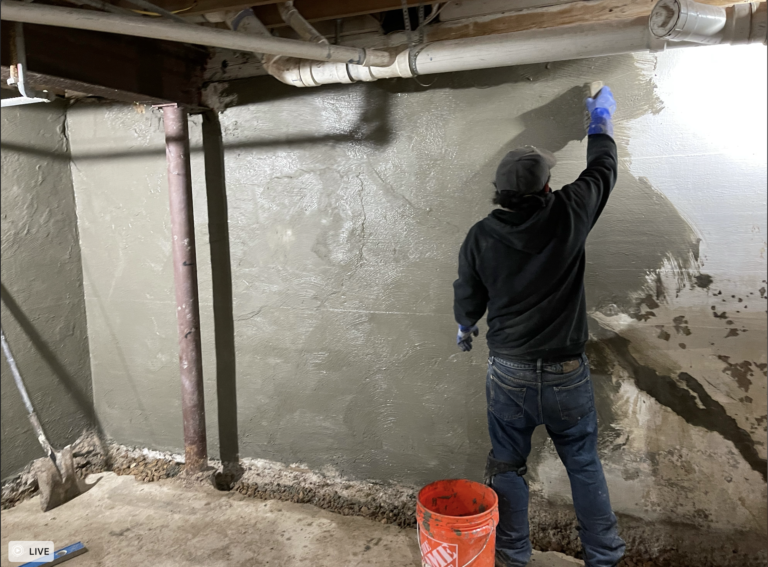
Basement foundation waterproofing is a critical aspect of maintaining the structural integrity and longevity of a building. Water infiltration can lead to serious issues such as mold growth, structural damage, and a decrease in property value. By taking proactive measures to waterproof a basement foundation, property owners can ensure a dry and secure environment. This article outlines the essential steps for effective basement foundation waterproofing, providing insights into proven methods and materials.
Understanding the Need for Waterproofing
Before diving into the steps for waterproofing, it’s important to understand why it’s necessary:
- Prevents water damage and mold growth.
- Maintains the integrity of the building structure.
- Enhances property value and longevity.
Explore advanced guides and tips to further understand the importance of waterproofing.
Initial Assessment and Planning
Conduct a Thorough Inspection
The first step in basement foundation waterproofing is to conduct a detailed inspection to identify any existing problems or potential risks. During the inspection, look for:
- Cracks or gaps in the foundation walls.
- Signs of water seepage or standing water.
- Mold or mildew presence.
Discover expert strategies here to effectively assess and identify waterproofing needs.
Choosing the Right Waterproofing Method
External Waterproofing
External waterproofing involves applying a waterproof barrier on the outside of the foundation walls. This method is highly effective in preventing water from entering the basement:
- Install drainage systems to direct water away from the foundation.
- Apply a waterproof membrane to the exterior walls.
- Consider a protective coating for additional security.
Find out more about this approach to external waterproofing methods.
Internal Waterproofing
Internal waterproofing methods focus on managing water that has already entered the basement:
- Install interior drainage systems like French drains.
- Use sealants to close cracks and gaps inside the walls.
- Consider sump pumps to remove accumulated water.
Learn about our tailored solutions for effective internal waterproofing.
Regular Maintenance and Monitoring
Even after implementing waterproofing solutions, regular maintenance is essential to ensure their effectiveness. Key steps include:
- Regularly inspect and clean drainage systems.
- Check for new cracks or signs of water intrusion.
- Maintain sump pumps and ensure they are operational.
Explore advanced guides and tips to maintain and monitor waterproofing systems effectively.
Investing in basement foundation waterproofing is crucial for safeguarding a property’s value and structural integrity. By following these essential steps and regularly maintaining waterproofing systems, property owners can ensure a dry, healthy, and secure basement environment. For more detailed information and to explore customized solutions, visit this comprehensive resource.