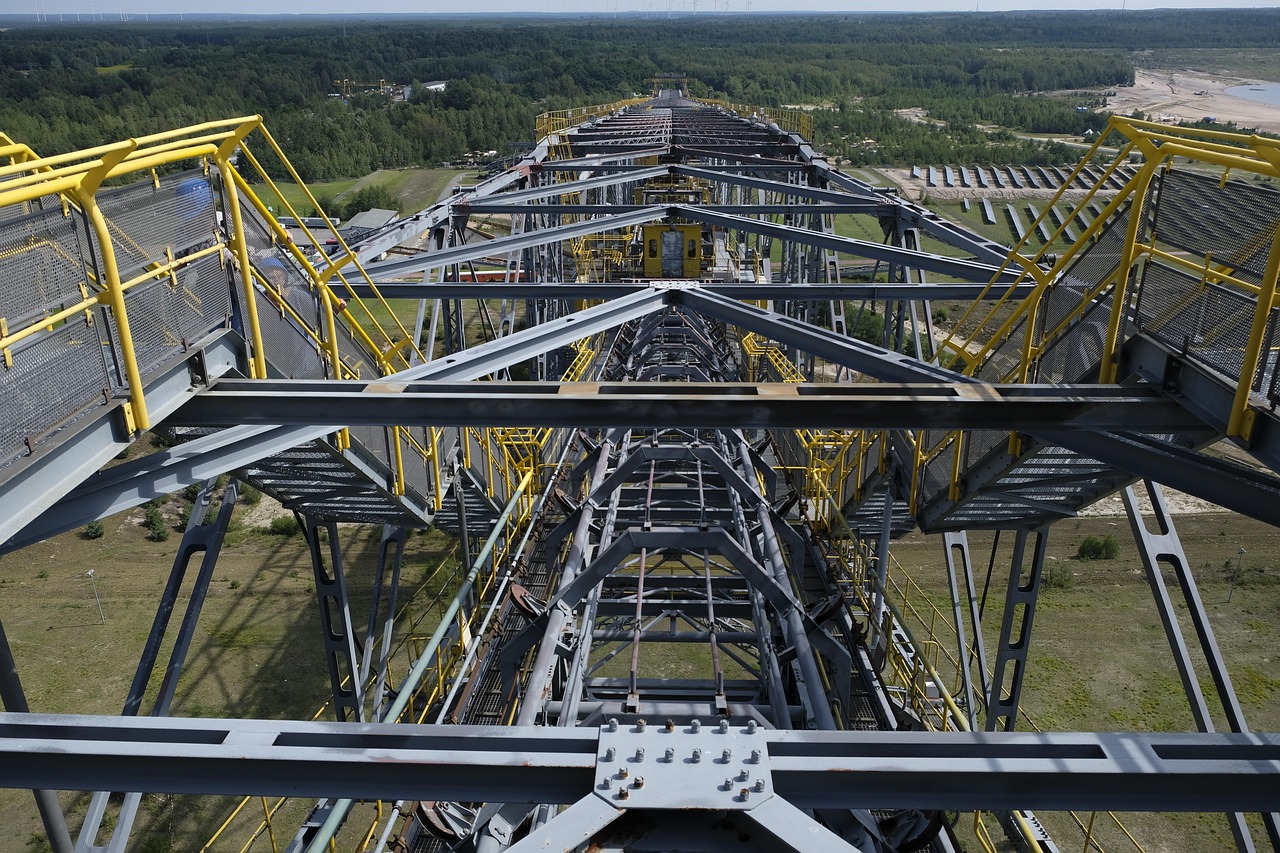
Belt conveyors are a fundamental component in the material handling industry, recognized for their efficiency in transporting bulk materials over both short and long distances. Integral to the smooth functioning of these systems are carrying idlers, which play a critical role in supporting the conveyor belt and the load carried on it. Understanding the intricacies of carrying idlers can significantly enhance operational efficiency and reduce maintenance costs.
The Role of Carrying Idlers in Belt Conveyors
Carrying idlers are strategically placed along the length of a conveyor belt to provide support and stability. These components are pivotal in ensuring that the belt does not sag or become misaligned, which can lead to material spillage or equipment wear.
Key Functions of Carrying Idlers
- Support the weight of the conveyed material.
- Maintain the belt alignment, preventing edge damage.
- Minimize friction and wear on the belt.
- Contribute to energy efficiency by reducing drag.
For more detailed insights into the design and placement of idlers, discover expert strategies here.
Types of Carrying Idlers
Carrying idlers come in various designs, each suited for specific types of materials and conveyor setups. The selection of the appropriate idler type is crucial for optimizing performance and ensuring longevity.
Common Types of Carrying Idlers
- Flat Carrying Idlers: Ideal for conveyors with a flat belt, these idlers provide stable support and are typically used in applications where the belt is not required to form a trough.
- Troughing Idlers: Featuring angled rollers that form a trough shape, these are used for transporting bulk materials, providing optimal load support and containment.
- Impact Idlers: Positioned at loading points, these idlers are equipped with shock-absorbing rollers to cushion the impact of heavy materials being loaded onto the conveyor.
To explore advanced guides and tips on selecting the right type of idlers for your system, learn about our tailored solutions.
Maintenance and Optimization
Regular maintenance of carrying idlers is essential to ensure the longevity of the conveyor system and prevent unexpected downtimes. Proper maintenance includes regular inspections, lubrication, and the replacement of worn-out parts.
Best Practices for Maintenance
- Conduct periodic visual inspections for any signs of wear or misalignment.
- Ensure that all moving parts are adequately lubricated to minimize friction.
- Replace damaged rollers or brackets promptly to prevent further damage.
- Keep the area around the idlers clean to prevent debris from causing jams.
For a comprehensive approach to maintenance, find out more about this approach.
Conclusion
Carrying idlers are indispensable components in the efficient operation of belt conveyors. Their proper selection, installation, and maintenance can lead to significant improvements in system efficiency and longevity. By understanding the different types and functions of carrying idlers, businesses can make informed decisions that enhance productivity and reduce operational costs. For those looking to optimize their conveyor systems, it is beneficial to explore advanced guides and tips that align with specific operational requirements.