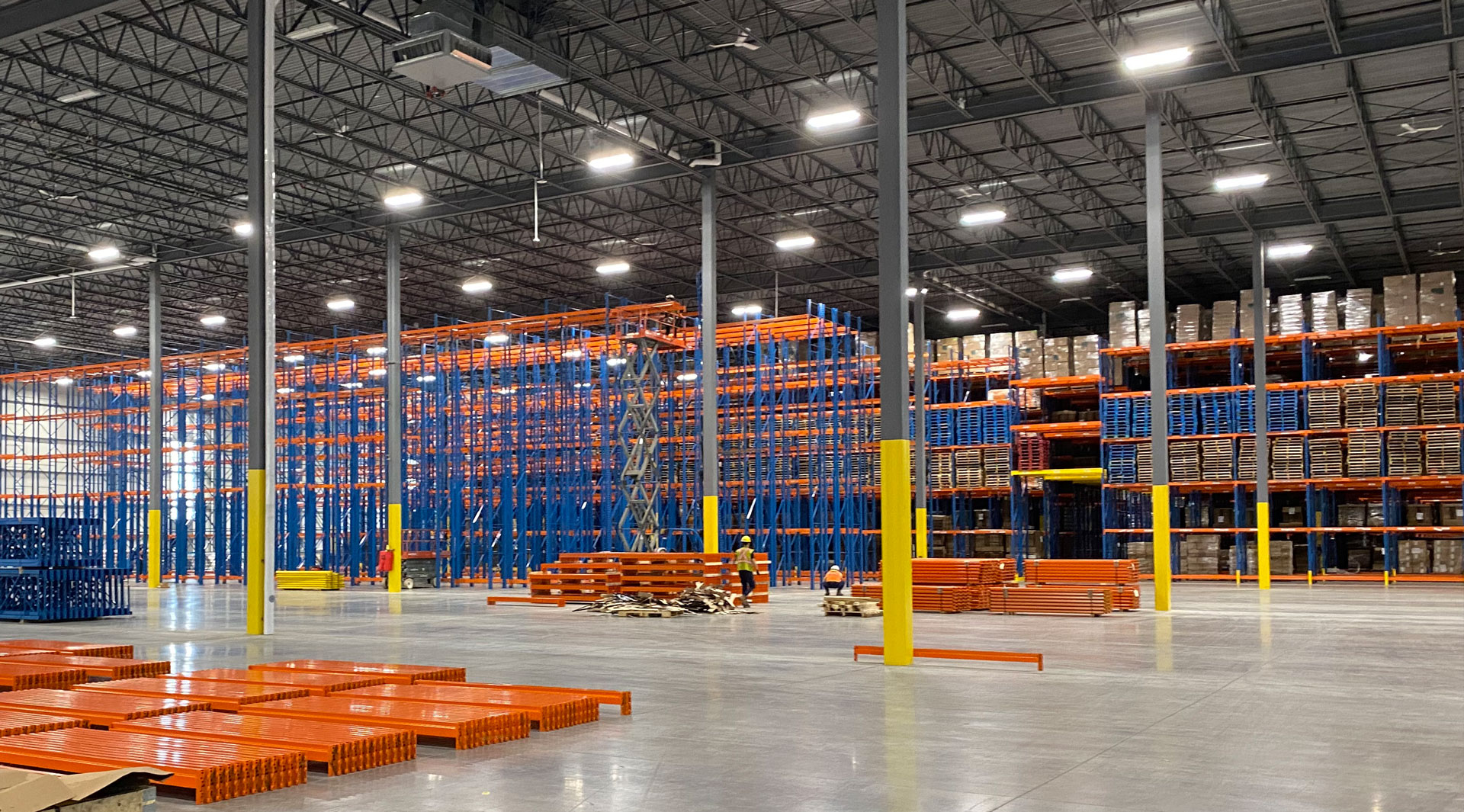
In the modern logistics and supply chain sectors, the significance of effective warehouse management cannot be overstated. Central to this management is the implementation of efficient pallet racking systems. These systems not only maximize available space but also streamline operations, enhance safety, and improve inventory management. Understanding the various types of pallet racking systems can be crucial for businesses seeking to optimize their storage solutions. By exploring these systems, companies can tailor their storage strategies to meet specific operational needs and constraints.
Selective Pallet Racking
Selective pallet racking is the most common type of racking system used in warehouses. Its popularity stems from its simplicity and versatility. Key features include:
- Direct access to each pallet, making it ideal for businesses with a diverse range of products.
- Compatibility with various types of forklifts.
- Cost-effectiveness due to its straightforward design.
For those considering selective racking, it’s essential to evaluate the specific needs of the warehouse. Discover expert strategies here to enhance space utilization effectively.
Drive-In and Drive-Through Racking
These systems are designed for high-density storage, suitable for homogeneous products. While similar, they have distinct operational differences:
Drive-In Racking
This system allows forklifts to enter from one side, storing products deep within the racks. Key characteristics include:
- First-In, Last-Out (FILO) storage model.
- Optimal for storing large quantities of similar products.
- Efficient use of space, reducing aisle requirements.
Drive-Through Racking
Similar to drive-in racks, but with access from both ends, facilitating a First-In, First-Out (FIFO) system. Benefits include:
- Improved product rotation.
- Ideal for perishable goods requiring FIFO inventory management.
- Enhanced accessibility and operational efficiency.
Learn about our tailored solutions for drive-in and drive-through racking systems here.
Push Back Racking
Push back racking systems are designed for high-density storage while maintaining selectivity. They operate on a Last-In, First-Out (LIFO) principle:
- Multiple pallets are stored on inclined rails, allowing pallets to be pushed back as new ones are added.
- Quick and efficient loading and unloading processes.
- Maximizes storage space without compromising accessibility.
For businesses looking to integrate push back systems, find out more about this approach to improve operational efficiency.
Pallet Flow Racking
Also known as gravity flow racking, this system is ideal for a First-In, First-Out (FIFO) inventory model. Key advantages include:
- Utilizes gravity to move pallets along inclined rollers.
- Ensures efficient stock rotation, particularly beneficial for time-sensitive products.
- Reduces labor costs due to automated stock movement.
Explore advanced guides and tips on integrating pallet flow systems for optimal inventory management.
Conclusion
The choice of a pallet racking system significantly influences warehouse efficiency and productivity. By understanding the distinctive features and advantages of each system, businesses can make informed decisions that align with their operational goals and product requirements. Whether maximizing space with selective racking or ensuring efficient product rotation with pallet flow systems, the right strategy can transform warehouse operations. Learn more about tailored solutions to meet specific storage needs and drive business success.