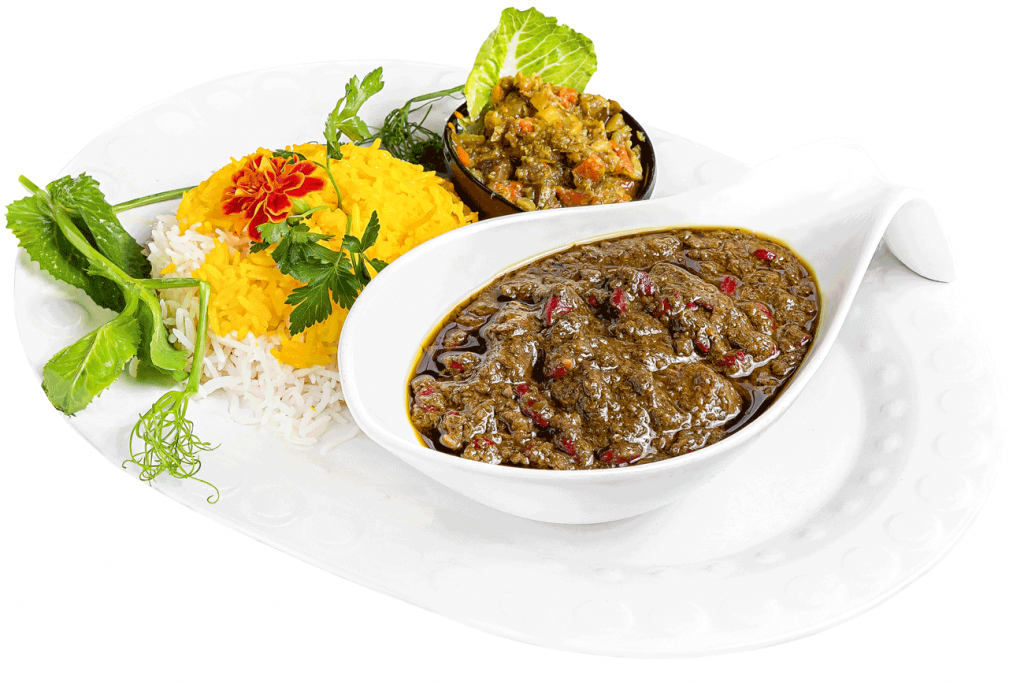
The rich tapestry of Persian cuisine reflects a long-standing history of cultural exchange, innovation, and tradition. This culinary art form is celebrated for its intricate flavors, aromatic spices, and unique cooking techniques. Persian cuisine is not just about satisfying hunger; it’s about an experience that tantalizes the senses, offering a glimpse into the heart and soul of Persian culture. Whether one is indulging in a lavish spread of saffron-infused dishes or exploring the simplicity of a humble stew, the culinary journey is as diverse as Persia?s storied past.
The Essence of Persian Flavors
The foundation of Persian cuisine is built upon a few key ingredients that are skillfully combined to create a symphony of flavors. These include:
- Saffron: Often referred to as “red gold,” saffron is a staple in Persian cooking, imparting a rich color and distinctive taste.
- Herbs: Fresh herbs such as parsley, cilantro, mint, and dill are frequently used to enhance the freshness of dishes.
- Fruits: Dried and fresh fruits like pomegranates, apricots, and raisins are integrated into both savory and sweet dishes.
- Nuts: Almonds, pistachios, and walnuts add texture and richness to many recipes.
To explore advanced guides and tips on incorporating these flavors into everyday meals, discover expert strategies here.
Iconic Persian Dishes
Kebabs: The Heart of Persian Barbecue
Kebabs are a quintessential part of Persian cuisine, offering a variety of meat options cooked to perfection over an open flame. Each region in Iran has its unique take on these grilled delights. Some popular variations include:
- Koobideh: Minced meat seasoned with onions and spices.
- Barg: Marinated lamb or beef, thinly sliced for a tender bite.
- Jujeh: Chicken marinated in saffron and lemon juice.
For those interested in learning about our tailored solutions in preparing authentic Persian kebabs, find out more about this approach.
Stews: A Symphony of Flavors
Persian stews, or “khoresht,” are a staple of the traditional meal. These slow-cooked dishes are known for their depth of flavor and hearty ingredients. Some noteworthy stews include:
- Ghormeh Sabzi: A fragrant stew of herbs, kidney beans, and tender lamb.
- Fesenjan: A sweet and sour stew made with pomegranate paste and ground walnuts.
- Gheymeh: A tomato-based stew with split peas and lamb, often garnished with fried potatoes.
For a comprehensive understanding of these culinary treasures, learn about our tailored solutions.
Persian Rice: A Culinary Masterpiece
Rice, or “polo,” is the crowning glory of Persian cuisine, often elevated to an art form with techniques that create fluffy grains and a crispy crust known as “tahdig.” There are various methods to prepare Persian rice, such as:
- Chelow: Plain, steamed rice often served with kebabs.
- Sabzi Polo: Rice mixed with fresh herbs, typically served with fish.
- Shirin Polo: A sweet rice dish with candied orange peel and nuts.
To explore advanced guides and tips on perfecting Persian rice, explore advanced guides and tips.
Conclusion
Persian cuisine is a journey through history, flavor, and culture, inviting diners to experience a world of culinary delight. For those wishing to immerse themselves in this rich tradition, the wealth of resources available makes it accessible for both novice cooks and culinary aficionados. Discover expert strategies here to begin exploring the delightful world of Persian food.