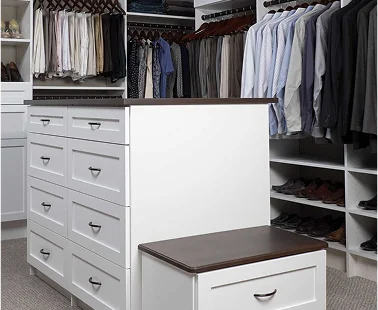
In the bustling urban landscape of Chicago, maximizing every square inch of living space is paramount. As residents seek to create homes that are both stylish and functional, the demand for expertly designed closets has surged. A well-executed closet design not only enhances the aesthetics of a home but also facilitates efficient organization, making daily routines smoother and more enjoyable. With the right planning and execution, even the most compact spaces can be transformed into highly functional areas that reflect both personal style and practicality.
Understanding the Essentials of Closet Design
Creating a functional closet begins with understanding the essentials. Every closet is unique, and its design should cater to individual needs and preferences. Here are some key considerations:
- Space Assessment: Evaluate the available space to determine the best layout and design elements. Measure the dimensions carefully to avoid errors.
- User Needs: Consider the user?s lifestyle and storage needs. A closet for a fashion enthusiast might prioritize hanging space, while one for a sports enthusiast may require more shelving.
- Accessibility: Ensure that frequently used items are easily accessible. This may include adjustable shelving or pull-out drawers.
- Lighting: Adequate lighting is crucial for visibility. Incorporate LED lighting solutions for energy efficiency and longevity.
Tailored Solutions for Every Space
Tailored closet solutions can significantly enhance both small and large spaces. Custom designs allow for flexibility and personalization, ensuring that every item has its place. Learn about our tailored solutions that can transform any space into a well-organized haven.
The Role of Technology in Closet Design
Incorporating technology into closet design introduces a new level of convenience and innovation. From smart lighting systems to automated storage solutions, technology can simplify and enhance the functionality of closets.
- Smart Lighting: Motion-sensor lighting systems provide convenience and energy savings. They automatically illuminate the space when movement is detected.
- Automated Storage: Motorized racks and shelves can make accessing items easier, especially in high or hard-to-reach areas.
- Inventory Management: Advanced systems can track clothing and accessories, helping users to manage their wardrobe more efficiently.
For those interested in the latest technological advancements in closet design, find out more about this approach to integrate smart solutions into your home.
Expert Strategies for Organized Living Spaces
Organized living spaces are within reach with the right strategies. Here are expert tips to achieve a clutter-free, efficient closet:
- Declutter Regularly: Periodically assess the contents of your closet and remove items that are no longer needed.
- Categorize and Label: Group similar items together and use labels to make finding things easier.
- Use Vertical Space: Maximize storage by utilizing vertical space for shelving or additional hanging areas.
- Incorporate Multi-Functional Furniture: Consider furniture that offers hidden storage, like ottomans or benches with compartments.
To delve deeper into effective organization techniques, explore advanced guides and tips that can help streamline your living spaces.
Conclusion
A well-designed closet is a cornerstone of an organized home, especially in space-conscious cities like Chicago. By understanding essential design elements, integrating technology, and employing expert organization strategies, residents can create functional and aesthetically pleasing spaces. For those looking to transform their closets into highly efficient areas, discover expert strategies here to make informed choices and enhance living environments.