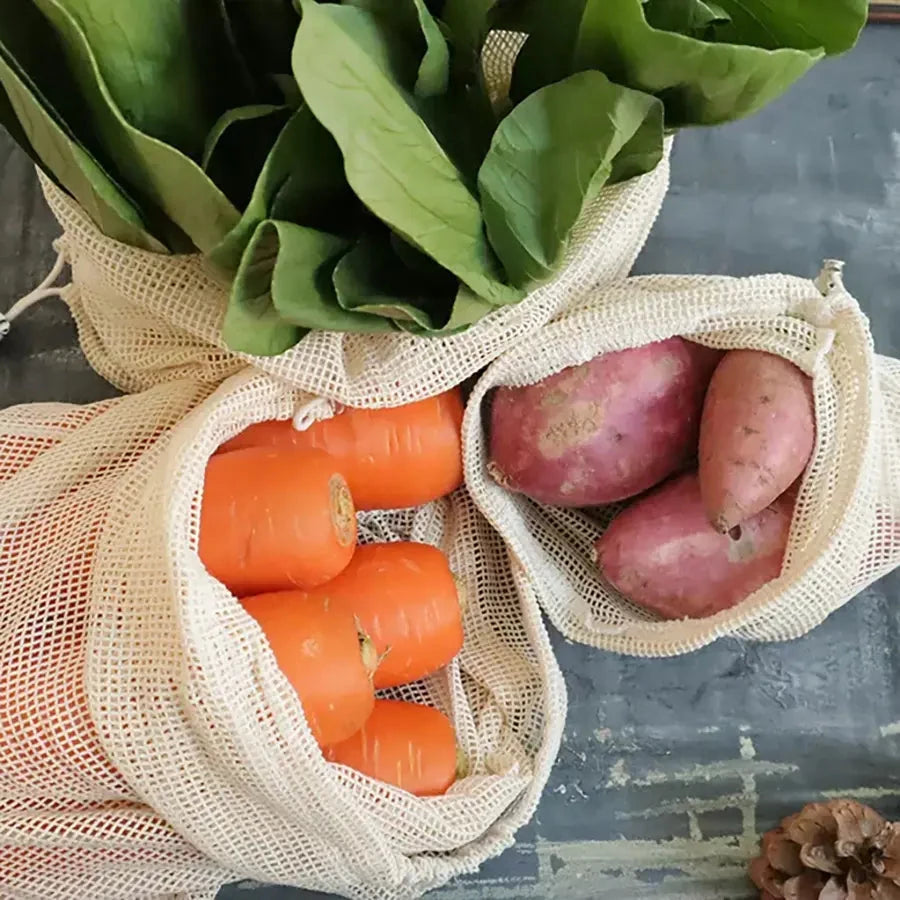
In today’s environmentally conscious world, making sustainable choices is more important than ever. One simple yet impactful change individuals can adopt is the use of reusable produce bags. These bags are not only a sustainable alternative to single-use plastic bags, but they also offer a range of benefits that extend beyond environmental conservation. As awareness about sustainable living grows, so does the demand for practical solutions that align with eco-friendly values. Reusable produce bags emerge as a compelling choice for consumers seeking to reduce their ecological footprint while maintaining convenience and functionality in their daily lives.
The Environmental Impact of Single-Use Plastics
Single-use plastics have long been a significant contributor to environmental pollution. The production and disposal of these plastics have several adverse effects:
- Contribute to landfill overflow and marine pollution.
- Take hundreds of years to decompose, releasing harmful toxins into the soil and water.
- Lead to wildlife endangerment, as animals often ingest or become entangled in plastic waste.
By switching to eco friendly produce bags, consumers can significantly reduce their plastic consumption and contribute positively to environmental preservation.
Advantages of Reusable Produce Bags
Durability and Longevity
Reusable produce bags are designed to last. Made from sturdy materials such as organic cotton or recycled polyester, these bags can withstand repeated use without tearing or wearing out easily. This durability translates to long-term savings for consumers as they do not need to frequently replace their bags.
Versatility and Convenience
These bags are versatile and can be used for various purposes beyond grocery shopping. They are perfect for storing loose items like fruits, vegetables, and even bulk items such as grains and nuts. Many reusable bags are also machine washable, making them easy to clean and maintain.
Space-Efficient Design
Modern reusable produce bags are designed to be lightweight and easy to fold, allowing them to be stored compactly in a purse or backpack. This means they can be readily available whenever needed, reducing the reliance on disposable plastic bags.
How to Choose the Right Reusable Produce Bag
When selecting reusable produce bags, consider the following factors to ensure they meet your needs:
- Material: Opt for bags made from sustainable materials such as organic cotton, hemp, or recycled plastics.
- Size: Choose a variety of sizes to accommodate different types of produce and bulk items.
- Closure: Look for bags with secure closures, such as drawstrings or zippers, to keep contents safe.
- Transparency: Some bags offer mesh designs for easy visibility of contents, which can be helpful during checkout.
By investing in the right bags, consumers can enjoy the benefits of functionality, sustainability, and style.
Integrating Reusable Bags into Daily Life
Adopting reusable produce bags is a step towards a zero-waste lifestyle. Here are some tips for incorporating them into everyday routines:
- Keep a set of bags in your car or by the front door to remember them for grocery trips.
- Involve family members in the process to instill sustainable habits early on.
- Use these bags for purposes beyond groceries, such as organizing travel items or storing household goods.
Embracing reusable bags is an easy yet effective way to make a positive impact on the environment, encouraging others to follow suit.
Conclusion
As the movement towards sustainability gains momentum, reusable produce bags stand out as a practical solution for reducing environmental impact. They offer a multitude of benefits, from reducing plastic waste to providing convenience and durability. By choosing eco friendly produce bags, consumers are making a conscious decision to protect the planet while enhancing their shopping experience. The shift to these bags is a small change with significant potential for positive environmental impact, embodying a step forward in the quest for a greener future.