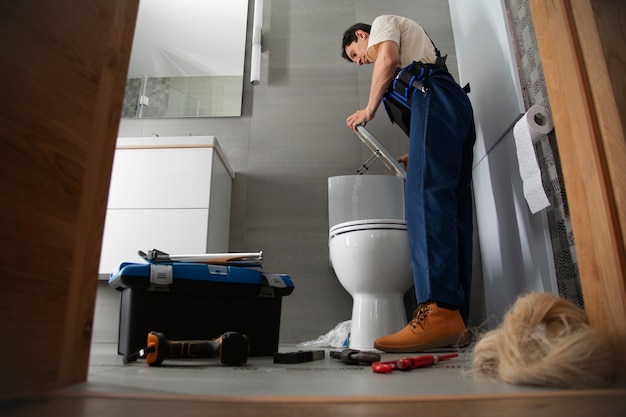
Water damage in a home can be a homeowner’s nightmare, often leading to costly repairs and potential health hazards if not handled promptly and effectively. One of the most critical steps in addressing water damage is proper water extraction. This process involves removing excess water from the affected area to prevent further damage and promote a healthy living environment. Understanding how to safely and efficiently carry out water extraction in your home is vital. With the right knowledge and tools, homeowners can mitigate the impact of water damage and ensure their property is restored to its original condition.
Understanding Water Extraction
Water extraction is the process of removing standing water and excess moisture from an environment. This process is crucial in preventing mold growth, structural damage, and other problems associated with prolonged water exposure. It involves using specialized equipment and techniques to ensure that all hidden and visible water is removed from the affected areas.
Key Steps in Water Extraction
- Assess the Damage: Begin by evaluating the extent of the water damage. Determine the source of the water and the areas affected. This assessment will help you decide on the appropriate equipment and methods to use.
- Ensure Safety: Before starting any extraction process, prioritize safety. Turn off electrical sources and wear protective gear to avoid hazards.
- Remove Standing Water: Use pumps or vacuums designed for water extraction to remove standing water. This step is crucial to prevent the water from spreading to other parts of the home.
- Dry the Area: Once the bulk of the water is removed, utilize fans and dehumidifiers to dry the area thoroughly. This step is essential in preventing mold and mildew growth. Explore advanced guides and tips for effective drying techniques.
When to Call a Professional
While some water extraction tasks can be handled independently, certain situations require professional intervention. Understanding when to enlist expert help can save time and prevent further damage.
Signs You Need Professional Help
- Extensive Damage: If the water damage covers a large area or involves multiple rooms, it is best to seek professional assistance.
- Contaminated Water: Handling water from sources such as sewage backups or floodwaters requires specialized treatment due to health risks.
- Persistent Moisture: If moisture persists despite efforts to dry the area, professionals can use specialized equipment to ensure thorough drying. Learn about our tailored solutions for persistent issues.
Preventing Future Water Damage
Prevention is always better than cure. Implementing preventive measures can help avoid future water damage and the need for water extraction. Discover expert strategies here to protect your home.
Effective Prevention Tips
- Regular Maintenance: Conduct regular inspections of plumbing systems, roofs, and gutters to identify and repair potential issues before they lead to water damage.
- Install Water Alarms: Water alarms can alert you to leaks and standing water, allowing for quick action to prevent damage.
- Proper Landscaping: Ensure that your landscaping directs water away from your home’s foundation to prevent seepage and flooding.
- Invest in Quality Materials: Use water-resistant materials in areas prone to moisture, such as basements and bathrooms.
Water extraction is an essential component of managing water damage in the home. By understanding the process and taking appropriate preventive measures, homeowners can protect their property and ensure a safe living environment. Whether tackling minor issues independently or calling in professionals for extensive damage, the key is to act quickly and efficiently. Find out more about this approach to handling water extraction and safeguarding your home from future incidents.