The decision to consider an abortion can be deeply personal and complex, often influenced by various factors including health, personal circumstances, and beliefs. One option available for terminating a pregnancy in the early stages is the abortion pill, which involves a medical procedure using medication. This article aims to provide important information about the abortion pill, detailing how it works, its benefits and risks, and what individuals can expect from the process. By understanding these elements, individuals can make informed decisions about their reproductive health.
Understanding the Abortion Pill
What is the Abortion Pill?
The abortion pill is a form of medical abortion that involves taking two different medications: mifepristone and misoprostol. It is typically used during the first 10 weeks of pregnancy. Mifepristone works by blocking the hormone progesterone, which is necessary for pregnancy to continue. Misoprostol induces contractions to expel the pregnancy from the uterus.
How Effective Is It?
The abortion pill is highly effective, with a success rate of approximately 95-98% when used within the first 10 weeks of pregnancy. It’s important to follow the prescribed procedure strictly to ensure the best possible outcome. For more detailed guidelines and support, you can find out more about this approach.
Benefits and Risks
Advantages of the Abortion Pill
- Non-surgical: The abortion pill is a non-invasive procedure, which can be beneficial for those who prefer to avoid surgery.
- Privacy: It allows individuals to undergo the process in the comfort of their own home or a private setting.
- Accessibility: The abortion pill is widely available and can be obtained from many healthcare providers.
- Less invasive: It avoids the risks associated with surgical procedures, such as infection or anesthesia complications.
Potential Risks
While generally safe, the abortion pill can have side effects and possible complications, including:
- Incomplete abortion, requiring further medical intervention.
- Heavy bleeding or prolonged spotting.
- Nausea, vomiting, or diarrhea.
- Cramping and abdominal pain.
It’s essential to consult healthcare professionals before taking the abortion pill to discuss these risks and ensure a safe experience. Explore advanced guides and tips for a comprehensive understanding.
What to Expect
Before Taking the Abortion Pill
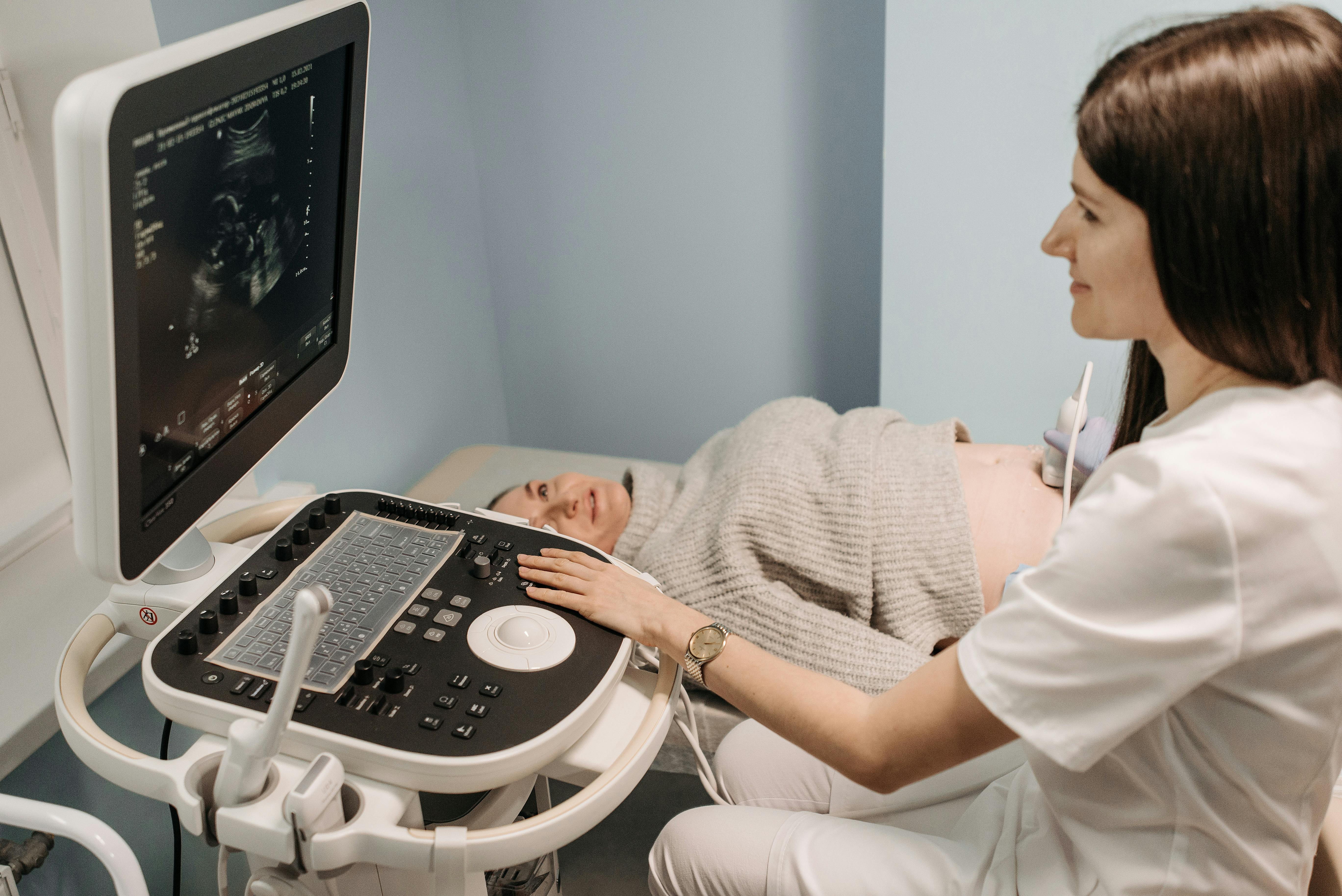
Prior to taking the abortion pill, a healthcare provider will typically conduct an assessment to confirm the pregnancy and determine its duration. This may involve an ultrasound or blood tests. Understanding the process beforehand can help set realistic expectations and alleviate concerns. Discover expert strategies here to prepare effectively.
During the Procedure
The process involves the following steps:
- Taking mifepristone at a healthcare facility, which blocks progesterone.
- Taking misoprostol at home or in a clinic, usually 24 to 48 hours later, to induce contractions and complete the abortion.
- Experiencing symptoms such as bleeding and cramping, similar to a heavy menstrual period.
Aftercare and Recovery
Post-procedure care is crucial for recovery and includes monitoring symptoms, managing pain, and ensuring no signs of complications. Follow-up appointments with a healthcare provider are important to confirm that the abortion is complete and to discuss further reproductive health options. Learn about our tailored solutions to support your recovery process.
Conclusion
Choosing the abortion pill is a significant decision that requires careful consideration and understanding of the process, benefits, and risks involved. Access to accurate information and professional guidance is essential for making the best choice for one’s health and circumstances. For those seeking more comprehensive support and information, resources are available to assist in navigating this personal journey. Explore advanced guides and tips for in-depth insights and assistance.