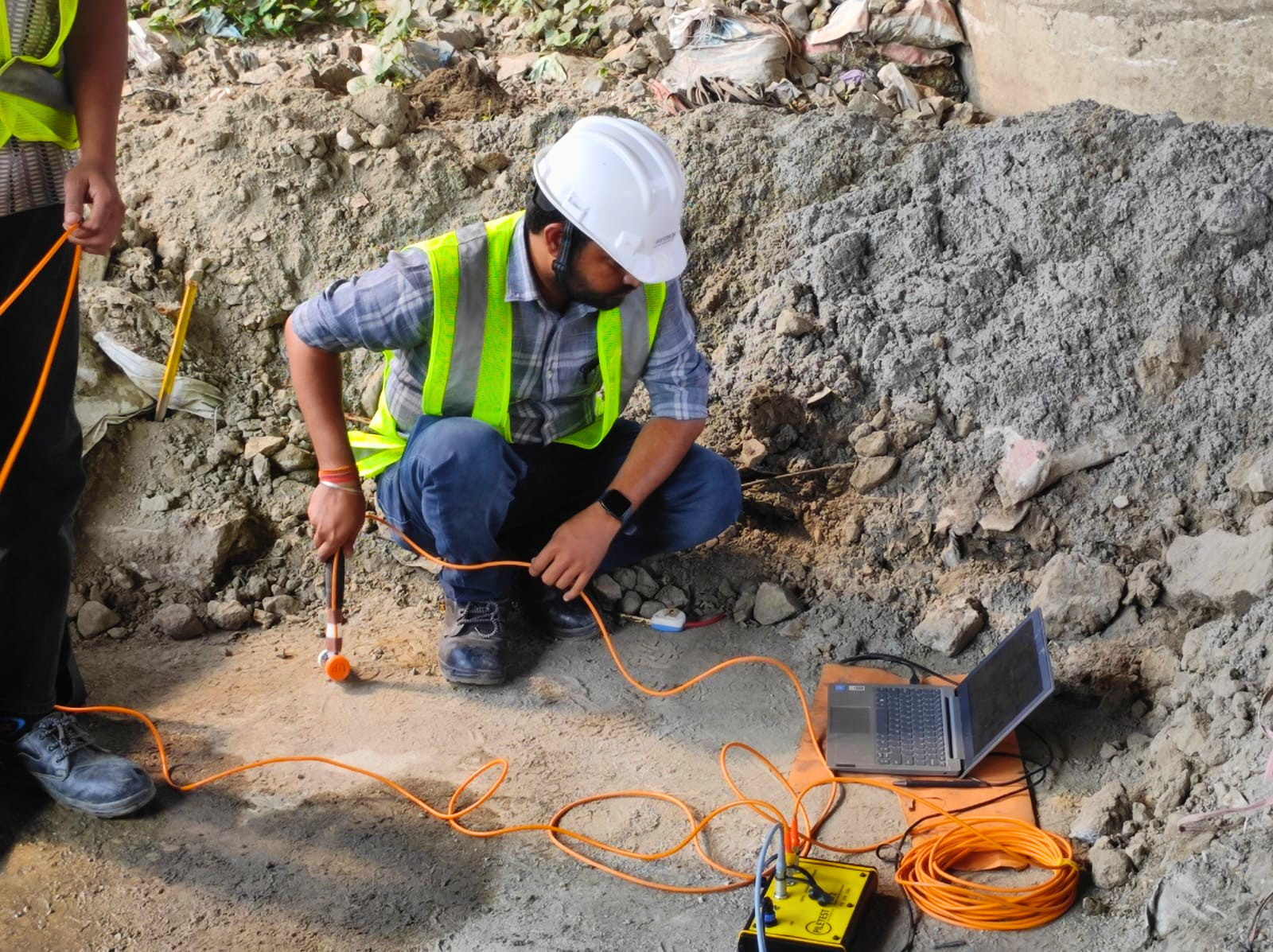
In the realm of civil engineering, ensuring the structural stability of buildings and infrastructure is paramount. Pile foundations play a crucial role in transmitting structural loads to deeper, more stable soil layers. However, verifying the length and integrity of these piles presents a significant challenge. Parallel Seismic Measurement (PSI) offers a sophisticated solution for this task, promoting accuracy, efficiency, and safety. This article delves into the methodology of PSI pile length verification, underscoring its importance and applications in modern engineering projects.
Understanding Parallel Seismic Measurement Technique
Parallel Seismic Measurement is a non-invasive testing method used to determine the length of foundation piles. It is especially useful in scenarios where the pile heads are inaccessible, making traditional testing methods impractical.
Key Features of PSI
- Non-destructive: Causes no damage to existing structures.
- Accurate: Provides precise measurements regardless of the pile’s material.
- Versatile: Suitable for various types of piles and environmental conditions.
This method involves generating seismic waves that travel along the pile, and a receiver placed in a nearby borehole detects the waves. The time it takes for the waves to travel from the source to the receiver helps determine the pile’s length. Discover expert strategies here.
Benefits of PSI Pile Length Verification
Opting for Parallel Seismic Measurement offers numerous advantages, making it a preferred choice for engineers and contractors.
Accuracy and Reliability
- Provides high accuracy in confirming pile lengths, crucial for structural integrity.
- Reduces the risk of construction defects related to foundation issues.
The reliability of PSI ensures that construction projects adhere to the specified design criteria, thereby enhancing the overall safety of the structure. Learn about our tailored solutions.
Efficiency and Cost-Effectiveness
- Minimizes the time required for pile testing compared to traditional methods.
- Reduces labor costs and the need for extensive site work.
By streamlining the testing process, PSI significantly cuts down on project timelines and budgets, which is a critical consideration for large-scale developments. Explore advanced guides and tips.
Applications of PSI in Construction and Engineering
PSI is not only beneficial for new construction projects but also plays a vital role in the assessment and maintenance of existing structures.
New Construction Projects
- Ensures compliance with engineering specifications before further construction.
- Facilitates the evaluation of pile performance under actual soil conditions.
Utilizing PSI in the initial phases of construction helps mitigate risks and prevents costly modifications later. Find out more about this approach.
Assessment of Existing Structures
- Determines the current condition and length of piles in older buildings.
- Assists in planning for retrofitting or strengthening activities.
For existing structures, PSI provides critical data that aids in maintenance planning, ensuring long-term stability and safety.
Conclusion
Parallel Seismic Measurement stands out as a cutting-edge technique in the field of pile length verification. Its ability to deliver precise, reliable, and cost-effective results makes it indispensable for both new and existing construction projects. By integrating PSI into engineering practices, the construction industry can enhance structural stability, ensuring safety and durability for future generations.