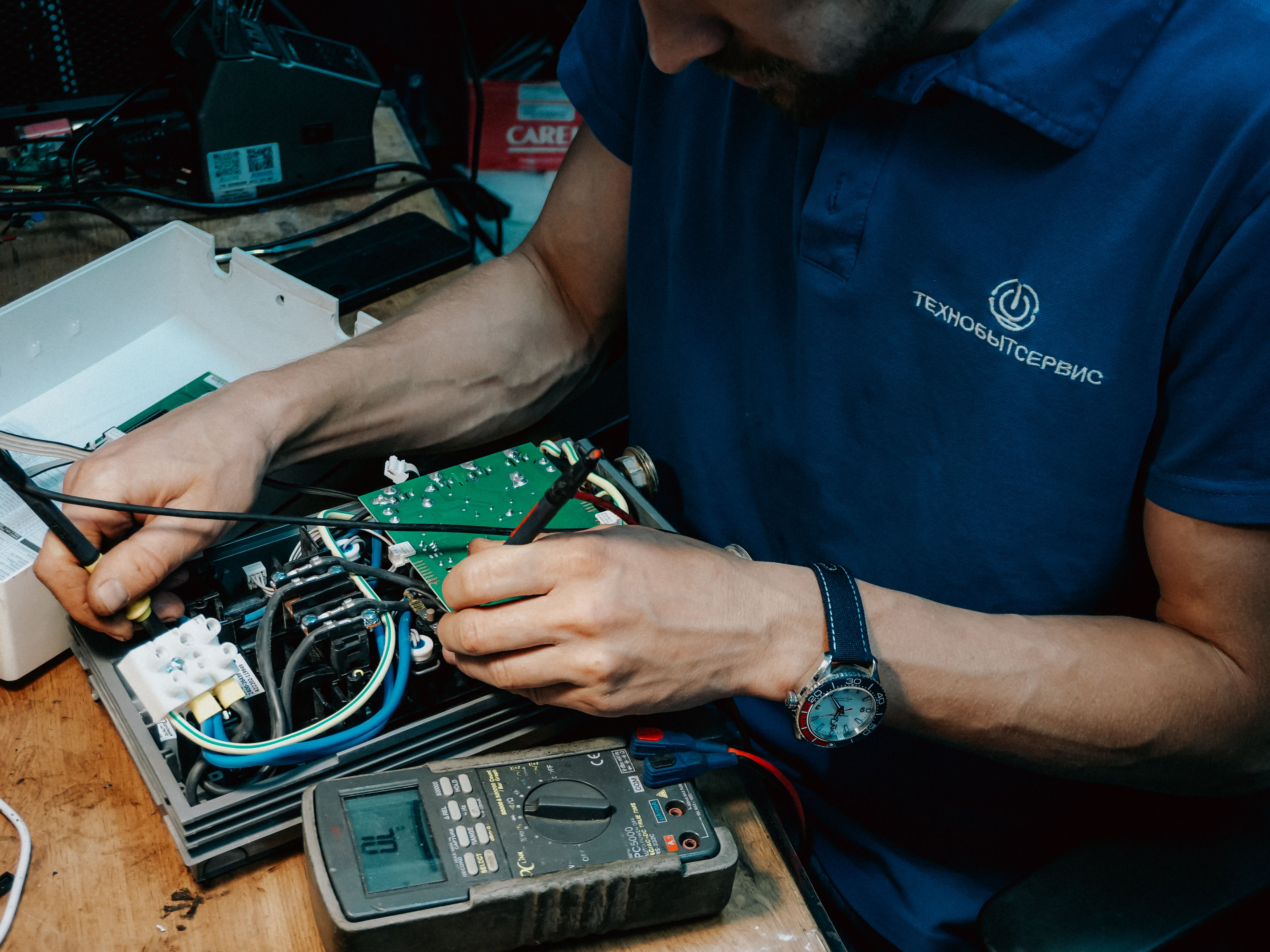
In the realm of electrical systems, ensuring the reliability and safety of medium voltage networks is paramount. Medium voltage electrical testing is a critical process that identifies potential issues before they escalate into costly failures. With the right approach and knowledge, facilities can maintain operational efficiency and safety standards. This article explores key tips and strategies to optimize medium voltage electrical testing.
Understanding Medium Voltage Electrical Testing
Medium voltage electrical testing involves a series of diagnostic procedures aimed at assessing the performance and integrity of electrical components operating between 1kV and 69kV. This range includes 5KV electrical testing and 15kV electrical testing, which are crucial for maintaining the safety and functionality of electrical systems.
Importance of Regular Testing
- Prevention of Failures: Regular testing helps identify potential faults before they cause system failures.
- Safety Assurance: Ensures that all electrical components are operating within safe parameters, reducing the risk of accidents.
- Compliance: Adheres to industry standards and regulations, such as those outlined by NETA electrical testing guidelines.
Essential Testing Techniques
Various techniques are employed in medium voltage electrical testing, each with its unique applications and benefits.
Insulation Resistance Testing
This method evaluates the integrity of insulation in cables and other components. By measuring the resistance, technicians can ascertain the condition of the insulation and identify potential weaknesses.
Partial Discharge Testing
Partial discharge tests are crucial for detecting defects in the insulation of high voltage equipment. This testing method is integral to high voltage electrical testing and can prevent catastrophic failures.
Best Practices for Effective Testing
Implementing best practices can significantly enhance the effectiveness of medium voltage electrical testing.
- Use of Advanced Tools: Leverage modern diagnostic tools to obtain accurate and reliable data.
- Regular Calibration: Ensure that all testing equipment is regularly calibrated to maintain accuracy.
- Skilled Personnel: Engage experienced technicians who are well-versed in medium voltage electrical testing techniques.
- Documentation: Maintain thorough records of all tests conducted, including results and any corrective actions taken.
Conclusion
Medium voltage electrical testing is an indispensable component of maintaining the integrity and safety of electrical systems. By understanding the key techniques and adhering to best practices, facilities can ensure reliable operations and prolong the lifespan of their electrical infrastructure. Regular testing not only prevents unexpected failures but also supports compliance with industry standards, safeguarding both equipment and personnel.