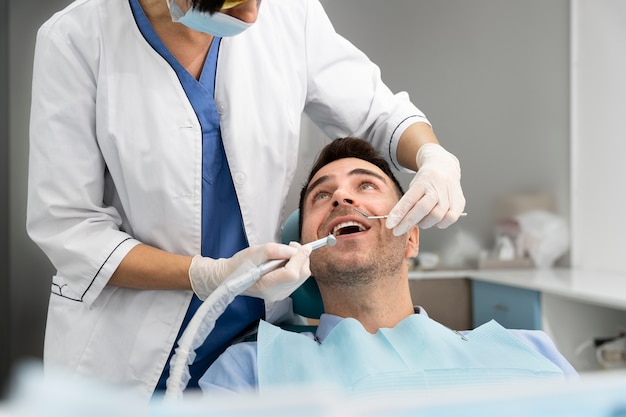
In today’s fast-paced world, maintaining oral health for every family member can be a challenging task. Personalized dental care services cater to the unique needs of each individual, ensuring comprehensive oral healthcare for the entire family. These services encompass preventive, restorative, and cosmetic dentistry, specifically designed to address the diverse requirements of both children and adults. With a focus on creating tailored treatment plans and fostering a comfortable environment, personalized dental care aims to build lasting relationships between patients and dental professionals, enhancing the overall dental experience.
Understanding Personalized Dental Care
Personalized dental care is a patient-centered approach that emphasizes customized treatment plans. This methodology takes into account individual dental histories, preferences, and specific oral health needs. By focusing on personalization, dental care providers can offer services that are more effective and satisfying for patients.
Key Components of Personalized Dental Care
- Tailored Treatment Plans: Each patient receives a unique treatment plan that addresses their specific needs and preferences.
- Comprehensive Family Care: Services cater to all age groups, from pediatric dentistry to geriatric dental care.
- Preventive Strategies: Emphasizes regular check-ups and cleanings to prevent dental issues before they arise. Read more about this topic.
- Advanced Technology: Utilizes the latest dental technologies for accurate diagnostics and effective treatments.
Benefits of Family-Oriented Dental Services
Family-oriented dental services offer numerous advantages, making it easier for families to manage their oral health care needs efficiently.
- Convenience: Scheduling appointments for all family members at the same location saves time and effort.
- Consistent Care: Having a single dental team understand the family’s dental history ensures consistent and reliable care.
- Child-Friendly Environment: Creating a welcoming atmosphere for children helps in reducing dental anxiety and promoting positive dental habits from an early age. Learn more in this detailed guide.
- Integrated Care: Comprehensive care plans that include preventive, restorative, and cosmetic services under one roof.
Choosing the Right Dental Care Provider
Selecting a dental care provider that offers personalized services can significantly impact the quality of care received by the family. Here are some factors to consider:
- Professional Qualifications: Ensure that the provider has experienced and well-qualified dental professionals.
- Range of Services: Look for a provider that offers a comprehensive range of services to meet all the family’s dental needs. Explore further insights here.
- Patient Reviews: While this article doesn’t reference specific reviews, checking online testimonials can offer insights into patient satisfaction.
- Technology Used: Ensure that the dental office utilizes up-to-date technology for efficient and effective treatment.
Long-Term Oral Health Goals
Formulating long-term oral health goals is essential for maintaining a healthy smile. Personalized care can assist in crafting a roadmap to achieve these objectives.
- Customized Preventive Care: Regular dental check-ups and cleanings tailored to individual needs.
- Patient Education: Educating patients about proper oral hygiene practices to prevent future dental issues. Find additional information here.
- Monitoring and Adjustments: Continuous monitoring and adjustments to treatment plans as needed to adapt to changing oral health conditions.
In conclusion, personalized dental care services play a vital role in ensuring optimal oral health for families. By choosing a provider that emphasizes customization and comprehensive care, families can enjoy the benefits of a healthy and beautiful smile for years to come. Emphasizing preventive care, utilizing advanced technology, and fostering a supportive environment are key elements that contribute to the success of personalized dental care. Understanding and implementing these aspects can lead to improved dental health outcomes and a more satisfying dental experience.