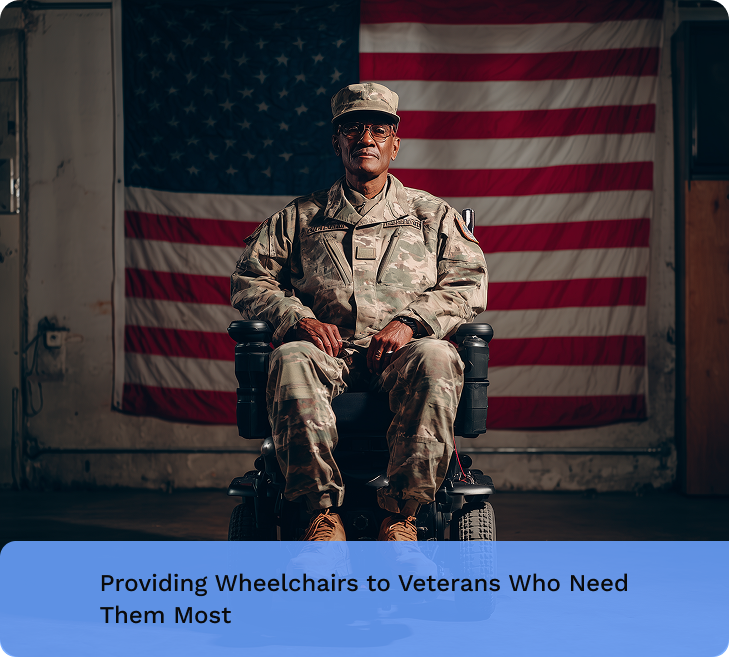
For many veterans, transitioning from military service back into civilian life can be a challenging process. The experiences and challenges faced during service often leave lasting impacts that require attention and care. This is where veteran rehabilitation services come into play, offering tailored support to help veterans restore their freedom and independence. By providing comprehensive assistance, these services aim to address the physical, mental, and emotional needs of veterans, ultimately enhancing their quality of life.
Understanding Veteran Rehabilitation Services
Veteran rehabilitation services are designed to assist former military personnel in overcoming barriers that may prevent them from leading fulfilling civilian lives. These services encompass a wide range of programs and resources, each tailored to address the unique needs of veterans. The primary goal is to facilitate a seamless transition from military to civilian life by providing support in various areas, including medical care, mental health, and vocational training.
Key Components of Rehabilitation Services
- Medical Care: Access to quality healthcare services is crucial for veterans dealing with physical injuries or chronic health conditions resulting from their service.
- Mental Health Support: Many veterans face mental health challenges such as PTSD, anxiety, and depression. Counseling and therapy services are essential in helping them manage these conditions.
- Vocational Training: To facilitate reintegration into the workforce, vocational rehabilitation programs offer training and education opportunities tailored to the interests and abilities of veterans.
- Social Integration: Building a supportive community and fostering social connections are vital for veterans to feel a sense of belonging in civilian life.
These components work together to create a comprehensive support system for veterans. Find additional information here.
The Impact of Rehabilitation on Veterans’ Lives
The positive impact of rehabilitation services on veterans’ lives cannot be overstated. By addressing the physical and mental health needs of veterans, these services play a crucial role in improving their overall well-being. Additionally, vocational training programs equip veterans with the skills necessary to gain meaningful employment, thereby enhancing their independence and financial stability.
Success Stories and Testimonials
While specific testimonials are beyond the scope of this article, numerous success stories highlight the transformative impact of rehabilitation services. Veterans who have engaged with these programs report improvements in their mental health, increased confidence, and a renewed sense of purpose. Learn more in this detailed guide.
Challenges and Opportunities in Veteran Rehabilitation
Despite the success of veteran rehabilitation services, several challenges remain. Limited funding and resources can hinder the availability and accessibility of these services. Additionally, overcoming the stigma associated with seeking mental health support remains a significant barrier for many veterans.
Addressing Challenges
- Increased Funding: Advocating for increased funding can enhance the reach and effectiveness of rehabilitation programs.
- Awareness Campaigns: Raising awareness about the benefits of mental health support can help reduce stigma and encourage more veterans to seek help.
- Community Collaboration: Collaboration between government agencies, non-profits, and community organizations can expand the network of support available to veterans.
Addressing these challenges requires a concerted effort from all stakeholders involved. Explore further insights here.
Conclusion
Veteran rehabilitation services are indispensable in supporting former military personnel as they transition to civilian life. By offering comprehensive care that addresses physical, mental, and vocational needs, these services empower veterans to reclaim their independence and improve their quality of life. Continued efforts to enhance these programs and address existing challenges are essential for ensuring that all veterans receive the support they deserve. Read more about this topic.