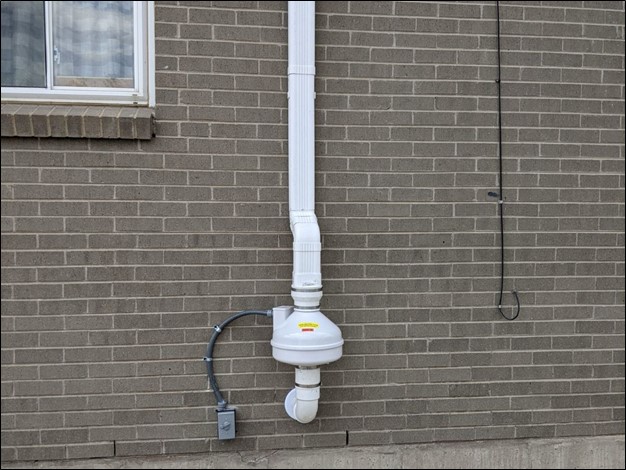
Radon is a naturally occurring radioactive gas that can pose significant health risks if present in high concentrations within homes. In Colorado, the geographical and geological conditions often lead to elevated radon levels, making testing an essential consideration for homeowners. Understanding the importance of radon testing and mitigation can safeguard your family’s health and ensure your home”?s safety. This article delves into why radon testing is crucial in Colorado, how it impacts homeowners, and the steps to take for effective mitigation.
Understanding Radon and Its Risks
Radon is colorless, odorless, and tasteless, which means it cannot be detected by human senses. The gas is produced from the natural breakdown of uranium in soil, rock, and water. As it seeps into the air, it can accumulate in homes, particularly in lower areas like basements and crawl spaces.
- Long-term exposure to radon gas is the second leading cause of lung cancer after smoking.
- According to the Environmental Protection Agency (EPA), radon levels above 4 picocuries per liter (pCi/L) are considered hazardous and warrant mitigation.
- In Colorado, approximately 50% of homes have radon levels exceeding this threshold, highlighting the need for regular testing.
The Importance of Radon Testing in Colorado
Given the prevalent geological conditions in Colorado, regular radon testing is not just recommended but essential. Testing is the only way to determine if your home has high radon levels. Homeowners should consider radon testing under the following circumstances:
- Before purchasing a new home, to ensure a safe living environment.
- After major renovations, as structural changes can alter radon entry points.
- Annually, as part of routine home maintenance.
For those interested in learning more about testing techniques and tailored solutions, find out more about this approach.
Steps to Take If Radon Levels Are High
If testing reveals high radon levels, there are several steps homeowners can take to reduce the risk:
Immediate Actions
- Improve ventilation in the basement and crawl spaces to reduce radon concentration.
- Seal cracks in floors and walls to prevent radon entry.
Long-term Mitigation Strategies
Long-term solutions often require professional intervention. Discover expert strategies here that may include:
- Installing a sub-slab depressurization system to vent radon gas safely outside.
- Utilizing a radon sump system in homes with high radon levels.
These methods are effective and essential for maintaining a healthy indoor environment. Homeowners should learn about our tailored solutions to ensure comprehensive mitigation.
Choosing the Right Radon Testing and Mitigation Services
Selecting professional services for radon testing and mitigation is crucial to ensuring accuracy and effectiveness. When choosing a service provider, consider the following:
- Certification and experience in radon testing and mitigation.
- Use of advanced equipment and techniques for reliable results.
- Positive customer reviews and transparent pricing.
Homeowners can explore advanced guides and tips to make informed decisions about radon testing and mitigation services.
In conclusion, safeguarding your home from radon involves understanding the risks, conducting regular testing, and implementing effective mitigation strategies. By staying informed and taking proactive measures, Colorado homeowners can protect their families and enhance the safety of their living environments.