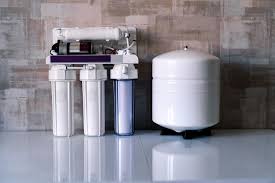
In today’s world, accessing clean and safe drinking water has become a significant concern. Various contaminants and pollutants in water sources pose a threat to human health, making it essential to adopt efficient water purification systems. A reverse osmosis (RO) system is one such technology that has gained popularity in recent years for its effectiveness in removing impurities from water. This article delves into the benefits of a reverse osmosis system for clean drinking water, providing insights into its working mechanism, advantages, and the importance of maintenance.
How Reverse Osmosis Systems Work
A reverse osmosis system works by applying pressure to force water through a semi-permeable membrane, which filters out impurities and contaminants. The process involves several stages, including pre-filtration, reverse osmosis, and post-filtration. The system’s effectiveness lies in its ability to remove dissolved solids, bacteria, viruses, and other contaminants from water, making it safe for consumption. For a more detailed explanation of the process, read more about this topic.
Benefits of a Reverse Osmosis System
The benefits of a reverse osmosis system are numerous, making it an attractive option for households and businesses alike. Some of the key advantages include:
- Effective removal of impurities: Reverse osmosis systems can remove up to 99% of dissolved solids, making them an effective solution for water purification.
- Improved taste and odor: By removing impurities, reverse osmosis systems can improve the taste and odor of water, making it more palatable.
- Reduced risk of waterborne diseases: Reverse osmosis systems can remove bacteria, viruses, and other contaminants that can cause waterborne diseases.
- Long-lasting: Reverse osmosis systems are designed to last for many years, making them a cost-effective solution in the long run.
Maintenance and Replacement of Parts
While reverse osmosis systems are designed to be low-maintenance, regular maintenance is essential to ensure their effectiveness. This includes replacing filters and membranes as recommended by the manufacturer. Failing to do so can lead to a decrease in the system’s performance and effectiveness. To learn more about the maintenance and replacement of parts, explore further insights here.
Conclusion
In conclusion, a reverse osmosis system is an effective solution for clean drinking water. Its ability to remove impurities, improve taste and odor, and reduce the risk of waterborne diseases make it an attractive option for households and businesses alike. By understanding the working mechanism, benefits, and maintenance requirements of a reverse osmosis system, individuals can make informed decisions about their water purification needs. For additional information on this topic, find additional information here.