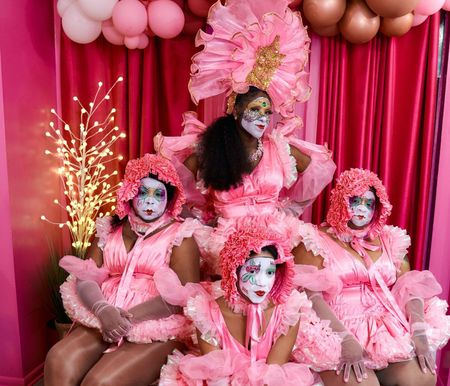
The vibrant city of New Orleans is renowned for its rich cultural tapestry, woven with threads of music, food, and art. Amongst its many traditions, the phenomenon of the Baby Doll Ladies stands out as a unique aspect of the city’s cultural heritage. Originating in the early 20th century, this tradition embodies a spirit of empowerment and celebration, reflecting the dynamic history of New Orleans itself. The Baby Doll Ladies have played a significant role in the Mardi Gras festivities, capturing the imaginations of locals and tourists alike with their elaborate costumes and lively performances. This article delves into the colorful history and cultural significance of the New Orleans Baby Doll Ladies.
The Origin of Baby Doll Ladies
The tradition of the Baby Doll Ladies began in the early 1900s, during a time of racial segregation and social upheaval. African American women in New Orleans sought ways to express their cultural identity and assert their independence. The Baby Doll tradition emerged as a form of resistance and self-expression, offering a space where women could reclaim their narratives and celebrate their heritage.
- The Baby Doll Ladies first appeared around 1912 during Mardi Gras celebrations.
- They were known for their distinctive costumes resembling children’s clothing, complete with bonnets and bloomers.
- This group was largely composed of working-class women who used the tradition to challenge social norms.
For those interested in the history and impact of these remarkable women, find out more about this approach to understanding New Orleans’ cultural landscape.
The Evolution of the Tradition
Over the decades, the Baby Doll tradition has evolved, maintaining its core values while adapting to contemporary influences. Today, the Baby Doll Ladies continue to be a vibrant part of New Orleans’ cultural scene, with organizations dedicated to preserving and promoting this heritage.
Modern Celebrations
In modern times, the Baby Doll Ladies are a staple in New Orleans’ Mardi Gras parades and other cultural events. Their performances are not only a celebration of heritage but also an opportunity for community engagement and education.
- Contemporary groups often include women of all ages and backgrounds.
- They participate in various events throughout the year, showcasing their artistry and cultural significance.
- The costumes have become more elaborate, incorporating modern elements while retaining traditional features.
To learn about how these traditions are preserved and promoted today, explore advanced guides and tips on celebrating New Orleans culture.
Cultural Impact and Recognition
The Baby Doll tradition has not only survived but thrived, gaining recognition for its cultural and historical significance. It has provided a platform for African American women to share their stories and contribute to the rich tapestry of New Orleans culture.
Empowerment and Identity
At its core, the Baby Doll tradition is about empowerment and identity. It offers a space for women to express themselves and their heritage, creating a sense of community and belonging.
- The Baby Doll Ladies are seen as cultural ambassadors for New Orleans.
- They have been featured in various media, highlighting their contributions to the city’s cultural heritage.
- The tradition is a testament to the resilience and creativity of African American women in the face of adversity.
For those wishing to delve deeper into the significance of this cultural practice, discover expert strategies here for engaging with New Orleans’ heritage.
Conclusion
The Baby Doll Ladies of New Orleans represent a rich and dynamic tradition that continues to captivate and inspire. Through their colorful costumes and spirited performances, they tell a story of resilience, empowerment, and cultural pride. As stewards of a unique cultural legacy, the Baby Doll Ladies play a vital role in the tapestry of New Orleans, ensuring that their vibrant history is celebrated for generations to come. For more insights into this fascinating tradition, learn about our tailored solutions for exploring New Orleans culture.