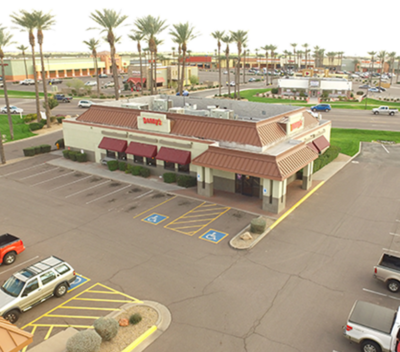
Real estate development firms play a critical role in the formation and evolution of communities worldwide. These entities are responsible for transforming landscapes by creating residential, commercial, and industrial spaces that meet the needs of growing populations. As urbanization continues to rise, the influence of these firms becomes increasingly significant. They not only contribute to the economic development of regions but also impact social and cultural dynamics. The decisions made by real estate developers can shape the quality of life for community members, making their role pivotal in sustainable urban planning.
Contributions to Urban Development
Real estate development firms contribute to urban development in various ways. They are instrumental in:
- Designing and constructing infrastructure that supports community needs.
- Facilitating economic growth by creating jobs and attracting businesses.
- Enhancing the aesthetic appeal and functionality of urban spaces.
These contributions are critical for the sustainable growth of cities. For more details on the impact of urban development, read more about this topic.
Impact on Community Culture and Lifestyle
The influence of real estate development extends beyond physical structures. It also affects the culture and lifestyle of communities. Developers often incorporate local cultural elements into their projects, which helps in:
- Preserving community heritage and identity.
- Promoting cultural diversity and inclusivity.
- Creating spaces that encourage social interaction and cohesion.
By understanding and integrating these cultural aspects, developers can create vibrant and harmonious communities. Learn more in this detailed guide about the relationship between development and culture.
Environmental Considerations
Sustainability Practices
In recent years, there has been a growing emphasis on the environmental responsibilities of real estate developers. Sustainable practices are now a key consideration in development projects, including:
- Utilizing eco-friendly materials and construction methods.
- Implementing energy-efficient designs and technologies.
- Preserving natural resources and minimizing ecological footprints.
These practices not only benefit the environment but also enhance the long-term value of properties. Explore further insights here on sustainable development practices in real estate.
Economic Impacts
Real estate development firms significantly impact local economies. Their projects often lead to:
- Increased property values and tax revenues.
- Job creation during and after construction phases.
- Stimulation of local businesses and services.
These economic benefits can catalyze further investment and development in the area, leading to a cycle of growth and prosperity. Find additional information here on the economic impacts of real estate development.
Challenges and Future Directions
Despite the positive contributions, real estate development firms face several challenges. These include regulatory hurdles, market volatility, and the need to balance development with environmental conservation. Moving forward, the industry must focus on:
- Innovating to meet the demands of an evolving market.
- Engaging with community stakeholders to ensure inclusive growth.
- Adapting to technological advancements and changing consumer preferences.
Addressing these challenges will require collaboration between developers, government entities, and community groups. For a comprehensive understanding of future trends in real estate development, read more about this topic.